About Touro University
The financial picture tells a practical story for middle-class families. Students pay an average net price of $26,556 after aid, while graduates earn a median of $53,419 ten years after graduation. The typical graduate leaves with $15,547 in debt and monthly loan payments of $165. Only 32% of students receive federal financial aid, suggesting many families can handle the costs without extensive borrowing. The relatively low debt burden makes the investment more manageable than at many private institutions.
Women outnumber men, comprising 69% of the student body. The campus houses just 403 students in residence halls, reflecting the urban commuter culture common to New York City schools. With 85% of freshmen returning for sophomore year, most students find their academic fit. The 88% employment rate shows graduates successfully transition to careers after graduation.
Academics & Faculty
Source: College Scorecard / U.S. Department of Education
- Student-to-Faculty Ratio
- 10:1
- Full-Time Faculty
- 40.4%
- Graduation Rate (4-year)
- 66.4%
- Graduation Rate (6-year)
- 65.0%
- Retention Rate
- 86.0%
- Median Earnings (10 years)
- $53,419
- Carnegie Classification
- Doctoral/Professional University
Popular Programs by Earnings
| Program | Level | Median Earnings |
|---|---|---|
| Allied Health Diagnostic, Intervention, and Treatment Professions. | Master | $109,587 |
| Educational Administration and Supervision. | Master | $97,367 |
| Pharmacy, Pharmaceutical Sciences, and Administration. | Doctoral | $89,672 |
| Teaching English or French as a Second or Foreign Language. | Certificate | $80,718 |
| Registered Nursing, Nursing Administration, Nursing Research and Clinical Nursing. | Bachelor | $78,343 |
| Teaching English or French as a Second or Foreign Language. | Master | $68,618 |
| Teacher Education and Professional Development, Specific Subject Areas. | Master | $67,995 |
| Student Counseling and Personnel Services. | Master | $67,660 |
| Bilingual, Multilingual, and Multicultural Education. | Certificate | $64,493 |
| Accounting and Related Services. | Bachelor | $62,154 |
Campus Life
Students bundle up for harsh winters with snow, ice, and temperatures often below freezing from December through March. The urban campus means weekends revolve around the city itself rather than traditional college activities. With just 15 total athletes competing in one varsity sport, school spirit comes from academic achievements rather than games. The 68% female student body creates a different active than typical universities.
Daily life centers on rigorous health sciences and professional programs rather than campus traditions. Students grab kosher meals between classes and often study in small groups, benefiting from the 10:1 student-faculty ratio. The semester system keeps pace intense, preparing students for competitive graduate programs and professional schools.
- Setting
- City-Large
- Housing Capacity
- 403 beds
- Calendar System
- Semester
- Study Abroad
- Available
- Founded
- 1970
Campus Safety (2023)
8 total reported incidents. Source: Clery Act / U.S. Department of Education
| Offense | On Campus | Residential | Noncampus | Public Property |
|---|---|---|---|---|
| Aggravated Assault | 0 | 0 | 1 | 2 |
| Dating Violence | 1 | 1 | 0 | 0 |
| Burglary | 1 | 0 | 0 | 0 |
| Motor Vehicle Theft | 0 | 0 | 0 | 1 |
| Rape | 1 | 0 | 0 | 0 |
Climate & Weather
- January Avg
- 27°–39°F
- July Avg
- 70°–84°F
- Annual Precipitation
- 49.5"
- Annual Snowfall
- 29.8"
Student Demographics
- Men
- 31.5%
- Women
- 68.5%
- White
- 54.1%
- Black
- 13.4%
- Hispanic
- 11.3%
- Asian
- 2.6%
- In-State Students
- 80.3%
- Pell Grant Recipients
- 32.3%
Location
- Address
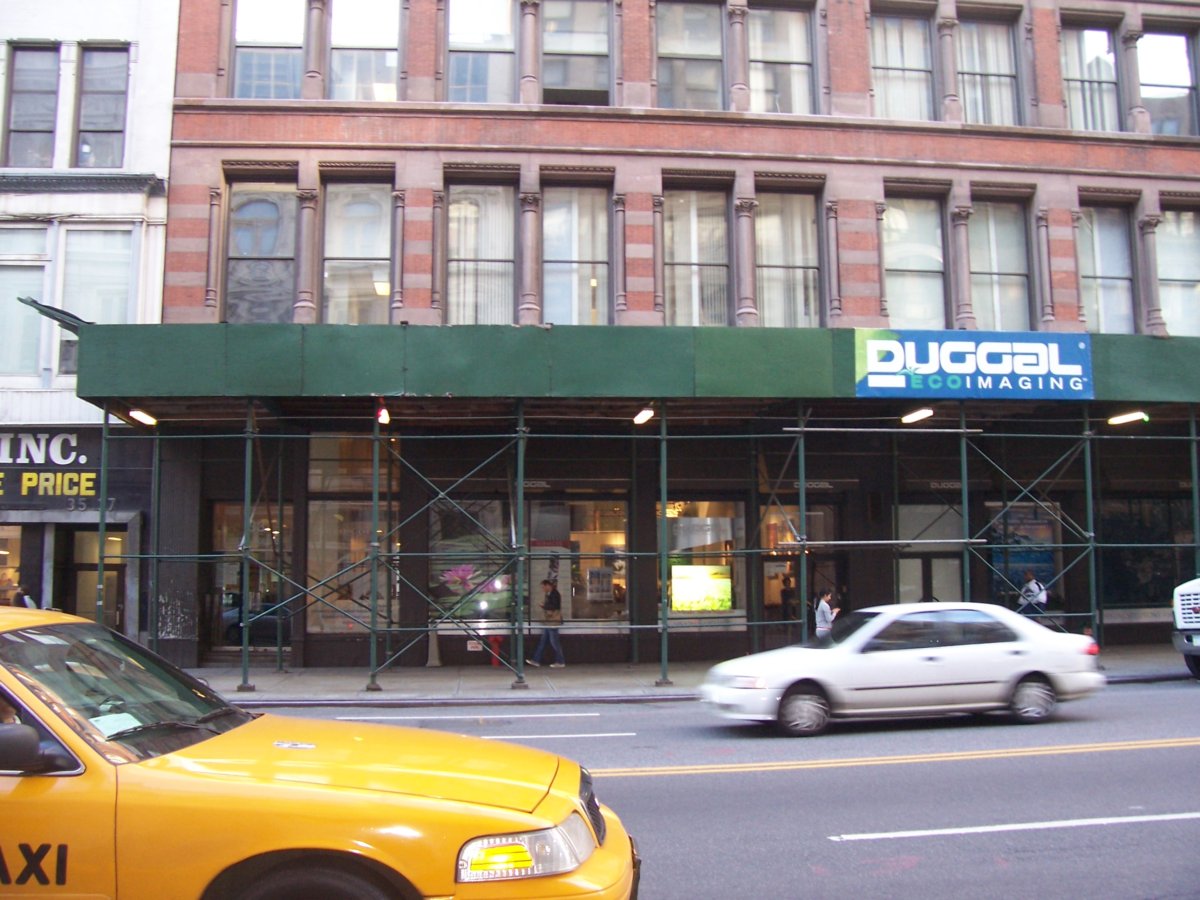
- New York, New York 10036

After College
Source: College Scorecard / U.S. Department of Education
- Median Earnings (10 years)
- $53,419
- Median Earnings (5 years)
- $58,185
- Mean Earnings (6 years after entry)
- $40,600
- Loan Repayment Rate
- 48.3%
- Monthly Loan Payment
- $165/mo
- Median Debt at Graduation
- $15,547
Frequently Asked Questions
What is the acceptance rate at Touro University?
Touro University accepts 71.31% of applicants with an average SAT score of 1324. This Jewish-sponsored institution focuses heavily on health sciences, law, and education programs, making it relatively accessible for students interested in these professional fields.
How much does Touro University cost after financial aid?
The average net price at Touro University is $26,556, with tuition set at $21,810 for all students regardless of residency. About 32% of students receive Pell Grants, and graduates typically leave with a median debt of just $15,547.
What is the student-faculty ratio at Touro University?
Touro University maintains a 10:1 student-faculty ratio across its 4,004 enrolled students. The university emphasizes small class sizes to support its professional preparation programs in health sciences and other career-focused disciplines.
What are the career outcomes for Touro University graduates?
Touro University graduates earn a median salary of $53,419 ten years after graduation, with an employment rate of 88.8%. The 65% six-year graduation rate reflects the demanding nature of the university's professional programs.
Where do most Touro University students come from?
About 80% of Touro University's students are from New York state, with the student body being 68.53% female. The university serves a diverse population with 54% white students, 13% Black students, and 11% Hispanic students in its urban New York setting.
Does Touro University have a strong athletics program?
Touro University fields just one varsity sport with only 15 total athletes competing as the Bulls. The university allocates no athletic scholarships, reflecting its primary focus on academic and professional preparation rather than competitive sports.