
About Tri-County Community College
The financial picture here makes sense for students watching their budgets. In-state students pay $2,363 in tuition, and the average net price after aid comes to $4,584. Graduates earn a median of $32,232 ten years after starting college, which represents solid career progress for a two-year degree. Only 29.84% of students receive financial aid, suggesting many can afford the low tuition without borrowing. The federal loan rate sits at 0.00%, meaning students typically graduate debt-free.
The student body is 63.45% women and 83.22% white, reflecting the local Appalachian community it serves. Nearly all students (97.06%) come from North Carolina. The 53.60% graduation rate within six years is respectable for a rural community college, and the 90.1% employment rate shows graduates find work in the region's economy.
Academics & Faculty
Source: College Scorecard / U.S. Department of Education
- Student-to-Faculty Ratio
- 14:1
- Full-Time Faculty
- 23.8%
- Graduation Rate (6-year)
- 53.6%
- Median Earnings (10 years)
- $32,232
Popular Programs by Earnings
| Program | Level | Median Earnings |
|---|---|---|
| Registered Nursing, Nursing Administration, Nursing Research and Clinical Nursing. | Associate | $47,846 |
| Precision Metal Working. | Certificate | $21,964 |
| Allied Health and Medical Assisting Services. | Associate | $21,508 |
| Mental and Social Health Services and Allied Professions. | Associate | $21,052 |
| Liberal Arts and Sciences, General Studies and Humanities. | Associate | $16,580 |
Campus Life
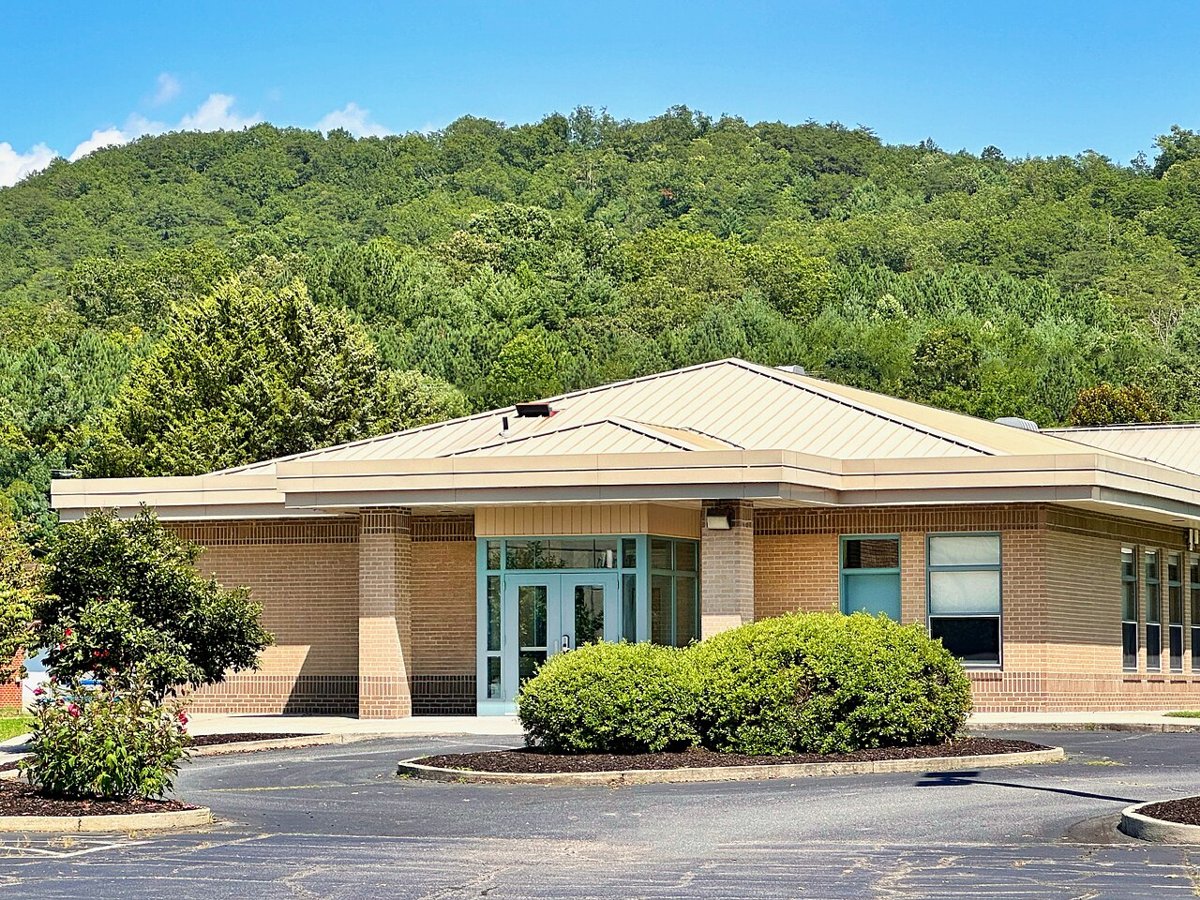
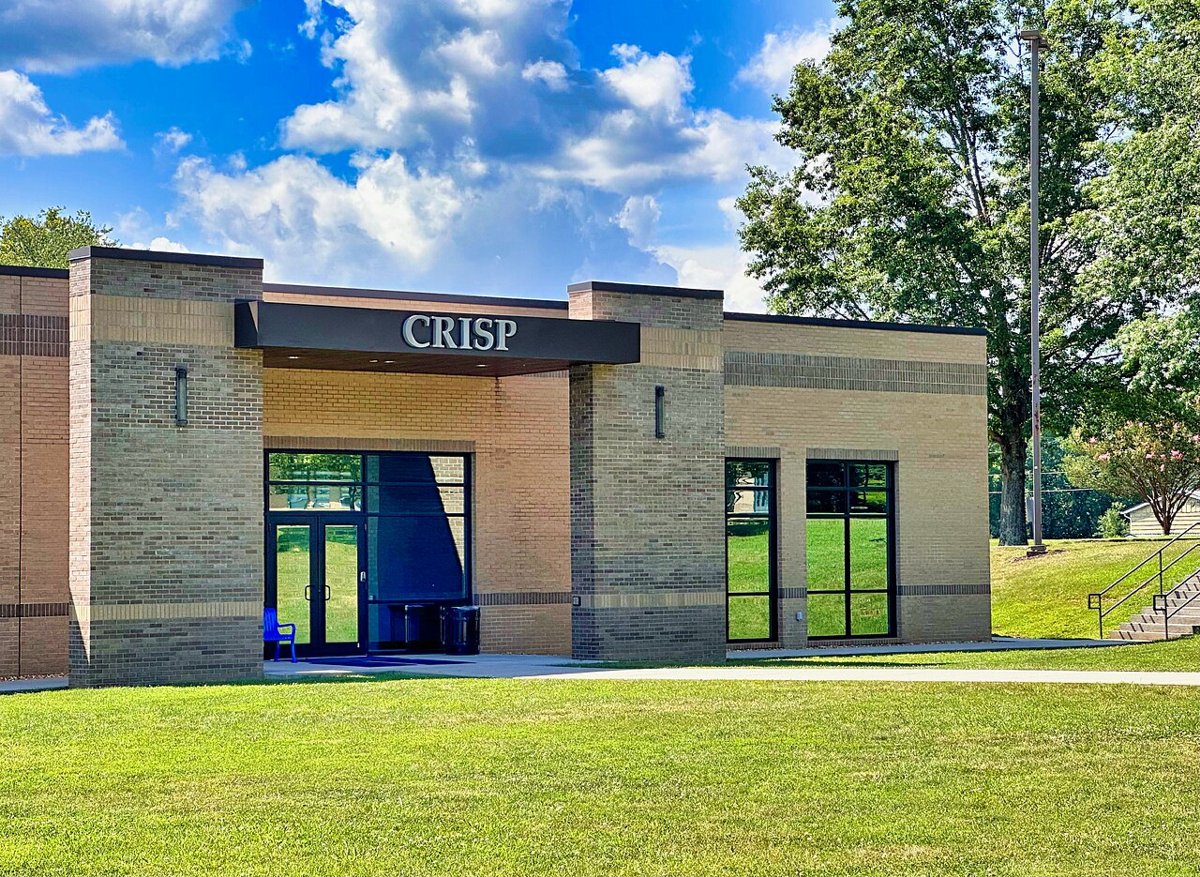
As a community college, there's no on-campus housing, which means most of your 97% in-state classmates commute from the surrounding rural counties. With 63% women and a student-faculty ratio of 14:1, classes feel more like small seminars where professors know your name. Weekends often involve outdoor activities like hiking the nearby trails or fishing, since Murphy offers access to mountain recreation but limited nightlife. The campus culture focuses on practical career preparation rather than traditional college social scenes. Students typically work part-time jobs while attending classes, and many are older adults returning to school or starting technical programs that connect directly to local employment opportunities.
- Setting
- Rural-Remote
- Calendar System
- Semester
- Founded
- 1964
Campus Safety (2023)
No reported Clery Act crimes in 2023.
Climate & Weather
- January Avg
- 25°–49°F
- July Avg
- 63°–86°F
- Annual Precipitation
- 57.5"
- Annual Snowfall
- -773.0"
Student Demographics
- Men
- 36.6%
- Women
- 63.5%
- White
- 83.2%
- Black
- 2.8%
- Hispanic
- 7.8%
- Asian
- 0.9%
- In-State Students
- 97.1%
- Pell Grant Recipients
- 29.8%
Location
- Address
- Murphy, North Carolina 28906
After College
Source: College Scorecard / U.S. Department of Education
- Median Earnings (10 years)
- $32,232
- Median Earnings (5 years)
- $34,631
- Mean Earnings (6 years after entry)
- $23,500
- Loan Repayment Rate
- 31.0%
Frequently Asked Questions
What are the admission requirements at Tri-County Community College?
Tri-County Community College maintains an open enrollment policy typical of community colleges, welcoming students regardless of academic background. With just 435 students enrolled, the college serves as an accessible entry point for higher education in rural western North Carolina. The small size allows for personalized attention during the admissions process.
How much does Tri-County Community College cost after financial aid?
Students pay an average net price of $4,584 annually, making this one of the most affordable college options in North Carolina. In-state tuition starts at just $2,363, while families earning under $30,000 typically pay around $4,190 after aid. Only 29.84% of students receive Pell Grants, reflecting the college's low baseline costs.
What is the student-faculty ratio at Tri-County Community College?
The college maintains a 14:1 student-faculty ratio, ensuring small class sizes in this intimate mountain setting. With women making up 63.45% of the student body, the college has developed strong programs in healthcare and human services. The rural-remote location means students often form close relationships with both faculty and peers.
What are the job prospects after graduating from Tri-County Community College?
Graduates achieve a 90.1% employment rate, reflecting strong connections with local employers in the Appalachian region. The median earnings of $32,232 ten years after graduation align with the rural economy's wage structure. However, the 53.60% six-year graduation rate indicates many students take longer to complete their programs while balancing work and family obligations.
Where is Tri-County Community College located and what is campus life like?
The college sits in Murphy, North Carolina, deep in the Appalachian Mountains near the Georgia and Tennessee borders. With 97.06% of students coming from in-state, the campus serves as a local center for residents seeking career training and transfer opportunities. The rural-remote setting offers outdoor recreation but limited urban amenities.
Does Tri-County Community College offer good value for career training?
The college specializes in workforce development for the rural mountain economy, with 83.22% of students being white and reflecting the local demographic. Founded in 1964, it has built strong partnerships with regional healthcare systems and manufacturing employers. The zero federal loan rate indicates most students avoid debt, though the 30.99% loan repayment rate suggests some graduates face financial challenges.
Similar Schools
Martin Community College
Williamston, North Carolina
Mayland Community College
Spruce Pine, North Carolina

Halifax Community College
Weldon, North Carolina
McDowell Technical Community College
Marion, North Carolina

Pamlico Community College
Grantsboro, North Carolina
Roanoke-Chowan Community College
Ahoskie, North Carolina