About University of Alabama at Birmingham
Students pay an average net price of $17,727 after financial aid, making this research university surprisingly affordable for the career outcomes it delivers. Graduates earn a median salary of $54,501 ten years after graduation, while carrying typical debt loads of $22,300. The 95.5% employment rate suggests UAB's career-focused programs connect well with Alabama's job market. Monthly loan payments average just $236, manageable given the earning potential.
The student body skews heavily female at 62.6%, reflecting the university's strength in nursing and health sciences. About 82% of students come from Alabama, creating a tight-knit community feel despite the urban campus. The Blazers compete in 17 Division I sports with over $8 million in athletic scholarships, though UAB is better known for producing healthcare professionals than star athletes.
Academics & Faculty
Source: College Scorecard / U.S. Department of Education
- Student-to-Faculty Ratio
- 18:1
- Full-Time Faculty
- 75.8%
- Graduation Rate (4-year)
- 63.5%
- Graduation Rate (6-year)
- 62.4%
- Retention Rate
- 82.0%
- Median Earnings (10 years)
- $54,501
- Carnegie Classification
- Doctoral University (R1)
Popular Programs by Earnings
| Program | Level | Median Earnings |
|---|---|---|
| Advanced/Graduate Dentistry and Oral Sciences. | Certificate | $169,894 |
| Registered Nursing, Nursing Administration, Nursing Research and Clinical Nursing. | Doctoral | $130,034 |
| Systems Science and Theory. | Master | $122,038 |
| Dentistry. | Doctoral | $111,769 |
| Allied Health Diagnostic, Intervention, and Treatment Professions. | Master | $99,737 |
| Optometry. | Doctoral | $96,457 |
| Registered Nursing, Nursing Administration, Nursing Research and Clinical Nursing. | Master | $95,215 |
| Health and Medical Administrative Services. | Master | $89,564 |
| Engineering, General. | Master | $88,820 |
| Educational Administration and Supervision. | Doctoral | $88,506 |
Campus Life
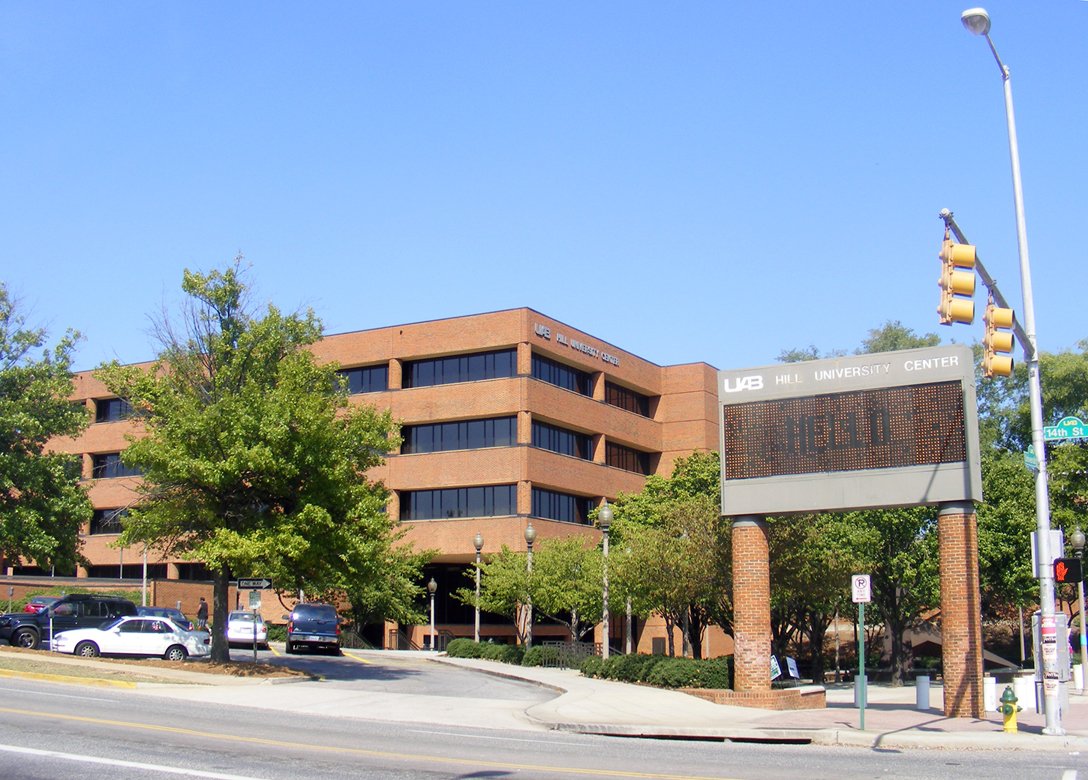
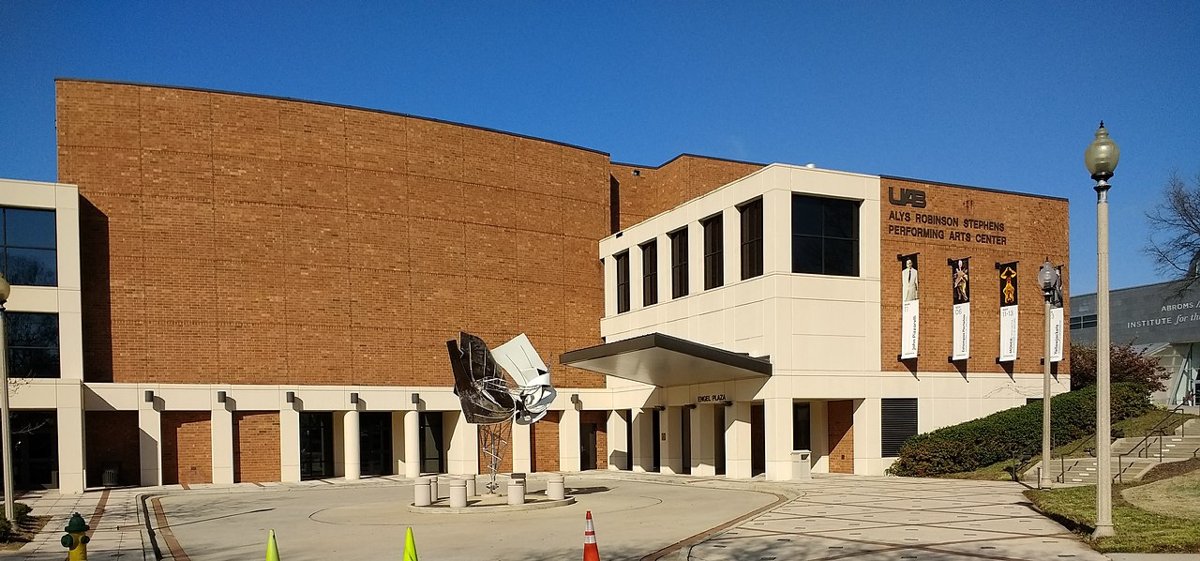
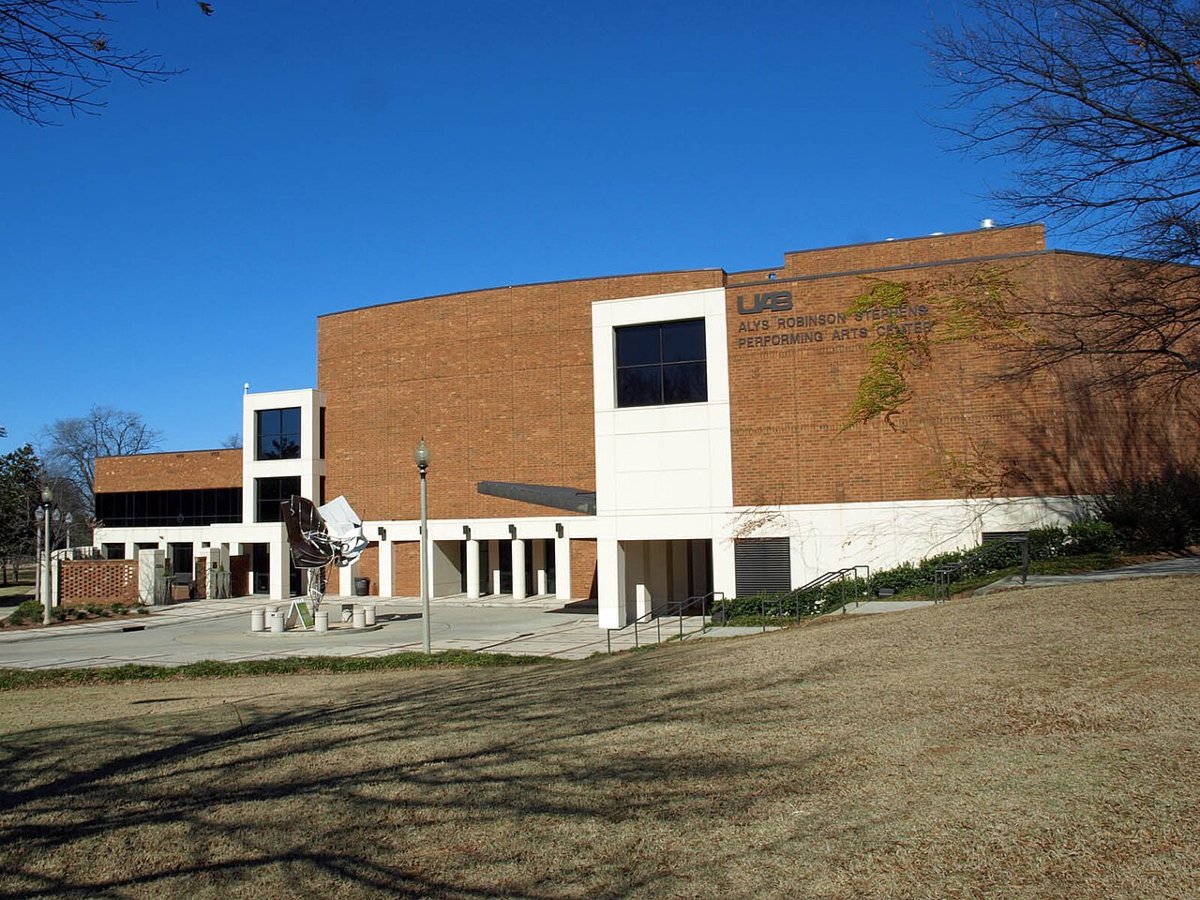
The medical district dominates campus life since UAB operates Alabama's top teaching hospital. Pre-med students crowd the library during finals while nursing majors practice in state-of-the-art simulation labs. Students often grab coffee between the hospital and academic buildings, where you'll see medical residents in scrubs mixed with undergraduates. Weekend options include Birmingham's revitalized downtown scene, UAB Blazers basketball games, and nearby hiking at Oak Mountain State Park. The 81.95% retention rate reflects students who appreciate the urban setting and strong health sciences programs, though the commuter culture means weekends can feel quiet on campus.
- Setting
- City-Midsize
- Housing Capacity
- 3,480 beds
- Calendar System
- Semester
- Study Abroad
- Available
- Founded
- 1969
Campus Safety (2023)
131 total reported incidents. Source: Clery Act / U.S. Department of Education
| Offense | On Campus | Residential | Noncampus | Public Property |
|---|---|---|---|---|
| Motor Vehicle Theft | 26 | 1 | 0 | 3 |
| Fondling | 25 | 3 | 0 | 0 |
| Burglary | 14 | 2 | 0 | 0 |
| Rape | 8 | 6 | 0 | 0 |
| Domestic Violence | 13 | 0 | 0 | 0 |
| Dating Violence | 8 | 3 | 0 | 1 |
| Aggravated Assault | 9 | 0 | 0 | 2 |
| Stalking | 3 | 2 | 0 | 0 |
| Robbery | 0 | 0 | 0 | 2 |
Climate & Weather
- January Avg
- 34°–54°F
- July Avg
- 72°–91°F
- Annual Precipitation
- 56.6"
- Annual Snowfall
- 1.4"
Student Demographics
- Men
- 37.4%
- Women
- 62.6%
- White
- 48.3%
- Black
- 26.6%
- Hispanic
- 7.8%
- Asian
- 9.2%
- In-State Students
- 81.9%
- Pell Grant Recipients
- 33.2%
Location
- Address
- Birmingham, Alabama 35294-0110
After College
Source: College Scorecard / U.S. Department of Education
- Median Earnings (10 years)
- $54,501
- Median Earnings (5 years)
- $60,738
- Mean Earnings (6 years after entry)
- $39,400
- Loan Repayment Rate
- 51.4%
- Monthly Loan Payment
- $236/mo
- Median Debt at Graduation
- $22,300
Frequently Asked Questions
What is the acceptance rate at University of Alabama at Birmingham?
UAB accepts 86.68% of applicants with an average SAT score of 1305. The relatively high acceptance rate reflects the university's mission as a public research institution serving Alabama students, with 81.85% of students coming from in-state.
How much does University of Alabama at Birmingham cost after financial aid?
Students pay an average net price of $17,727 annually at UAB. In-state tuition runs $8,832 while out-of-state students pay $21,864, making it affordable for a research university with strong medical programs.
What is University of Alabama at Birmingham known for academically?
UAB operates Alabama's primary academic medical center and is well-known for its medical school and hospital system. The university maintains an 18:1 student-faculty ratio across its programs, supporting its reputation as a major research institution.
What are the graduation outcomes at University of Alabama at Birmingham?
UAB graduates earn a median salary of $54,501 ten years after graduation with typical student debt of $22,300. The six-year graduation rate stands at 62.40%, while 95.5% of graduates find employment after completing their degrees.
Where do students live at University of Alabama at Birmingham?
The campus houses 3,480 students in on-campus facilities with room and board costing $13,590 annually. Located in midsize Birmingham, UAB serves as an urban campus that integrates with the city's medical and business districts.
Does University of Alabama at Birmingham have notable alumni?
UAB counts Apple CEO Tim Cook, NBA Hall of Famer Charles Barkley, and Olympic gold medalist Vonetta Flowers among its graduates. The university's 62.63% female student body reflects its strong programs in health sciences and medical fields.