About University of Alaska Anchorage
Students pay an average net price of $13,780 after financial aid, making UAA one of the most affordable options for higher education. Graduates earn a median salary of $51,871 ten years after graduation, creating a reasonable return on investment given the typical debt load of $20,210. In-state students especially benefit from the $7,566 tuition rate, though the 29% graduation rate suggests many students take longer paths or transfer elsewhere.
The student body reflects Alaska's diversity, with 49% identifying as white and strong representation from Asian and Hispanic communities. Women make up 60% of enrollment, while 92% of students come from within Alaska. The 72% retention rate indicates most freshmen return for sophomore year, though the northern location and specialized programs aren't for everyone.
Academics & Faculty
Source: College Scorecard / U.S. Department of Education
- Student-to-Faculty Ratio
- 12:1
- Full-Time Faculty
- 53.9%
- Graduation Rate (4-year)
- 29.4%
- Graduation Rate (6-year)
- 28.9%
- Retention Rate
- 71.7%
- Median Earnings (10 years)
- $51,871
- Carnegie Classification
- Master's University (Large)
Popular Programs by Earnings
| Program | Level | Median Earnings |
|---|---|---|
| Registered Nursing, Nursing Administration, Nursing Research and Clinical Nursing. | Master | $106,421 |
| Educational Administration and Supervision. | Certificate | $87,604 |
| Educational Administration and Supervision. | Master | $78,343 |
| Engineering, Other. | Master | $76,460 |
| Management Sciences and Quantitative Methods. | Master | $74,017 |
| Construction Management. | Bachelor | $72,274 |
| Registered Nursing, Nursing Administration, Nursing Research and Clinical Nursing. | Bachelor | $72,101 |
| Health/Medical Preparatory Programs. | Associate | $68,033 |
| Engineering, General. | Bachelor | $66,728 |
| Civil Engineering. | Bachelor | $66,325 |
Campus Life
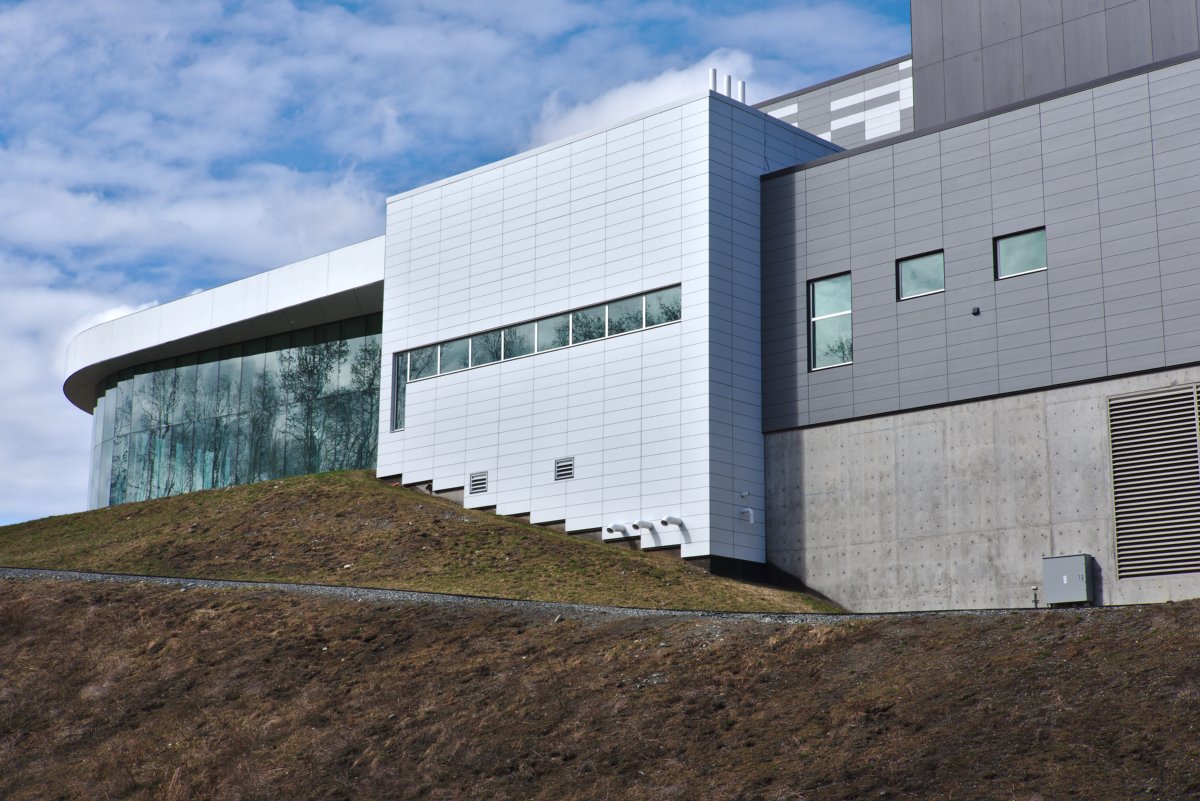
The campus sits against the Chugach Mountains with views of Cook Inlet, creating a uniquely Alaskan backdrop for daily walks between classes. Students often ski, snowboard, or ice fish on weekends, taking advantage of strong outdoor recreation minutes from campus. The 12:1 student-faculty ratio means small discussion groups and accessible professors. With 92% of students from Alaska, the community feels tight-knit despite the urban setting. Many students work part-time jobs around Anchorage, contributing to the practical, no-nonsense campus culture that reflects Alaska's frontier spirit.
- Setting
- City-Large
- Housing Capacity
- 996 beds
- Calendar System
- Semester
- Study Abroad
- Available
- Founded
- 1954
Campus Safety (2023)
137 total reported incidents. Source: Clery Act / U.S. Department of Education
| Offense | On Campus | Residential | Noncampus | Public Property |
|---|---|---|---|---|
| Stalking | 51 | 19 | 0 | 0 |
| Domestic Violence | 11 | 10 | 0 | 0 |
| Aggravated Assault | 5 | 4 | 0 | 2 |
| Motor Vehicle Theft | 8 | 0 | 0 | 0 |
| Burglary | 5 | 2 | 0 | 0 |
| Fondling | 4 | 3 | 0 | 0 |
| Rape | 5 | 1 | 0 | 1 |
| Arson | 3 | 1 | 0 | 0 |
| Robbery | 0 | 0 | 0 | 2 |
Climate & Weather
- January Avg
- 8°–22°F
- July Avg
- 53°–68°F
- Annual Precipitation
- 14.2"
- Annual Snowfall
- 76.9"
Student Demographics
- Men
- 40.4%
- Women
- 59.6%
- White
- 48.6%
- Black
- 3.7%
- Hispanic
- 11.3%
- Asian
- 12.5%
- In-State Students
- 92.4%
- Pell Grant Recipients
- 19.1%
Location
- Address
- Anchorage, Alaska 99508


After College
Source: College Scorecard / U.S. Department of Education
- Median Earnings (10 years)
- $51,871
- Median Earnings (5 years)
- $63,190
- Mean Earnings (6 years after entry)
- $41,500
- Loan Repayment Rate
- 54.8%
- Monthly Loan Payment
- $214/mo
- Median Debt at Graduation
- $20,210
Frequently Asked Questions
What is the acceptance rate at University of Alaska Anchorage?
University of Alaska Anchorage accepts 65.32% of applicants, making it moderately selective. The university serves as Alaska's largest public research institution and welcomes students seeking opportunities in the Last Frontier.
How much does University of Alaska Anchorage cost after financial aid?
Students pay an average net price of $13,780 annually after aid. In-state tuition runs $7,566 while out-of-state students pay $21,693, though 92.43% of students come from Alaska.
What is the student-faculty ratio at University of Alaska Anchorage?
The student-faculty ratio stands at 12:1 across the 6,916 enrolled students. This relatively small class size supports UAA's focus on practical, career-oriented programs that serve Alaska's unique economic needs.
What are the graduation rates at University of Alaska Anchorage?
The six-year graduation rate reaches 28.90%, while the four-year rate hits 29.44%. Many students attend part-time while working in Alaska's seasonal industries, which explains the longer completion timelines typical of this institution.
Where do University of Alaska Anchorage students live?
Campus housing accommodates 996 students with room and board costing $12,412 annually. Most students live off-campus in Alaska's largest city, where they can experience urban amenities against a backdrop of mountains and wilderness.
Does University of Alaska Anchorage have strong job placement?
Graduates achieve a 91.7% employment rate with median earnings of $51,871 ten years after graduation. The Seawolves athletics program competes in NCAA Division II, while students often find careers in Alaska's key industries like oil, tourism, and government.