

About University of Arkansas at Little Rock
The financial picture tells a practical story for working students. After aid, families earning under $30,000 pay an average of $14,143 annually, while those making $75,000-$110,000 pay $20,594. Graduates typically leave with $22,000 in debt and earn a median salary of $45,265 ten years after graduation. The monthly loan payment averages $233, making this degree financially manageable for most graduates.
Women outnumber men at 64% to 36%, creating a campus active that reflects many urban public universities. The student body is diverse, with 50% white students and 26% Black students. About 41% of students receive Pell Grants, indicating substantial economic diversity. The 71% retention rate suggests students generally find what they're looking for, though the 41% six-year graduation rate indicates academic challenges that require student commitment.
Academics & Faculty
Source: College Scorecard / U.S. Department of Education
- Student-to-Faculty Ratio
- 11:1
- Full-Time Faculty
- 100.0%
- Graduation Rate (4-year)
- 41.7%
- Graduation Rate (6-year)
- 41.4%
- Retention Rate
- 71.5%
- Median Earnings (10 years)
- $45,265
- Carnegie Classification
- Doctoral University (R2)
Popular Programs by Earnings
| Program | Level | Median Earnings |
|---|---|---|
| Registered Nursing, Nursing Administration, Nursing Research and Clinical Nursing. | Bachelor | $70,536 |
| Management Information Systems and Services. | Bachelor | $60,161 |
| Law. | Doctoral | $56,302 |
| Construction Engineering Technologies. | Bachelor | $55,512 |
| Business Administration, Management and Operations. | Master | $54,739 |
| Registered Nursing, Nursing Administration, Nursing Research and Clinical Nursing. | Associate | $54,032 |
| Marketing. | Bachelor | $48,823 |
| Accounting and Related Services. | Bachelor | $48,667 |
| Student Counseling and Personnel Services. | Master | $48,041 |
| Social Work. | Master | $47,877 |
Campus Life
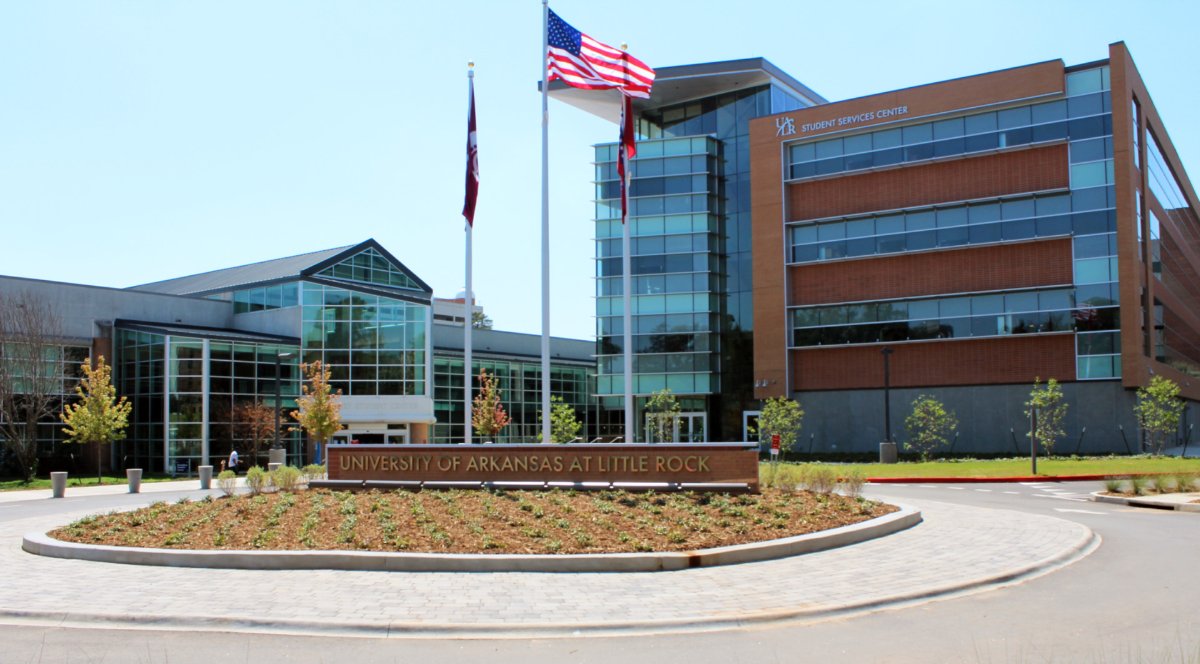
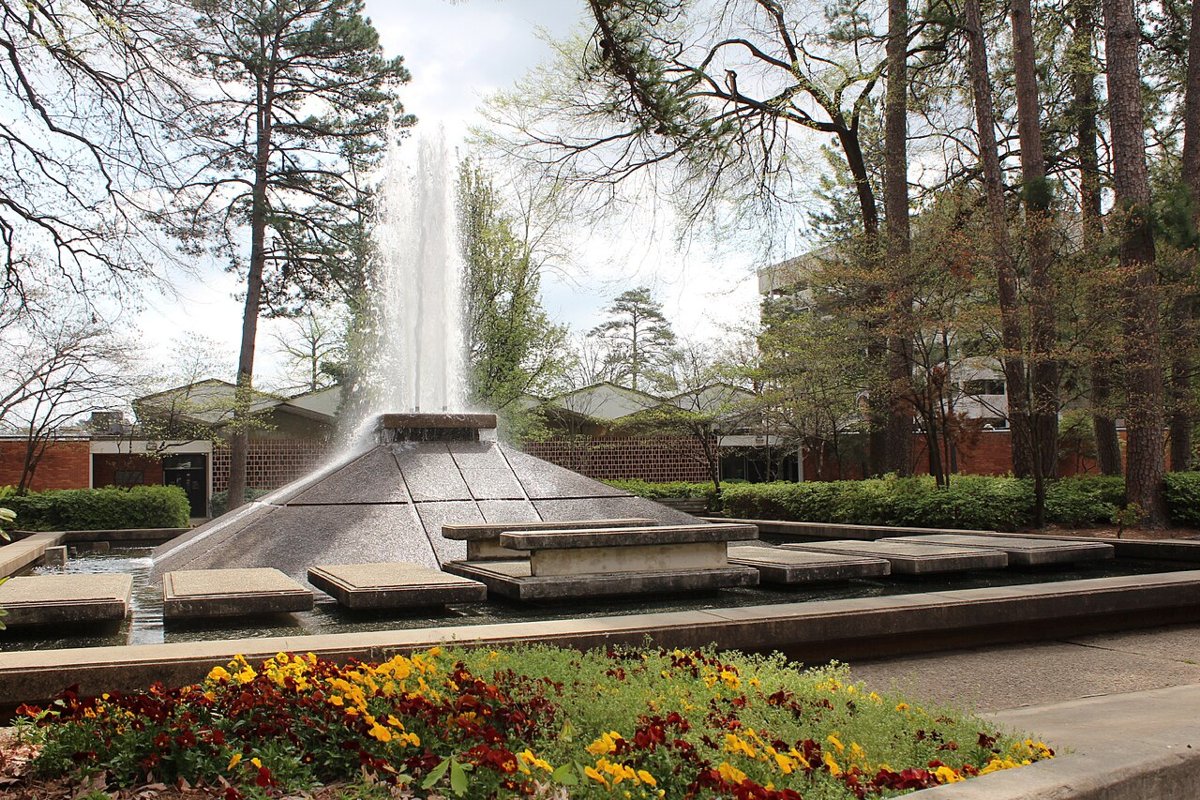
Arkansas weather means hot, humid summers where you'll need air conditioning and sunscreen, plus mild winters that rarely require heavy coats. Students often spend weekends exploring downtown Little Rock's River Market District or catching Trojans games, with 11 varsity sports competing in NCAA Division I. The campus draws heavily from Arkansas with 87% in-state students, creating a tight-knit community where many students already know each other from high school. Women outnumber men at 64% to 36%, and the student body is 50% white and 26% Black, reflecting Little Rock's diverse demographics.
- Setting
- City-Midsize
- Housing Capacity
- 1,395 beds
- Calendar System
- Semester
- Study Abroad
- Available
- Founded
- 1927
Campus Safety (2023)
13 total reported incidents. Source: Clery Act / U.S. Department of Education
| Offense | On Campus | Residential | Noncampus | Public Property |
|---|---|---|---|---|
| Stalking | 2 | 2 | 0 | 0 |
| Burglary | 2 | 1 | 0 | 0 |
| Rape | 1 | 1 | 1 | 0 |
| Murder | 1 | 1 | 0 | 0 |
| Domestic Violence | 1 | 0 | 0 | 0 |
Climate & Weather
- January Avg
- 30°–50°F
- July Avg
- 71°–91°F
- Annual Precipitation
- 50.4"
- Annual Snowfall
- 3.8"
Student Demographics
- Men
- 36.1%
- Women
- 63.9%
- White
- 50.0%
- Black
- 26.2%
- Hispanic
- 3.0%
- Asian
- 1.9%
- In-State Students
- 87.2%
- Pell Grant Recipients
- 41.1%
Location
- Address
- Little Rock, Arkansas 72204
After College
Source: College Scorecard / U.S. Department of Education
- Median Earnings (10 years)
- $45,265
- Median Earnings (5 years)
- $56,583
- Mean Earnings (6 years after entry)
- $34,600
- Loan Repayment Rate
- 57.7%
- Monthly Loan Payment
- $233/mo
- Median Debt at Graduation
- $22,000
Frequently Asked Questions
What is the acceptance rate at University of Arkansas at Little Rock?
UALR accepts 61.46% of applicants with an average SAT score of 1095. The university maintains accessible admissions standards while serving as a research institution in Arkansas's capital city.
How much does University of Arkansas at Little Rock cost after financial aid?
The average net price is $16,136, though costs vary by income level. Students from families earning under $30,000 pay just $14,143 on average, while the university keeps median debt low at $22,000.
What is the student-faculty ratio at University of Arkansas at Little Rock?
UALR maintains an 11:1 student-faculty ratio across its 4,740 enrolled students. The university is known for strong programs in law, medicine, and public administration that benefit from this relatively small class size environment.
Does University of Arkansas at Little Rock have good job placement rates?
Graduates achieve a 94.5% employment rate with median earnings of $45,265 ten years after graduation. The university's location in Little Rock provides access to state government and healthcare career opportunities.
Where do most University of Arkansas at Little Rock students come from?
About 87.21% of students are Arkansas residents, with women comprising 63.90% of enrollment. The student body is 50% white and 26.18% Black, reflecting the demographics of the Little Rock metropolitan area the university serves.
Is University of Arkansas at Little Rock a Division I athletics school?
The Trojans compete in NCAA Division I as members of the Ohio Valley Conference with 11 varsity sports. The athletic program awards $4,040,511 in scholarships across 263 total student-athletes.
Similar Schools

Southern Arkansas University Main Campus
Magnolia, Arkansas

Southern University and A & M College
Baton Rouge, Louisiana

University of Missouri-Kansas City
Kansas City, Missouri

University of New Orleans
New Orleans, Louisiana

University of Missouri-St Louis
Saint Louis, Missouri

Northeastern Illinois University
Chicago, Illinois