
About University of Arkansas for Medical Sciences
The financial picture looks strong for a specialized health sciences education. Students graduate with a median debt of just $14,000, remarkably low for medical training. Ten years after graduation, median earnings reach $73,827, making this investment pay off quickly. Monthly loan payments average only $148, easily manageable on healthcare salaries. The 80.74% loan repayment rate shows graduates can handle their debt successfully.
Women make up 83.98% of the student body, reflecting healthcare professions' demographics. The 97.8% employment rate tells the real story, UAMS graduates find jobs because Arkansas needs healthcare workers. With housing for only 177 students, most live off-campus in Little Rock. This isn't a traditional college experience with football games and fraternities, it's professional training for students serious about healthcare careers.
Academics & Faculty
Source: College Scorecard / U.S. Department of Education
- Student-to-Faculty Ratio
- 15:1
- Full-Time Faculty
- 77.5%
- Median Earnings (10 years)
- $73,827
- Carnegie Classification
- Associate College (High Nontraditional)
Popular Programs by Earnings
| Program | Level | Median Earnings |
|---|---|---|
| Pharmacy, Pharmaceutical Sciences, and Administration. | Doctoral | $129,122 |
| Registered Nursing, Nursing Administration, Nursing Research and Clinical Nursing. | Doctoral | $117,572 |
| Allied Health Diagnostic, Intervention, and Treatment Professions. | Master | $97,604 |
| Registered Nursing, Nursing Administration, Nursing Research and Clinical Nursing. | Master | $95,134 |
| Communication Disorders Sciences and Services. | Doctoral | $82,440 |
| Health and Medical Administrative Services. | Master | $64,493 |
| Registered Nursing, Nursing Administration, Nursing Research and Clinical Nursing. | Bachelor | $58,013 |
| Dental Support Services and Allied Professions. | Bachelor | $55,512 |
| Public Health. | Master | $54,386 |
| Medicine. | Doctoral | $53,743 |
Campus Life
Women make up 84% of the student body, reflecting healthcare's gender demographics. The 15:1 student-faculty ratio creates intimate learning environments in labs and clinical rotations. Students spend weekdays in hospitals, research labs, and simulation centers rather than traditional lecture halls. UAMS operates as Arkansas's only academic health center, so campus life revolves around medical training rather than football games or Greek life.
Weekends often involve studying for boards or completing clinical hours. Many students volunteer at local clinics or participate in health fairs throughout Arkansas communities. The employment rate hits 97.8%, meaning graduates typically secure positions before commencement. Little Rock offers restaurants, outdoor activities along the Arkansas River, and a growing downtown scene when students find time between rotations and residency applications.
- Setting
- City-Midsize
- Housing Capacity
- 177 beds
- Calendar System
- Semester
- Founded
- 1879
Campus Safety (2023)
13 total reported incidents. Source: Clery Act / U.S. Department of Education
| Offense | On Campus | Residential | Noncampus | Public Property |
|---|---|---|---|---|
| Domestic Violence | 3 | 0 | 0 | 0 |
| Fondling | 3 | 0 | 0 | 0 |
| Aggravated Assault | 1 | 0 | 1 | 0 |
| Rape | 0 | 0 | 2 | 0 |
| Burglary | 1 | 0 | 0 | 0 |
| Motor Vehicle Theft | 1 | 0 | 0 | 0 |
| Stalking | 1 | 0 | 0 | 0 |
Climate & Weather
- January Avg
- 30°–50°F
- July Avg
- 71°–91°F
- Annual Precipitation
- 50.4"
- Annual Snowfall
- 3.8"
Student Demographics
- Men
- 16.0%
- Women
- 84.0%
- White
- 60.3%
- Black
- 10.6%
- Hispanic
- 9.9%
- Asian
- 8.5%
- Pell Grant Recipients
- 26.9%
Location
- Address
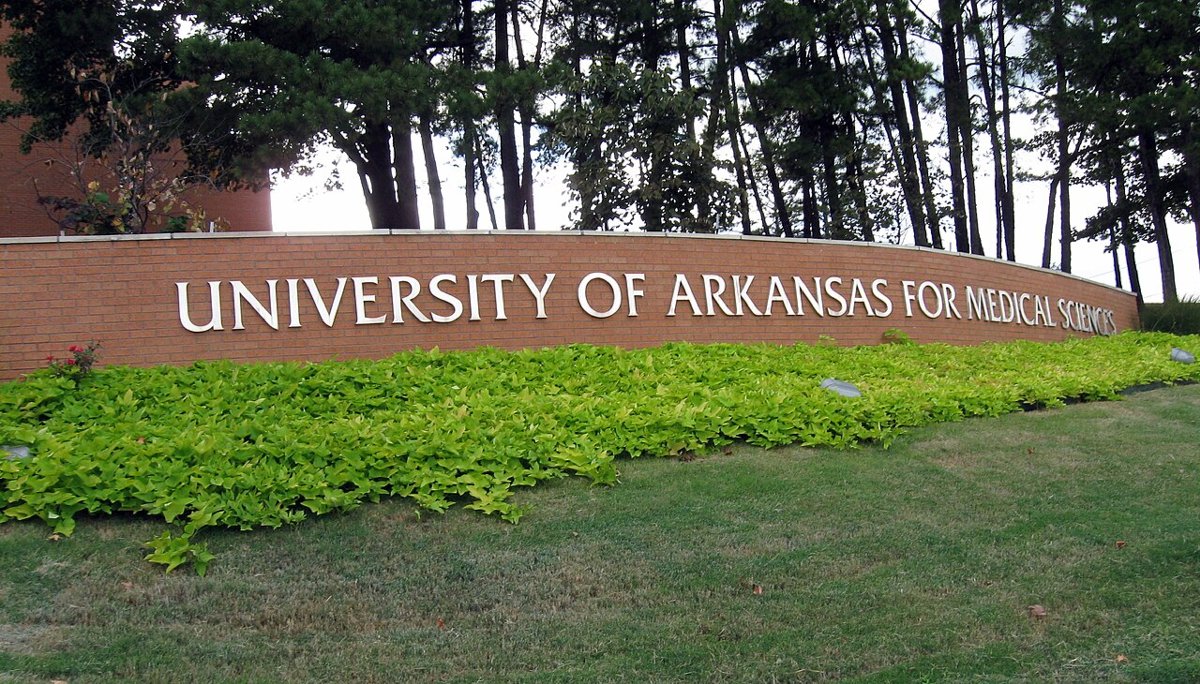
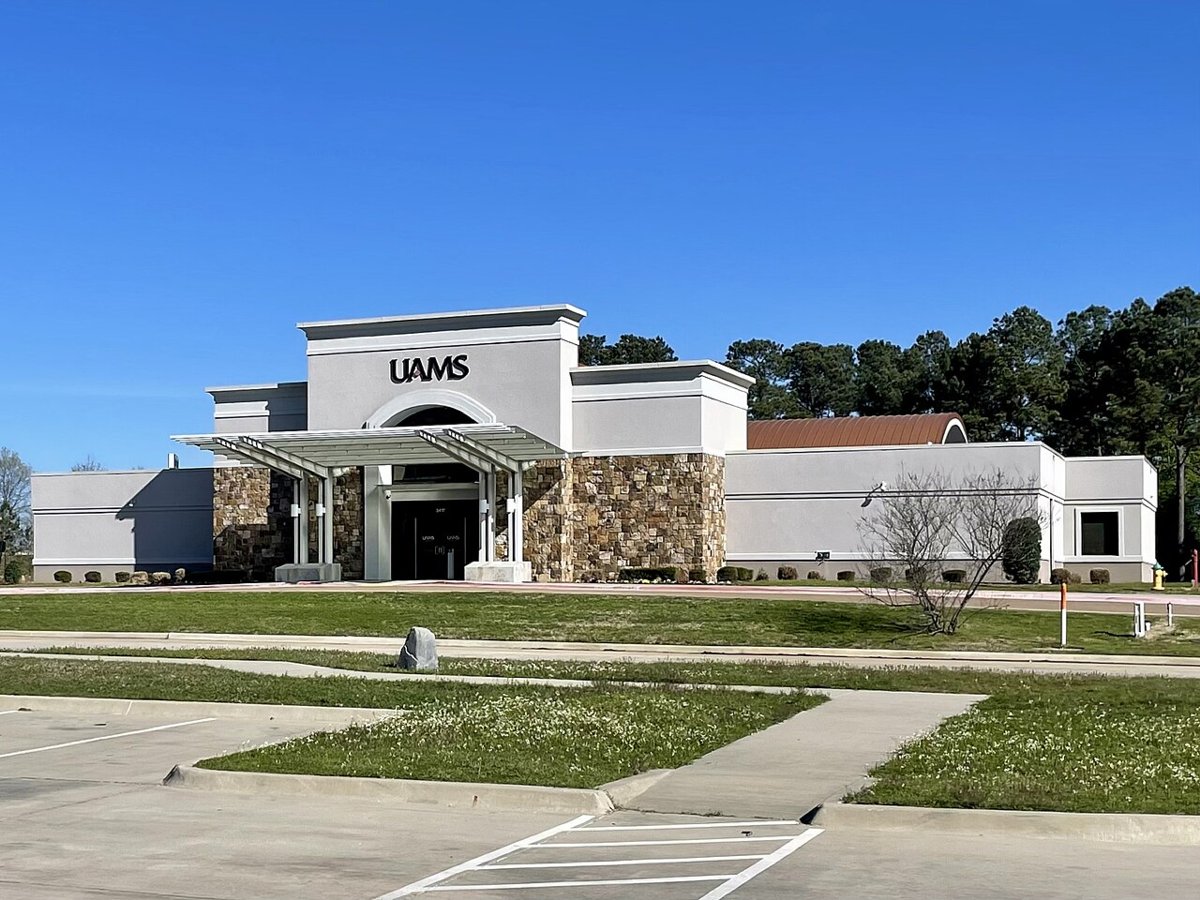
- Little Rock, Arkansas 72205-7199
After College
Source: College Scorecard / U.S. Department of Education
- Median Earnings (10 years)
- $73,827
- Median Earnings (5 years)
- $73,406
- Mean Earnings (6 years after entry)
- $68,000
- Loan Repayment Rate
- 80.7%
- Monthly Loan Payment
- $148/mo
- Median Debt at Graduation
- $14,000
Frequently Asked Questions
What makes University of Arkansas for Medical Sciences unique among Arkansas universities?
UAMS is exclusively focused on health sciences education and research, serving as Arkansas's only comprehensive academic health center. The school trains 83.98% women students across medicine, nursing, pharmacy, and other healthcare fields. Founded in 1879, it has become the state's top institution for developing healthcare professionals.
How much does University of Arkansas for Medical Sciences cost after financial aid?
Students graduate with a median debt of just $14,000, remarkably low for a health sciences university. Only 35.72% of students take federal loans, and those who do have manageable monthly payments of $148. The school keeps costs accessible while training future healthcare professionals.
What are the academic programs like at University of Arkansas for Medical Sciences?
The university maintains a 15:1 student-faculty ratio across its health sciences programs, ensuring personalized attention in demanding medical fields. With only 1,361 students, UAMS offers intimate class sizes that are crucial for hands-on medical training. The semester system allows for intensive, focused study in specialized healthcare disciplines.
What career outcomes can students expect from University of Arkansas for Medical Sciences?
Graduates achieve an exceptional 97.8% employment rate, reflecting strong demand for healthcare professionals. The median earnings reach $73,827 ten years after graduation, demonstrating the value of specialized health sciences education. With an 80.74% loan repayment rate, graduates successfully manage their educational investments.
Where is University of Arkansas for Medical Sciences located and what is campus life like?
The campus sits in Little Rock, Arkansas's capital and largest medical center. With housing capacity for only 177 students, most students live off-campus in the surrounding midsize city. The urban setting provides access to major hospitals and medical facilities where students complete clinical rotations.
Is University of Arkansas for Medical Sciences financially accessible to diverse students?
About 26.94% of students receive Pell Grants, indicating the school serves students from various economic backgrounds. The student body includes 60.32% white students, 10.58% Black students, and 9.92% Hispanic students. Only 26.94% of students receive financial aid overall, suggesting many can afford the relatively affordable health sciences education.
Similar Schools

University of Arkansas at Monticello
Monticello, Arkansas
National Park College
Hot Springs, Arkansas

Black River Technical College
Pocahontas, Arkansas

Arkansas State University-Beebe
Beebe, Arkansas

Cossatot Community College of the University of Arkansas
De Queen, Arkansas

University of Arkansas at Pine Bluff
Pine Bluff, Arkansas