About University of Baltimore
Students pay an average net price of $17,546 after aid, which proves reasonable given that graduates earn a median of $61,335 ten years after graduation. The typical graduate leaves with $23,250 in debt and monthly loan payments of $246. These numbers tell a positive story about return on investment, especially considering that 95% of graduates find employment. In-state students pay just $9,772 in tuition, making this an affordable path to middle-class careers.
The student body is 97% Maryland residents, with women comprising 59% of enrollment. Black students make up 50% of the population while white students represent 26%. With a 10:1 student-faculty ratio, classes stay small despite the urban setting. The 47% six-year graduation rate reflects the working-student reality, as many students balance jobs with their studies in this commuter-friendly environment.
Academics & Faculty
Source: College Scorecard / U.S. Department of Education
- Student-to-Faculty Ratio
- 10:1
- Full-Time Faculty
- 56.0%
- Graduation Rate (4-year)
- 39.2%
- Graduation Rate (6-year)
- 46.7%
- Retention Rate
- 65.4%
- Median Earnings (10 years)
- $61,335
- Carnegie Classification
- Master's University (Large)
Popular Programs by Earnings
| Program | Level | Median Earnings |
|---|---|---|
| Business Administration, Management and Operations. | Master | $75,204 |
| Public Administration. | Master | $55,964 |
| Law. | Doctoral | $53,984 |
| Psychology, Other. | Master | $46,478 |
| Radio, Television, and Digital Communication. | Bachelor | $45,852 |
| Business/Commerce, General. | Bachelor | $41,565 |
| Design and Applied Arts. | Master | $39,909 |
| Criminal Justice and Corrections. | Bachelor | $35,060 |
| Information Science/Studies. | Bachelor | $31,839 |
Campus Life
Winter means bundling up for walks between buildings, while summers bring humid heat that makes air-conditioned study spaces essential. Most students commute from around the city since campus housing is limited. Weekend activities center on Baltimore's attractions like Camden Yards, Federal Hill, and Fells Point rather than campus parties. The 10:1 student-faculty ratio means professors know your name and career goals. Students often work part-time jobs downtown, taking advantage of internships at nonprofits, law firms, and government agencies within walking distance. This is urban education where your internship supervisor might be your neighbor and classmates become your professional network.
- Setting
- City-Large
- Calendar System
- Semester
- Study Abroad
- Available
- Founded
- 1925
Campus Safety (2023)
20 total reported incidents. Source: Clery Act / U.S. Department of Education
| Offense | On Campus | Residential | Noncampus | Public Property |
|---|---|---|---|---|
| Motor Vehicle Theft | 0 | 0 | 0 | 14 |
| Aggravated Assault | 0 | 0 | 0 | 2 |
| Burglary | 1 | 0 | 0 | 0 |
| Domestic Violence | 0 | 0 | 0 | 1 |
| Murder | 0 | 0 | 0 | 1 |
| Robbery | 0 | 0 | 0 | 1 |
Climate & Weather
- January Avg
- 31°–46°F
- July Avg
- 75°–92°F
- Annual Precipitation
- 42.4"
- Annual Snowfall
- 0.0"
Student Demographics
- Men
- 41.3%
- Women
- 58.7%
- White
- 26.1%
- Black
- 49.9%
- Hispanic
- 8.5%
- Asian
- 4.2%
- In-State Students
- 97.3%
- Pell Grant Recipients
- 43.2%
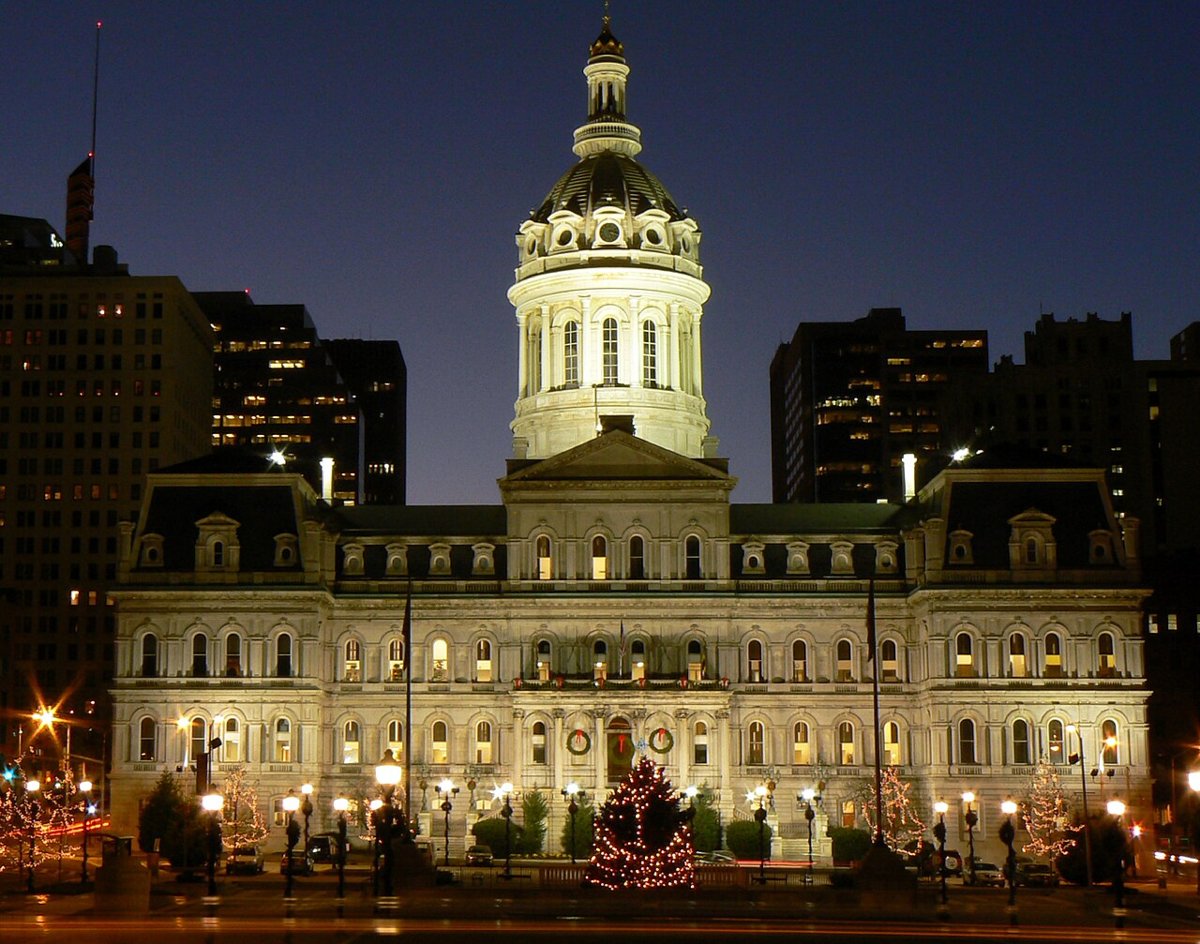
Location
- Address
- Baltimore, Maryland 21201-5720
After College
Source: College Scorecard / U.S. Department of Education
- Median Earnings (10 years)
- $61,335
- Median Earnings (5 years)
- $64,727
- Mean Earnings (6 years after entry)
- $45,100
- Loan Repayment Rate
- 43.1%
- Monthly Loan Payment
- $246/mo
- Median Debt at Graduation
- $23,250
Frequently Asked Questions
What is the acceptance rate at University of Baltimore?
University of Baltimore accepts 89% of applicants, making it accessible to most students who apply. The average SAT score is 985, with middle 50% scores ranging from 920 to 1050. This public university serves as a gateway for students seeking professional programs in law, business, and public administration.
How much does University of Baltimore cost after financial aid?
The average net price at University of Baltimore is $17,546 per year. In-state students pay $9,772 in tuition while out-of-state students pay $23,490. The school draws heavily from Maryland with 97% of students coming from in-state.
What is the student-faculty ratio at University of Baltimore?
University of Baltimore maintains a 10:1 student-faculty ratio with just 1,276 total students. This small size allows for personalized attention in the university's professional programs. The intimate campus environment contrasts with larger state universities in Maryland.
What are the graduation rates at University of Baltimore?
University of Baltimore has a 47% six-year graduation rate and 39% four-year graduation rate. The 65% retention rate reflects the challenges many working students face in this urban setting. Despite lower completion rates, graduates earn a median of $61,335 ten years after enrollment.
Where is University of Baltimore located?
University of Baltimore sits in downtown Baltimore, offering students access to internships and jobs in Maryland's largest city. The urban campus serves a diverse student body that is 50% Black and 26% White. This location provides real-world experience for students in business, law, and public service programs.
Does University of Baltimore have good employment outcomes?
University of Baltimore boasts a 95% employment rate for graduates, reflecting strong connections to Baltimore's job market. Graduates carry a median debt of $23,250 with monthly loan payments of $246. The university's focus on professional programs like business and criminal justice aligns well with regional employer needs.