
About University of California-Santa Cruz
Students pay an average net price of $16,607, making this UC campus surprisingly affordable. Graduates earn a median of $68,396 ten years after graduation, while carrying typical debt of just $16,666. The monthly loan payment of $177 represents a manageable burden given earning potential. Financial aid reaches 31.75% of students, with families earning under $30,000 paying only $9,472 annually.
The quarter system keeps academics moving at a brisk pace, with 89.67% of students returning for sophomore year. A 22:1 student-faculty ratio means larger classes are common, but the intimate campus culture compensates. Nearly 94% of students come from California, creating a distinctly Golden State vibe. The 74.98% loan repayment rate suggests graduates successfully navigate post-college finances.
Academics & Faculty
Source: College Scorecard / U.S. Department of Education
- Student-to-Faculty Ratio
- 22:1
- Full-Time Faculty
- 84.2%
- Graduation Rate (4-year)
- 75.7%
- Graduation Rate (6-year)
- 74.5%
- Retention Rate
- 89.7%
- Median Earnings (10 years)
- $68,396
- Carnegie Classification
- Doctoral University (R1)
Popular Programs by Earnings
| Program | Level | Median Earnings |
|---|---|---|
| Computer Engineering. | Bachelor | $79,150 |
| Electrical, Electronics and Communications Engineering. | Bachelor | $69,338 |
| Computer Science. | Bachelor | $63,530 |
| Economics. | Master | $61,516 |
| Computer/Information Technology Administration and Management. | Bachelor | $60,185 |
| Educational Assessment, Evaluation, and Research. | Master | $54,894 |
| Business/Managerial Economics. | Bachelor | $51,607 |
| Biomedical/Medical Engineering. | Bachelor | $48,823 |
| Multi/Interdisciplinary Studies, Other. | Bachelor | $47,260 |
| Economics. | Bachelor | $44,356 |
Campus Life
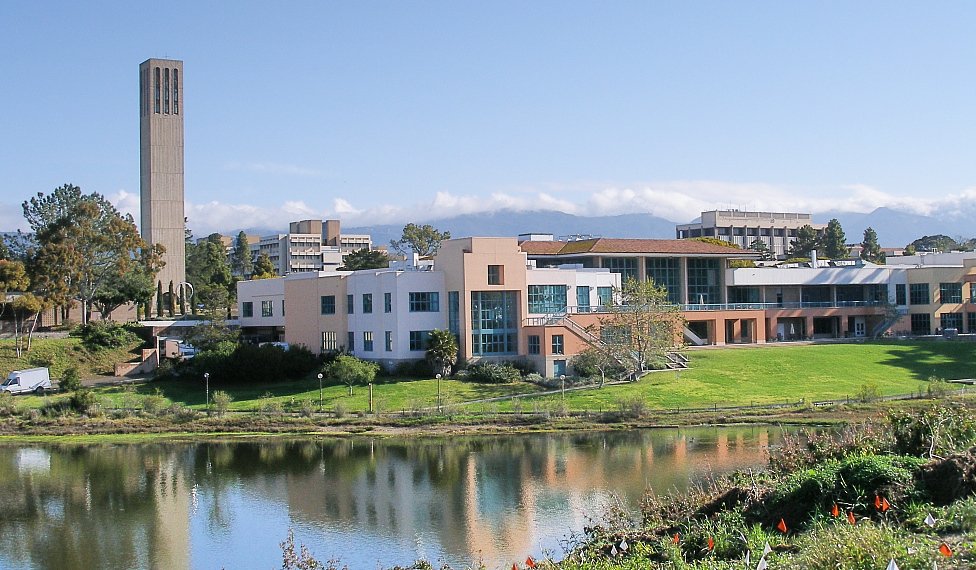
Students embrace the unconventional culture that made the Banana Slugs a beloved mascot choice. Weekends often involve hiking in nearby state parks, visiting the Santa Cruz Beach Boardwalk, or attending events at the campus's numerous cooperative houses. The quarter system with its 22:1 student-faculty ratio creates an intense academic pace. Many students appreciate the narrative evaluation system that supplements traditional grades with detailed written feedback. The 89.67% retention rate reflects students who connect with this alternative approach to education, where environmental activism and creative expression thrive alongside rigorous academics in programs ranging from marine biology to game design.
- Setting
- City-Small
- Housing Capacity
- 9,524 beds
- Calendar System
- Quarter
- Study Abroad
- Available
Campus Safety (2023)
194 total reported incidents. Source: Clery Act / U.S. Department of Education
| Offense | On Campus | Residential | Noncampus | Public Property |
|---|---|---|---|---|
| Domestic Violence | 31 | 29 | 2 | 0 |
| Rape | 24 | 21 | 2 | 1 |
| Stalking | 20 | 9 | 1 | 0 |
| Fondling | 13 | 13 | 1 | 0 |
| Burglary | 6 | 3 | 1 | 0 |
| Aggravated Assault | 8 | 1 | 0 | 0 |
| Motor Vehicle Theft | 4 | 0 | 0 | 0 |
| Dating Violence | 1 | 1 | 0 | 0 |
| Arson | 1 | 0 | 0 | 0 |
| Incest | 1 | 0 | 0 | 0 |
Climate & Weather
- January Avg
- 41°–62°F
- July Avg
- 54°–74°F
- Annual Precipitation
- 30.6"
- Annual Snowfall
- 0.0"
Student Demographics
- Men
- 48.4%
- Women
- 51.6%
- White
- 30.8%
- Black
- 2.0%
- Hispanic
- 28.5%
- Asian
- 24.7%
- In-State Students
- 93.9%
- Pell Grant Recipients
- 31.8%
Location
- Address
- Santa Cruz, California 95064-1011

After College
Source: College Scorecard / U.S. Department of Education
- Median Earnings (10 years)
- $68,396
- Median Earnings (5 years)
- $64,162
- Mean Earnings (6 years after entry)
- $38,400
- Loan Repayment Rate
- 75.0%
- Monthly Loan Payment
- $177/mo
- Median Debt at Graduation
- $16,666
Frequently Asked Questions
What is the acceptance rate at University of California-Santa Cruz?
UC Santa Cruz accepts 46.92% of applicants, making it moderately selective among UC campuses. The school is known for its alternative academic culture that includes narrative evaluations alongside traditional grades. With 89.67% of students returning for their second year, most who enroll find the unconventional approach suits them well.
How much does University of California-Santa Cruz cost after financial aid?
The average net price is $16,607 annually, with significant variation based on family income. Students from families earning under $30,000 pay just $9,472 after aid, while those from higher-income families ($110,000+) pay $32,674. About 31.75% of students receive Pell Grants, reflecting the school's commitment to economic diversity.
What academic programs is University of California-Santa Cruz known for?
The university is well-known for its environmental programs, taking advantage of its redwood forest campus setting. With a 22:1 student-faculty ratio, classes tend to be larger than at liberal arts colleges. The school maintains its reputation for modern academics while operating on a quarter system that allows for intensive, focused coursework.
What do University of California-Santa Cruz graduates earn after college?
Graduates earn a median of $68,396 ten years after graduation, with strong employment outcomes showing a 91.5% employment rate. The typical monthly loan payment is $177, reflecting the median debt of $16,666. Notable alumni include comedian Andy Samberg and musician Huey Lewis, showcasing the school's strength in creative fields.
Where do University of California-Santa Cruz students live and what is campus life like?
The campus houses 9,524 students among towering redwood trees, creating a unique natural setting for college life. With 93.94% of students coming from in-state, the community has a distinctly Californian character. The school competes in NCAA Division III with 13 varsity sports and 308 total athletes, though athletics take a backseat to academics and environmental activism.
Is University of California-Santa Cruz really known as the Banana Slugs?
Yes, UC Santa Cruz proudly embraces the Banana Slug as its mascot, reflecting the school's unconventional and environmentally conscious identity. The slug represents the campus's commitment to being different from traditional universities, much like their narrative evaluation system. This quirky mascot has become a beloved symbol that perfectly captures the school's alternative spirit and connection to its natural redwood forest setting.
Similar Schools

North Carolina State University at Raleigh
Raleigh, North Carolina
University of Pittsburgh-Pittsburgh Campus
Pittsburgh, Pennsylvania

Stony Brook University
Stony Brook, New York

Auburn University
Auburn, Alabama
California State Polytechnic University-Pomona
Pomona, California

Clemson University
Clemson, South Carolina