About University of Colorado Denver/Anschutz Medical Campus
Students pay an average net price of $19,133 after financial aid, making this a relatively affordable option for quality education. Graduates earn a median of $64,270 ten years after graduation, providing strong return on investment despite the modest $20,500 median debt load. In-state students benefit , paying just $10,017 in tuition compared to $28,209 for out-of-state peers. The university's focus on practical, career-oriented programs shows in its 94.4% employment rate.
The student body reflects Colorado's growing diversity, with 27.66% Hispanic students and strong representation across ethnic groups. Nearly 91% of students come from Colorado, creating a tight-knit community feel despite the urban setting. The 16:1 student-faculty ratio ensures personalized attention, particularly valuable in the demanding health sciences programs that define this institution.
Academics & Faculty
Source: College Scorecard / U.S. Department of Education
- Student-to-Faculty Ratio
- 16:1
- Full-Time Faculty
- 66.7%
- Graduation Rate (4-year)
- 45.7%
- Graduation Rate (6-year)
- 47.4%
- Retention Rate
- 71.5%
- Median Earnings (10 years)
- $64,270
- Carnegie Classification
- Doctoral University (R1)
Popular Programs by Earnings
| Program | Level | Median Earnings |
|---|---|---|
| Advanced/Graduate Dentistry and Oral Sciences. | Doctoral | $234,763 |
| Medical Clinical Sciences/Graduate Medical Studies. | Master | $122,038 |
| Pharmacy, Pharmaceutical Sciences, and Administration. | Doctoral | $118,790 |
| Registered Nursing, Nursing Administration, Nursing Research and Clinical Nursing. | Doctoral | $115,339 |
| Dentistry. | Doctoral | $113,531 |
| Allied Health Diagnostic, Intervention, and Treatment Professions. | Doctoral | $90,501 |
| Business Administration, Management and Operations. | Master | $89,184 |
| Registered Nursing, Nursing Administration, Nursing Research and Clinical Nursing. | Master | $88,879 |
| Finance and Financial Management Services. | Master | $83,546 |
| Civil Engineering. | Master | $79,284 |
Campus Life
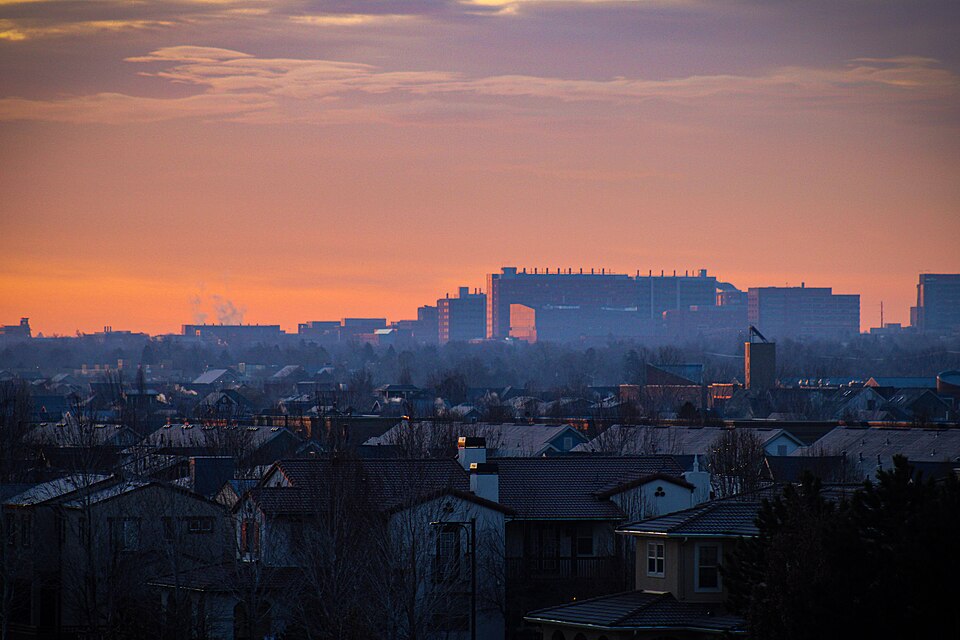
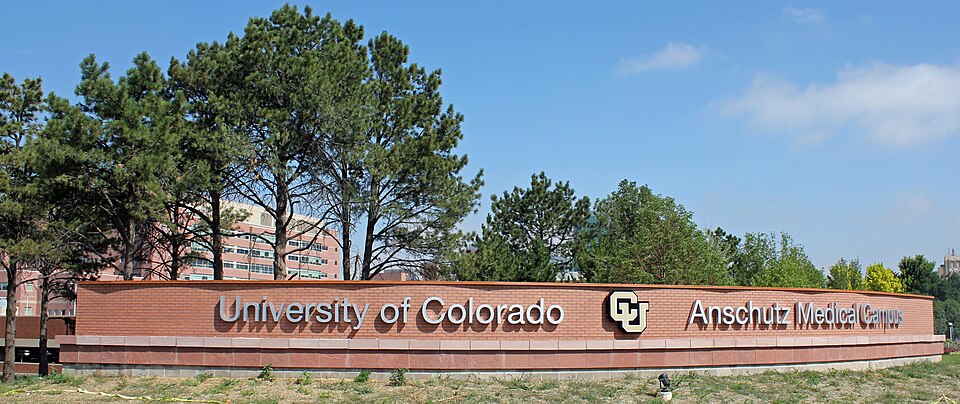
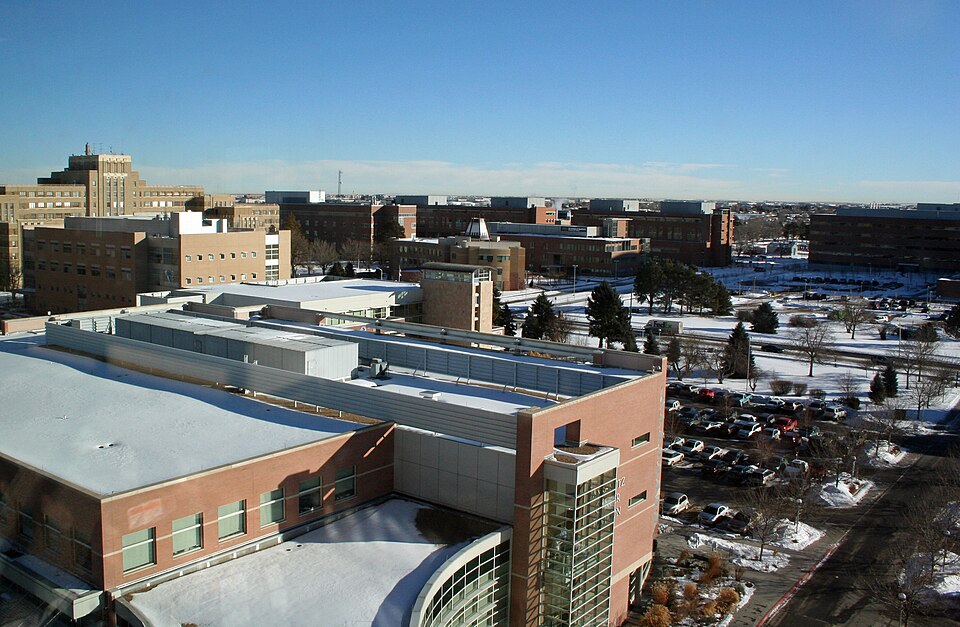
Denver's high altitude and 300 sunny days mean you'll need both winter coats and sunscreen. Snow hits hard from November through March, but melts quickly in the intense mountain sun. The split campus creates two distinct experiences: downtown Denver focuses on business and liberal arts, while the Anschutz Medical Campus in Aurora houses the health programs that drive the university's reputation. Students often work part-time jobs downtown or research positions at the medical campus. Weekends revolve around exploring Denver's breweries, hiking nearby mountains, or studying in coffee shops. The 16:1 student-faculty ratio creates smaller class sizes despite the urban research university setting.
- Setting
- City-Large
- Housing Capacity
- 1,250 beds
- Calendar System
- Semester
- Study Abroad
- Available
Campus Safety (2023)
247 total reported incidents. Source: Clery Act / U.S. Department of Education
| Offense | On Campus | Residential | Noncampus | Public Property |
|---|---|---|---|---|
| Motor Vehicle Theft | 129 | 0 | 0 | 3 |
| Stalking | 23 | 3 | 0 | 0 |
| Domestic Violence | 12 | 2 | 0 | 3 |
| Arson | 4 | 0 | 0 | 10 |
| Aggravated Assault | 8 | 1 | 0 | 3 |
| Burglary | 12 | 0 | 0 | 0 |
| Rape | 7 | 4 | 0 | 0 |
| Dating Violence | 7 | 2 | 0 | 1 |
| Fondling | 6 | 2 | 0 | 0 |
| Robbery | 3 | 0 | 0 | 1 |
| Negligent Manslaughter | 0 | 0 | 0 | 1 |
Climate & Weather
- January Avg
- 17°–46°F
- July Avg
- 59°–90°F
- Annual Precipitation
- 15.4"
- Annual Snowfall
- 49.0"
Student Demographics
- Men
- 44.0%
- Women
- 56.0%
- White
- 37.9%
- Black
- 6.8%
- Hispanic
- 27.7%
- Asian
- 10.7%
- In-State Students
- 90.6%
- Pell Grant Recipients
- 25.8%
Location
- Address
- Denver, Colorado 80217-3364
After College
Source: College Scorecard / U.S. Department of Education
- Median Earnings (10 years)
- $64,270
- Median Earnings (5 years)
- $68,618
- Mean Earnings (6 years after entry)
- $48,700
- Loan Repayment Rate
- 60.1%
- Monthly Loan Payment
- $217/mo
- Median Debt at Graduation
- $20,500
Frequently Asked Questions
What is the acceptance rate at University of Colorado Denver/Anschutz Medical Campus?
The acceptance rate is 74.58%, making it moderately accessible for students. The middle 50% of admitted students score between 1030-1260 on the SAT, reflecting the school's focus on health sciences where practical experience often matters as much as test scores.
How much does University of Colorado Denver/Anschutz Medical Campus cost after financial aid?
The average net price is $19,133, though students from families earning under $30,000 pay just $16,135 on average. Only 25.79% of students receive federal aid, but graduates carry a median debt of $20,500 with monthly payments around $217.
What academic programs is University of Colorado Denver/Anschutz Medical Campus known for?
The university is well-known for its health sciences education and research, particularly its medical and dental programs. With a 16:1 student-faculty ratio and 10,686 students, it provides focused training for future healthcare professionals on its specialized Anschutz Medical Campus.
What are the graduation and employment outcomes at University of Colorado Denver/Anschutz Medical Campus?
The six-year graduation rate is 47.40%, though this reflects the challenging nature of health sciences programs. Graduates achieve strong career outcomes with a 94.4% employment rate and median earnings of $64,270 ten years after graduation, reflecting the high demand for healthcare professionals.
Where do students live at University of Colorado Denver/Anschutz Medical Campus?
Housing capacity is limited to 1,250 students, with room and board costing $14,920 annually. Most of the 90.60% in-state student body commutes from the Denver metro area, taking advantage of the urban setting and proximity to major medical facilities.
Is University of Colorado Denver/Anschutz Medical Campus diverse?
The student body is 56.04% women and diverse, with 37.89% White, 27.66% Hispanic, 10.72% Asian, and 6.82% Black students. This diversity reflects Denver's multicultural population and the university's commitment to training healthcare workers who represent the communities they serve.