
About University of Georgia
Students pay an average net price of $13,816 after aid, making this education remarkably affordable for a flagship university. Graduates earn a median $68,726 ten years out, easily justifying the typical $18,500 debt load with monthly payments around $196. In-state students get an strong deal at $11,180 tuition, though out-of-state families pay $30,220. The 87% graduation rate shows most students finish what they start.
The Bulldogs compete in the SEC, where football reigns supreme and 563 student-athletes receive $12.4 million in scholarships across 17 sports. Women make up 58% of campus, while 86% of students hail from Georgia. The 17:1 student-faculty ratio means classes can feel large, but the 95% retention rate suggests students adapt well to big university life.
Academics & Faculty
Source: College Scorecard / U.S. Department of Education
- Student-to-Faculty Ratio
- 17:1
- Full-Time Faculty
- 89.7%
- Graduation Rate (4-year)
- 87.6%
- Graduation Rate (6-year)
- 87.2%
- Retention Rate
- 94.5%
- Median Earnings (10 years)
- $68,726
- Carnegie Classification
- Doctoral University (R1)
Popular Programs by Earnings
| Program | Level | Median Earnings |
|---|---|---|
| Pharmacy, Pharmaceutical Sciences, and Administration. | Master | $122,038 |
| Pharmacy, Pharmaceutical Sciences, and Administration. | Doctoral | $120,325 |
| Business Administration, Management and Operations. | Master | $111,283 |
| Marketing. | Master | $81,333 |
| Computer Software and Media Applications. | Master | $78,971 |
| Teacher Education and Professional Development, Specific Subject Areas. | Doctoral | $77,144 |
| Public Health. | Doctoral | $76,460 |
| Veterinary Medicine. | Doctoral | $76,190 |
| Educational Administration and Supervision. | Doctoral | $71,015 |
| Computer Science. | Bachelor | $70,456 |
Campus Life
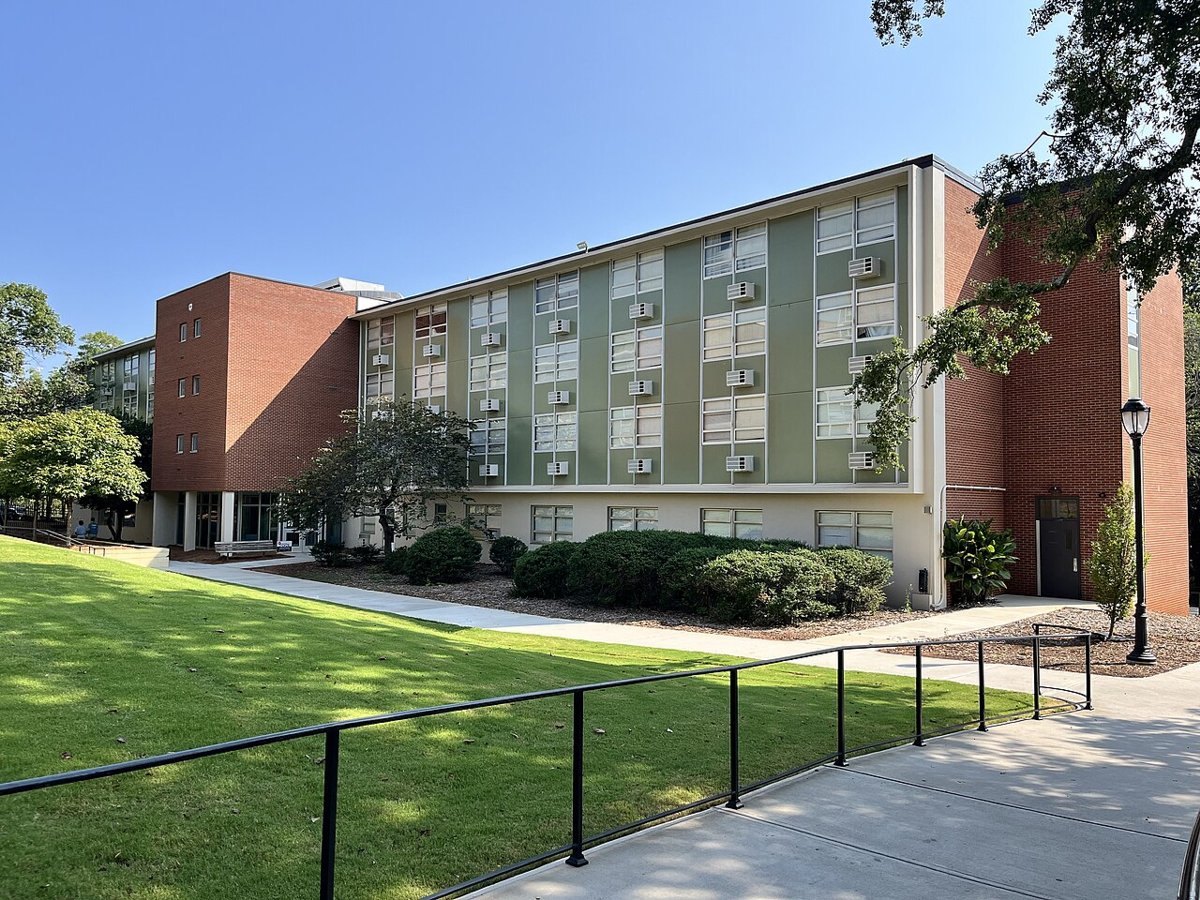
Football Saturdays transform Athens into a sea of red and black as 92,746 fans pack Sanford Stadium. The student section erupts when the Redcoat Band plays "Glory Glory" and fans sing along to "Georgia on My Mind." Downtown Athens offers live music venues that launched R.E.M. and the B-52s, while North Campus quad buzzes with students between classes under centuries-old oaks. With 94.5% of freshmen returning for sophomore year, students clearly embrace the mix of SEC sports culture, research opportunities, and Southern college town charm. Weekend house parties and tailgates are as much a tradition as the Arch Walk ceremony for new graduates.
- Setting
- City-Midsize
- Housing Capacity
- 10,759 beds
- Calendar System
- Semester
- Study Abroad
- Available
- Founded
- 1785
Campus Safety (2023)
102 total reported incidents. Source: Clery Act / U.S. Department of Education
| Offense | On Campus | Residential | Noncampus | Public Property |
|---|---|---|---|---|
| Burglary | 14 | 11 | 2 | 0 |
| Fondling | 10 | 4 | 9 | 0 |
| Rape | 10 | 10 | 1 | 0 |
| Domestic Violence | 3 | 3 | 1 | 0 |
| Stalking | 6 | 1 | 0 | 0 |
| Aggravated Assault | 6 | 0 | 0 | 0 |
| Dating Violence | 2 | 1 | 0 | 0 |
| Motor Vehicle Theft | 3 | 0 | 0 | 0 |
| Arson | 1 | 1 | 0 | 0 |
| Robbery | 1 | 1 | 0 | 0 |
| Statutory Rape | 1 | 0 | 0 | 0 |
Climate & Weather
- January Avg
- 33°–54°F
- July Avg
- 70°–92°F
- Annual Precipitation
- 49.0"
- Annual Snowfall
- 0.6"
Student Demographics
- Men
- 42.2%
- Women
- 57.8%
- White
- 67.1%
- Black
- 6.0%
- Hispanic
- 7.6%
- Asian
- 12.8%
- In-State Students
- 85.8%
- Pell Grant Recipients
- 17.2%
Location
- Address
- Athens, Georgia 30602


After College
Source: College Scorecard / U.S. Department of Education
- Median Earnings (10 years)
- $68,726
- Median Earnings (5 years)
- $66,487
- Mean Earnings (6 years after entry)
- $45,200
- Loan Repayment Rate
- 68.0%
- Monthly Loan Payment
- $196/mo
- Median Debt at Graduation
- $18,500
Frequently Asked Questions
What is the acceptance rate at University of Georgia?
University of Georgia accepts 42.55% of applicants, making it moderately selective among public research universities. Admitted students typically score between 1220-1420 on the SAT, reflecting the school's strong academic reputation as one of America's oldest public universities.
How much does University of Georgia cost after financial aid?
The average net price at University of Georgia is $13,816 per year, though this varies by family income. Students from families earning under $30,000 pay just $7,897 annually, while the university's strong in-state focus means 85.78% of students benefit from the lower $11,180 in-state tuition.
What is the student-faculty ratio at University of Georgia?
University of Georgia maintains a 17:1 student-faculty ratio across its 31,310 students. The university's research focus and comprehensive academic offerings attract a diverse student body, with 94.54% of first-year students returning for their sophomore year.
How much do University of Georgia graduates earn?
University of Georgia graduates earn a median salary of $68,726 ten years after graduation, with strong employment outcomes showing a 95.4% employment rate. The relatively low median debt of $18,500 and monthly loan payments of $196 make this a solid return on investment for the comprehensive education.
Where is University of Georgia located and what is campus life like?
University of Georgia sits in Athens, a mid-size college town that revolves around the university community. With housing capacity for 10,759 students and 17 varsity sports teams competing in the SEC, campus life centers heavily around Bulldogs athletics and the active college town atmosphere.
What makes University of Georgia's football program special?
University of Georgia's Bulldogs compete in the strong Southeastern Conference with 563 total athletes supported by $12.4 million in athletic scholarships. The football program is legendary in college sports, creating intense rivalries with Georgia Tech, Auburn, and Florida that define much of the campus culture and alumni pride.