
About University of Hartford
Students pay an average net price of $29,558 after financial aid, less than the sticker price of $47,647. Graduates earn a median of $60,823 ten years after graduation, making the typical debt load of $27,000 manageable for most careers. The monthly loan payment averages $286, reasonable given the earning potential.
The school maintains an 11:1 student-faculty ratio, allowing for personalized attention in classes. With an 82.75% acceptance rate and average SAT scores of 1185, Hartford attracts solid students without being hyper-selective. About 78.85% of students return for sophomore year, though only 58.30% graduate within six years. The diverse student body is 51% white, 16% Black, and 17% Hispanic. Hartford competes in NCAA Division III athletics with 13 varsity sports, emphasizing the student-athlete experience over big-time competition.
Academics & Faculty
Source: College Scorecard / U.S. Department of Education
- Student-to-Faculty Ratio
- 11:1
- Full-Time Faculty
- 43.7%
- Graduation Rate (4-year)
- 57.6%
- Graduation Rate (6-year)
- 58.3%
- Retention Rate
- 78.9%
- Median Earnings (10 years)
- $60,823
- Carnegie Classification
- Doctoral/Professional University
Popular Programs by Earnings
| Program | Level | Median Earnings |
|---|---|---|
| Educational Administration and Supervision. | Doctoral | $101,072 |
| Registered Nursing, Nursing Administration, Nursing Research and Clinical Nursing. | Master | $91,744 |
| Business Administration, Management and Operations. | Master | $90,348 |
| Registered Nursing, Nursing Administration, Nursing Research and Clinical Nursing. | Bachelor | $80,309 |
| Human Resources Management and Services. | Master | $76,460 |
| Rehabilitation and Therapeutic Professions. | Doctoral | $73,478 |
| Accounting and Related Services. | Master | $70,776 |
| Mechanical Engineering. | Bachelor | $65,615 |
| Clinical, Counseling and Applied Psychology. | Doctoral | $61,064 |
| Allied Health Diagnostic, Intervention, and Treatment Professions. | Bachelor | $58,673 |
Campus Life
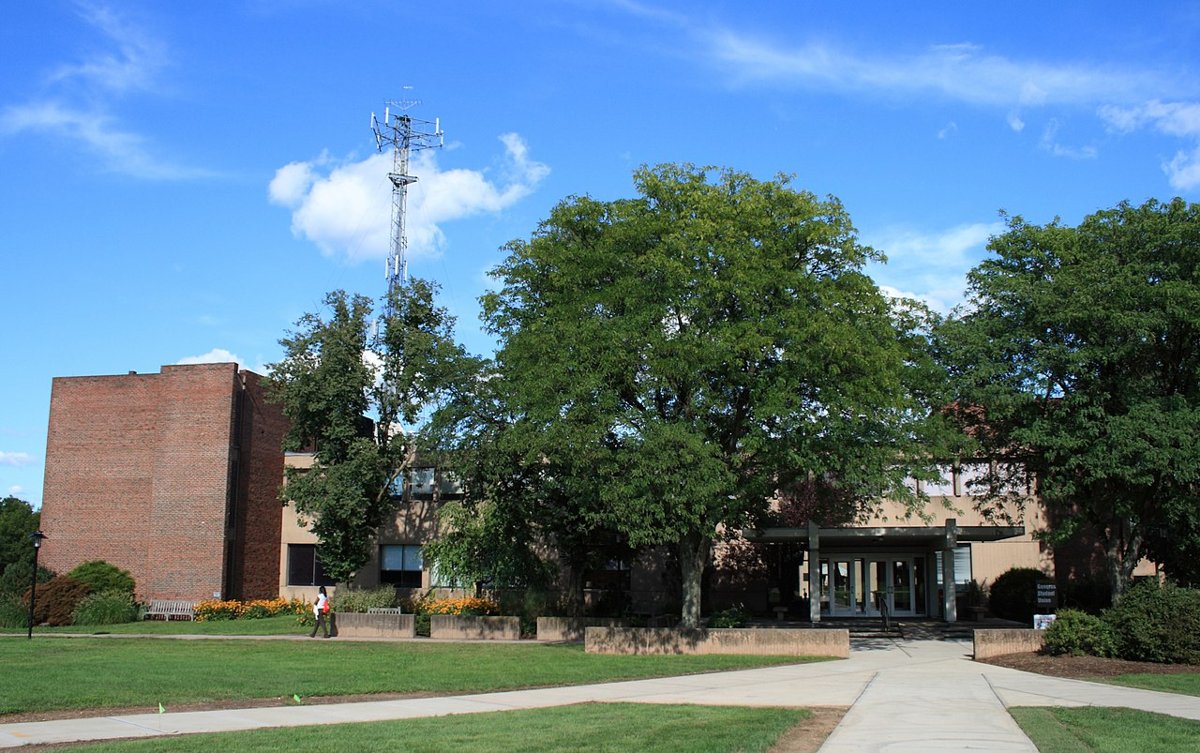
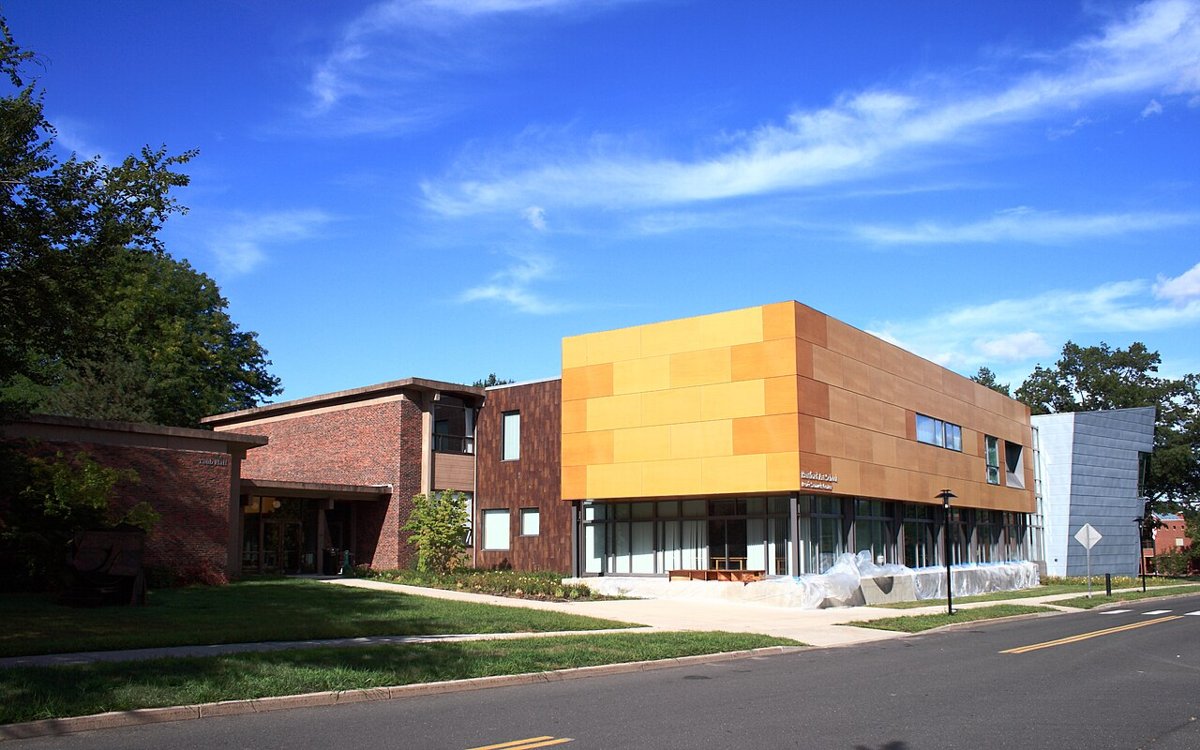
Students here balance serious academics with a close-knit community feel thanks to the 11:1 student-faculty ratio. The Hartt School of Music brings concerts and performances to campus regularly, creating an arts-infused atmosphere even for non-music majors. With only 314 student-athletes across 13 Division III sports, Hawks games draw modest but loyal crowds. Weekends often mean trips to nearby Westfarms Mall, hiking in local state parks, or taking the train to explore Hartford's museums and restaurants. The 78.85% retention rate suggests students find their groove here, though the suburban setting means you'll want a car for maximum weekend freedom.
- Setting
- City-Midsize
- Housing Capacity
- 3,009 beds
- Calendar System
- Semester
- Study Abroad
- Available
- Founded
- 1957
Campus Safety (2023)
70 total reported incidents. Source: Clery Act / U.S. Department of Education
| Offense | On Campus | Residential | Noncampus | Public Property |
|---|---|---|---|---|
| Dating Violence | 13 | 11 | 0 | 0 |
| Rape | 9 | 9 | 0 | 0 |
| Stalking | 6 | 4 | 0 | 0 |
| Burglary | 5 | 3 | 0 | 0 |
| Domestic Violence | 3 | 2 | 0 | 0 |
| Aggravated Assault | 2 | 0 | 0 | 0 |
| Fondling | 1 | 1 | 0 | 0 |
| Motor Vehicle Theft | 0 | 0 | 0 | 1 |
Climate & Weather
- January Avg
- 20°–36°F
- July Avg
- 65°–84°F
- Annual Precipitation
- 42.8"
- Annual Snowfall
- 51.7"
Student Demographics
- Men
- 43.2%
- Women
- 56.8%
- White
- 51.1%
- Black
- 16.4%
- Hispanic
- 17.3%
- Asian
- 3.9%
- In-State Students
- 41.2%
- Pell Grant Recipients
- 29.8%
Location
- Address
- West Hartford, Connecticut 06117-1599

After College
Source: College Scorecard / U.S. Department of Education
- Median Earnings (10 years)
- $60,823
- Median Earnings (5 years)
- $64,107
- Mean Earnings (6 years after entry)
- $40,300
- Loan Repayment Rate
- 66.2%
- Monthly Loan Payment
- $286/mo
- Median Debt at Graduation
- $27,000
Frequently Asked Questions
What is the acceptance rate at University of Hartford?
University of Hartford accepts 82.75% of applicants, making it moderately accessible to most students. The middle 50% of admitted students score between 1080-1290 on the SAT, reflecting the university's focus on welcoming students with diverse academic backgrounds.
How much does University of Hartford cost after financial aid?
Students pay an average net price of $29,558 annually after aid, lower than the full tuition of $47,647. Only 29.76% of students receive federal financial aid, suggesting many families can afford the private university without extensive need-based assistance.
What are the strongest academic programs at University of Hartford?
The university is particularly known for its engineering, business, and performing arts programs. With a student-faculty ratio of 11:1, students receive personalized attention across these flagship departments that have built the school's reputation.
What career outcomes do University of Hartford graduates achieve?
Graduates earn a median salary of $60,823 ten years after graduation, with a strong employment rate of 95.4%. However, the 58.30% six-year graduation rate indicates that completing a degree here requires persistence and commitment.
Where is University of Hartford located and what is campus life like?
The campus sits in West Hartford, Connecticut, a mid-sized city setting that balances suburban comfort with urban access. With housing capacity for 3,009 students and 13 varsity sports teams competing in NCAA Division III, the campus offers a close-knit community feel.
Does University of Hartford have any famous alumni?
Notable graduates include NBA player Jeremy Lin and actor Bob Crane from Hogan's Heroes, reflecting the university's diverse programs. Founded in 1957, the relatively young institution has already produced recognizable names in sports and entertainment.