

About University of Hawaii-West Oahu
The financial picture looks reasonable for Hawaiian families. In-state students pay $7,584 in tuition, while the average net price drops to $10,666 after aid. Graduates earn a median of $52,075 ten years after enrollment, well above the median debt load of $14,500. Monthly loan payments average just $154, making this degree financially manageable for most graduates. Only 30% of students receive Pell Grants, suggesting many come from middle-class backgrounds.
The student body reflects Hawaii's diversity, with 35% Asian students and 15% Hispanic students in a majority-female environment where women make up 65% of enrollment. Nearly 97% of students are Hawaii residents, creating a tight-knit community feel. The 69% retention rate suggests some students struggle with the transition to college, but the 90% employment rate shows strong job market outcomes for graduates.
Academics & Faculty
Source: College Scorecard / U.S. Department of Education
- Student-to-Faculty Ratio
- 16:1
- Full-Time Faculty
- 57.9%
- Graduation Rate (4-year)
- 39.8%
- Graduation Rate (6-year)
- 46.8%
- Retention Rate
- 69.0%
- Median Earnings (10 years)
- $52,075
- Carnegie Classification
- Baccalaureate College
Popular Programs by Earnings
| Program | Level | Median Earnings |
|---|---|---|
| Multi/Interdisciplinary Studies, Other. | Bachelor | $48,667 |
| Education, General. | Bachelor | $45,636 |
| Homeland Security. | Certificate | $38,289 |
| Business Administration, Management and Operations. | Bachelor | $37,980 |
| Public Administration. | Bachelor | $35,995 |
| Liberal Arts and Sciences, General Studies and Humanities. | Bachelor | $33,459 |
| Social Sciences, General. | Bachelor | $30,409 |
Campus Life
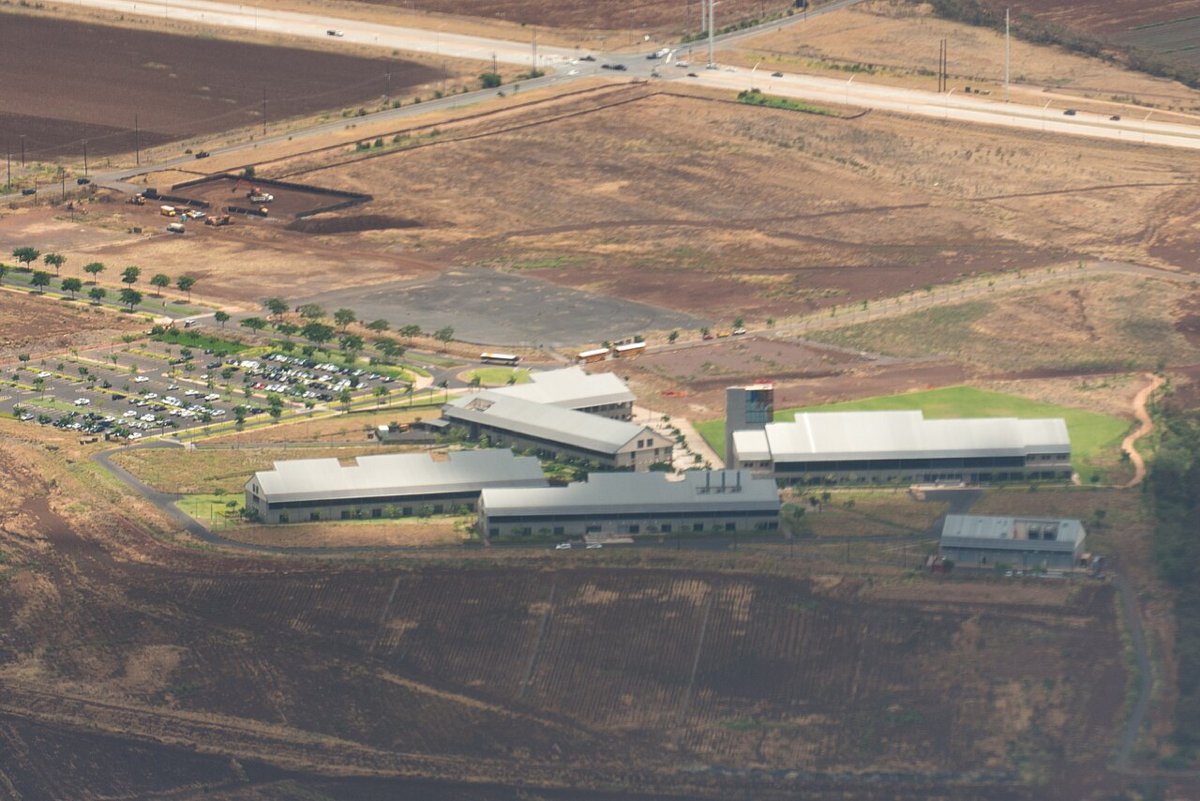
Students often head to nearby beaches on weekends or make the drive to Honolulu for nightlife and shopping. The 16:1 student-faculty ratio means professors know your name in this close-knit community of 2,510 students. Many students work part-time jobs to support themselves, contributing to the 68.98% retention rate as some take longer to complete degrees while balancing work and family obligations. The campus emphasizes Native Hawaiian values and applied learning, creating an environment where traditional island respect and modern education intersect in West Oahu's growing suburban landscape.
- Setting
- Suburb-Large
- Calendar System
- Semester
Campus Safety (2023)
No reported Clery Act crimes in 2023.
Climate & Weather
- January Avg
- 64°–81°F
- July Avg
- 72°–88°F
- Annual Precipitation
- 44.0"
- Annual Snowfall
- 0.0"
Student Demographics
- Men
- 35.0%
- Women
- 65.0%
- White
- 8.0%
- Black
- 1.9%
- Hispanic
- 15.3%
- Asian
- 35.2%
- In-State Students
- 96.6%
- Pell Grant Recipients
- 29.7%
Location
- Address
- Kapolei, Hawaii 96707-4507
After College
Source: College Scorecard / U.S. Department of Education
- Median Earnings (10 years)
- $52,075
- Median Earnings (5 years)
- $52,678
- Mean Earnings (6 years after entry)
- $38,300
- Loan Repayment Rate
- 59.1%
- Monthly Loan Payment
- $154/mo
- Median Debt at Graduation
- $14,500
Frequently Asked Questions
What is the acceptance rate at University of Hawaii-West Oahu?
The acceptance rate is 96.37%, making this one of the most accessible four-year universities in Hawaii. The school focuses on serving West Oahu's diverse community with an emphasis on applied learning and Native Hawaiian values.
How much does University of Hawaii-West Oahu cost after financial aid?
The average net price is $10,666 annually, with students from families earning under $30,000 paying just $8,030. In-state tuition starts at $7,584, making it an affordable option for local students seeking a bachelor's degree.
What is the student-faculty ratio at University of Hawaii-West Oahu?
The student-faculty ratio is 16:1 among the 2,510 enrolled students. This relatively small size allows for more personalized attention in a suburban Kapolei setting that emphasizes hands-on, applied learning approaches.
What are the graduation rates at University of Hawaii-West Oahu?
The four-year graduation rate is 39.81%, while the six-year rate reaches 46.80%. Graduates earn a median of $52,075 ten years after enrollment, reflecting the school's focus on practical career preparation.
Where is University of Hawaii-West Oahu located and what is the campus like?
The campus sits in Kapolei, a large suburban area in West Oahu that serves as a growing population center. With 96.55% in-state students and a strong Native Hawaiian cultural foundation, the university maintains deep community roots.
What makes University of Hawaii-West Oahu unique in terms of student diversity?
Asian students comprise 35.22% of enrollment while Hispanic students make up 15.26%, creating remarkable ethnic diversity. Women represent 65.02% of students, and the school's commitment to Native Hawaiian values shapes its distinctive educational approach.
Similar Schools

University of Maine at Presque Isle
Presque Isle, Maine

University of Pittsburgh-Johnstown
Johnstown, Pennsylvania

SUNY College of Technology at Canton
Canton, New York

College of Coastal Georgia
Brunswick, Georgia

University of Puerto Rico-Bayamon
Bayamon, Puerto Rico

Oregon Institute of Technology
Klamath Falls, Oregon