About University of Houston-Downtown
The financial picture tells a story of accessibility with modest returns. Students pay an average net price of $14,623 after aid, with those from families earning under $30,000 paying just $13,486. Graduates earn a median of $53,551 ten years after leaving, while carrying typical debt loads of $18,750. The monthly loan payment of $199 represents a manageable burden for most graduates. Over half of students receive Pell Grants, reflecting the school's mission to serve lower-income families.
The numbers reveal challenges alongside the opportunities. Just 33% of students graduate within six years, and 67% return for their second year. These rates reflect the reality of serving students who often work full-time while attending classes part-time in downtown Houston's urban environment.
Academics & Faculty
Source: College Scorecard / U.S. Department of Education
- Student-to-Faculty Ratio
- 18:1
- Full-Time Faculty
- 52.2%
- Graduation Rate (4-year)
- 32.3%
- Graduation Rate (6-year)
- 33.8%
- Retention Rate
- 67.4%
- Median Earnings (10 years)
- $53,551
- Carnegie Classification
- Master's University (Large)
Popular Programs by Earnings
| Program | Level | Median Earnings |
|---|---|---|
| Criminal Justice and Corrections. | Master | $71,015 |
| Computer Engineering Technologies/Technicians. | Bachelor | $69,338 |
| Business Administration, Management and Operations. | Master | $64,990 |
| Quality Control and Safety Technologies/Technicians. | Bachelor | $58,673 |
| Computer and Information Sciences, General. | Bachelor | $57,318 |
| Civil Engineering Technologies/Technicians. | Bachelor | $57,318 |
| Curriculum and Instruction. | Master | $52,941 |
| Business Administration, Management and Operations. | Bachelor | $50,082 |
| Management Information Systems and Services. | Bachelor | $50,022 |
| Rhetoric and Composition/Writing Studies. | Bachelor | $49,683 |
Campus Life
The subtropical climate means you'll need air conditioning year-round but rarely a heavy coat. Students often grab lunch at food trucks parked around campus or explore Houston's famous restaurant scene just blocks away. With 61.79% women and 58.56% Hispanic students, the campus reflects Houston's diverse character. Weekend social life typically happens off-campus since this isn't a traditional college town experience.
The urban setting means internships and part-time jobs are walking distance away. Many students work while attending classes, contributing to the 67.41% retention rate as some balance demanding schedules. The Gators don't have big-time athletics, so school spirit centers more around academic achievements and professional networking events that connect students to Houston's business community.
- Setting
- City-Large
- Calendar System
- Semester
- Study Abroad
- Available
Campus Safety (2023)
8 total reported incidents. Source: Clery Act / U.S. Department of Education
| Offense | On Campus | Residential | Noncampus | Public Property |
|---|---|---|---|---|
| Motor Vehicle Theft | 4 | 0 | 0 | 0 |
| Burglary | 1 | 0 | 0 | 0 |
| Domestic Violence | 1 | 0 | 0 | 0 |
| Fondling | 1 | 0 | 0 | 0 |
| Rape | 1 | 0 | 0 | 0 |
Climate & Weather
- January Avg
- 44°–62°F
- July Avg
- 76°–93°F
- Annual Precipitation
- 54.1"
- Annual Snowfall
- 0.0"
Student Demographics
- Men
- 38.2%
- Women
- 61.8%
- White
- 11.0%
- Black
- 16.9%
- Hispanic
- 58.6%
- Asian
- 8.2%
- In-State Students
- 99.3%
- Pell Grant Recipients
- 51.6%
Location
- Address
- Houston, Texas 77002-1014
After College
Source: College Scorecard / U.S. Department of Education
- Median Earnings (10 years)
- $53,551
- Median Earnings (5 years)
- $59,780
- Mean Earnings (6 years after entry)
- $42,500
- Loan Repayment Rate
- 42.7%
- Monthly Loan Payment
- $199/mo
- Median Debt at Graduation
- $18,750
Frequently Asked Questions
What is the acceptance rate at University of Houston-Downtown?
University of Houston-Downtown accepts 88.42% of applicants with an average SAT score of 1030. The school serves as an accessible entry point to higher education for Houston's diverse population, particularly first-generation college students.
How much does University of Houston-Downtown cost after financial aid?
The average net price is $14,623, with 51.62% of students receiving Pell Grants. Students from families earning under $30,000 pay just $13,486 after aid, making this one of Houston's most affordable four-year options.
What is the student-faculty ratio at University of Houston-Downtown?
The student-faculty ratio is 18:1 among the university's 12,812 students. UHD focuses on practical programs like business and criminal justice that prepare students for Houston's job market.
What are the graduation rates at University of Houston-Downtown?
The six-year graduation rate is 33.80% with a retention rate of 67.41%. Despite these challenges, graduates earn a median salary of $53,551 ten years after starting college, reflecting strong employment prospects in Houston's diverse economy.
Where is University of Houston-Downtown located?
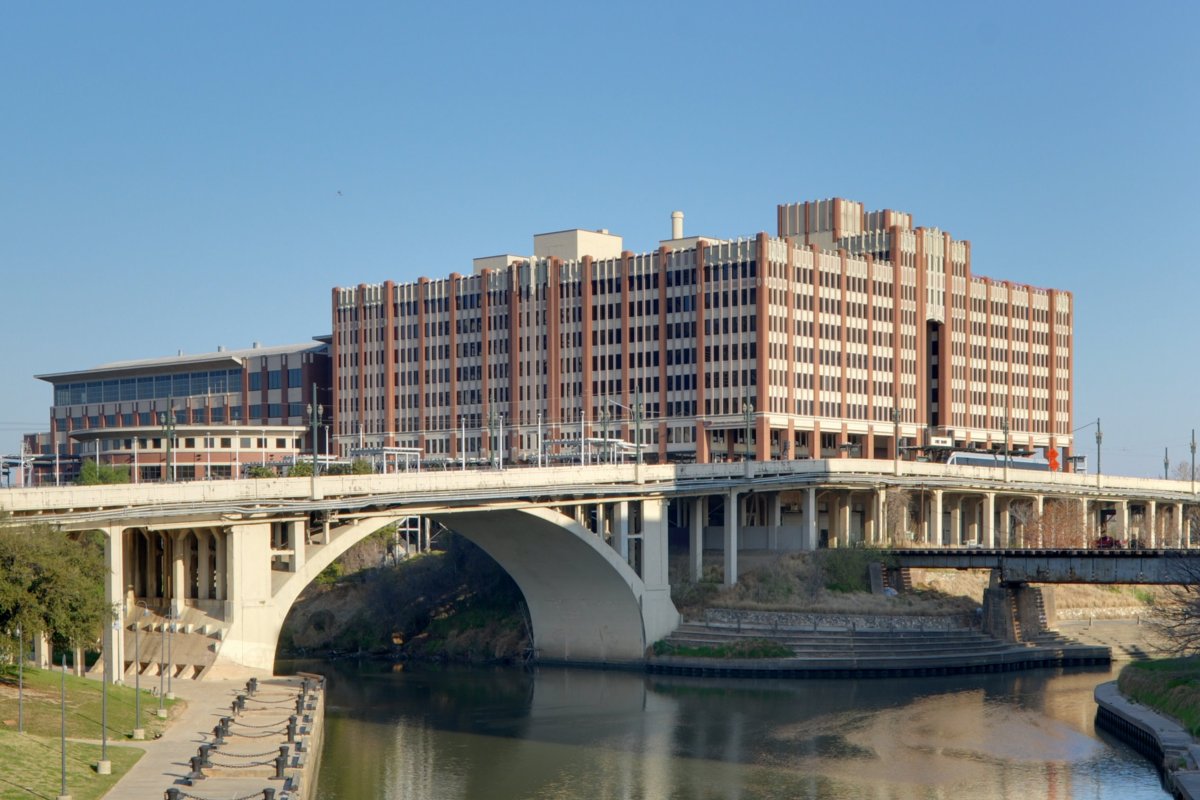
The campus sits in downtown Houston, serving 99.33% in-state students. Students have direct access to internships and jobs in one of America's largest business districts while attending classes in the heart of the nation's fourth-largest city.
What is the demographic makeup of University of Houston-Downtown?
The student body is 58.56% Hispanic, 16.91% Black, and 61.79% women. This reflects Houston's status as one of America's most diverse cities, with UHD serving as a gateway to higher education for underrepresented communities.