
About University of La Verne
The financial picture tells a story of accessibility despite the $47,000 sticker price. Students actually pay an average of $26,925 after aid, making this private education surprisingly affordable. Graduates earn a median of $65,464 ten years after graduation while carrying typical debt of $23,500. That translates to manageable monthly loan payments of $249, suggesting the investment pays off for most students.
La Verne's student body reflects Southern California's demographics, with 63% Hispanic students making it one of the state's most diverse private universities. Nearly half of all students receive Pell Grants, indicating the school serves many first-generation college students. The 65% six-year graduation rate shows room for improvement, but the 92.5% employment rate demonstrates that graduates find work in the competitive California market.
Academics & Faculty
Source: College Scorecard / U.S. Department of Education
- Student-to-Faculty Ratio
- 11:1
- Full-Time Faculty
- 28.1%
- Graduation Rate (4-year)
- 64.4%
- Graduation Rate (6-year)
- 65.4%
- Retention Rate
- 76.3%
- Median Earnings (10 years)
- $65,464
- Carnegie Classification
- Doctoral/Professional University
Popular Programs by Earnings
| Program | Level | Median Earnings |
|---|---|---|
| Educational Administration and Supervision. | Doctoral | $114,730 |
| Educational Administration and Supervision. | Certificate | $91,744 |
| Clinical, Counseling and Applied Psychology. | Master | $86,129 |
| Business Administration, Management and Operations. | Master | $69,657 |
| Human Resources Management and Services. | Master | $69,338 |
| Health and Medical Administrative Services. | Master | $67,324 |
| Psychology, Other. | Doctoral | $65,765 |
| Public Administration. | Master | $63,501 |
| Student Counseling and Personnel Services. | Master | $61,516 |
| Public Administration. | Bachelor | $60,094 |
Campus Life
Students here embrace year-round sunshine and mild winters that rarely require more than a light jacket. The diverse student body reflects California's demographics, with 63% Hispanic enrollment creating a active multicultural atmosphere. Weekends often involve NCAA Division III Leopards games or trips to nearby hiking trails in the San Gabriel Mountains. With 18 varsity sports but no athletic scholarships, student-athletes compete for love of the game rather than financial incentives. The 76% retention rate suggests students find their groove here, though the suburban setting means entertainment options require some creativity or a drive to LA's beaches and entertainment districts.
- Setting
- Suburb-Large
- Housing Capacity
- 934 beds
- Calendar System
- Semester
- Study Abroad
- Available
- Founded
- 1891
Campus Safety (2023)
16 total reported incidents. Source: Clery Act / U.S. Department of Education
| Offense | On Campus | Residential | Noncampus | Public Property |
|---|---|---|---|---|
| Dating Violence | 2 | 2 | 0 | 0 |
| Rape | 2 | 2 | 0 | 0 |
| Fondling | 2 | 1 | 0 | 0 |
| Stalking | 1 | 1 | 0 | 0 |
| Aggravated Assault | 1 | 0 | 0 | 0 |
| Burglary | 1 | 0 | 0 | 0 |
| Motor Vehicle Theft | 1 | 0 | 0 | 0 |
Climate & Weather
- January Avg
- 43°–67°F
- July Avg
- 62°–90°F
- Annual Precipitation
- 14.5"
- Annual Snowfall
- 0.0"
Student Demographics
- Men
- 38.7%
- Women
- 61.3%
- White
- 15.7%
- Black
- 7.9%
- Hispanic
- 63.2%
- Asian
- 5.3%
- In-State Students
- 93.2%
- Pell Grant Recipients
- 47.5%
Location
- Address
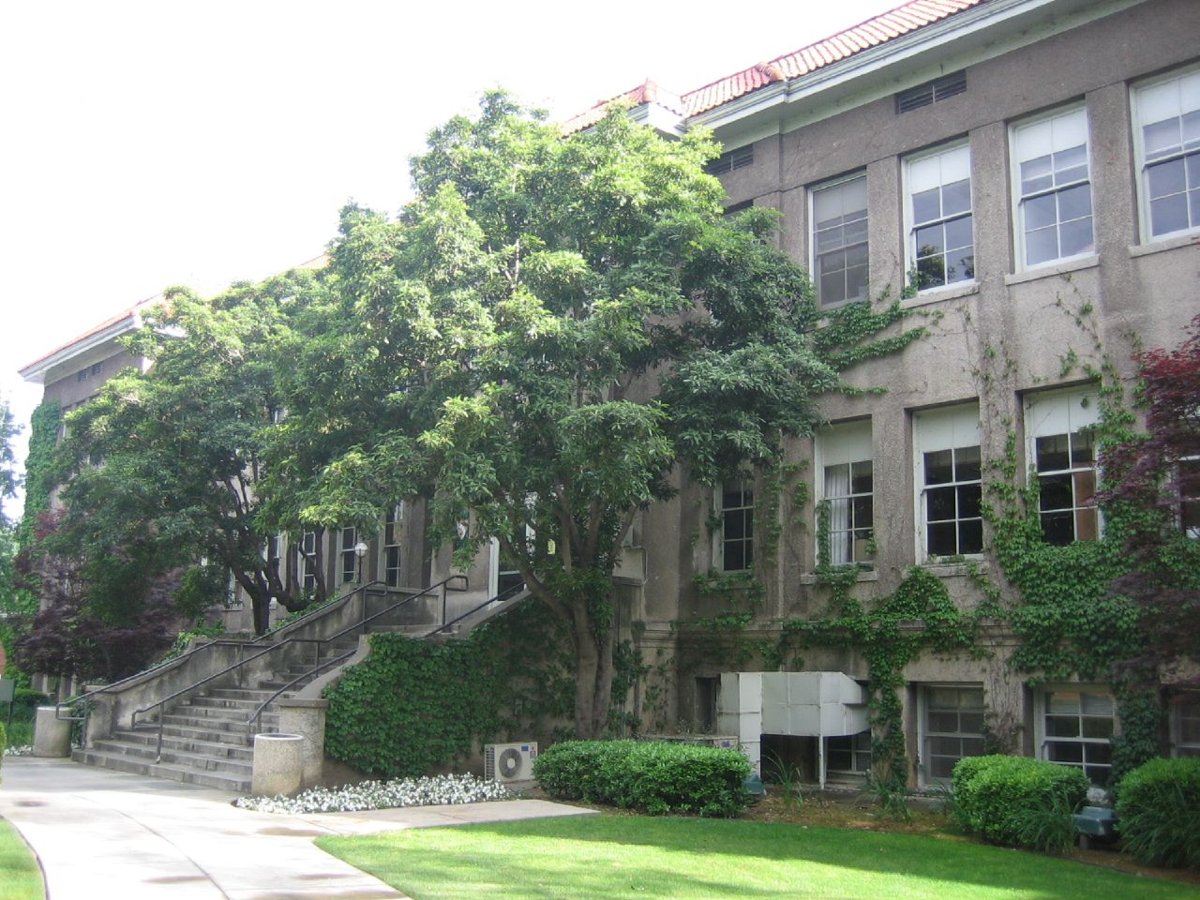
- La Verne, California 91750-4401
After College
Source: College Scorecard / U.S. Department of Education
- Median Earnings (10 years)
- $65,464
- Median Earnings (5 years)
- $64,663
- Mean Earnings (6 years after entry)
- $45,800
- Loan Repayment Rate
- 52.2%
- Monthly Loan Payment
- $249/mo
- Median Debt at Graduation
- $23,500
Frequently Asked Questions
What is the acceptance rate at University of La Verne?
University of La Verne accepts 73.51% of applicants with an average SAT score of 1137. The school attracts students seeking a close-knit learning environment in Southern California's foothills.
How much does University of La Verne cost after financial aid?
The average net price is $26,925 despite a sticker price of $47,000 in tuition. Nearly half of students receive Pell Grants, reflecting the university's commitment to serving first-generation college students.
What is the student-faculty ratio at University of La Verne?
The 11:1 student-faculty ratio ensures personalized attention in small classes. This intimate academic setting helps explain why the school is known for mentorship and hands-on learning opportunities.
What are the career outcomes for University of La Verne graduates?
Graduates earn a median salary of $65,464 ten years after enrollment with a 92.5% employment rate. The strong alumni network in Southern California opens doors in business, education, and nonprofit sectors.
Where do University of La Verne students live on campus?
Housing capacity accommodates 934 students out of 3,341 total enrollment. The residential community creates lasting friendships on the tree-lined campus in the San Gabriel Valley.
Is University of La Verne a diverse campus?
Hispanic students comprise 63.24% of enrollment, making it a Hispanic-Serving Institution. Women represent 61.30% of students, and 93.18% come from California, creating a close-knit community.