
About University of Louisville
Students pay an average net price of $17,634 after financial aid, making this education surprisingly affordable for a major research university. Graduates earn a median of $53,899 ten years after graduation, while carrying typical debt loads of $20,500. The math works in students' favor, with monthly loan payments averaging just $217. Nearly 29% of students receive Pell Grants, reflecting the university's commitment to serving working-class families.
The Cardinals compete in the ACC with 19 varsity sports and award over $17 million in athletic scholarships. With 76% of students coming from Kentucky, the campus maintains strong local connections while drawing talent from across the region. The 14:1 student-faculty ratio ensures personal attention despite the university's research focus.
Academics & Faculty
Source: College Scorecard / U.S. Department of Education
- Student-to-Faculty Ratio
- 14:1
- Full-Time Faculty
- 56.4%
- Graduation Rate (4-year)
- 61.4%
- Graduation Rate (6-year)
- 60.7%
- Retention Rate
- 80.6%
- Median Earnings (10 years)
- $53,899
- Carnegie Classification
- Doctoral University (R1)
Popular Programs by Earnings
| Program | Level | Median Earnings |
|---|---|---|
| Advanced/Graduate Dentistry and Oral Sciences. | Master | $163,702 |
| Dentistry. | Doctoral | $119,805 |
| Registered Nursing, Nursing Administration, Nursing Research and Clinical Nursing. | Master | $95,473 |
| Criminal Justice and Corrections. | Certificate | $83,177 |
| Mechanical Engineering. | Master | $81,929 |
| Electrical, Electronics and Communications Engineering. | Master | $79,967 |
| Chemical Engineering. | Bachelor | $77,715 |
| Engineering-Related Fields. | Master | $74,953 |
| Computer Engineering. | Master | $73,446 |
| Industrial Engineering. | Master | $69,757 |
Campus Life
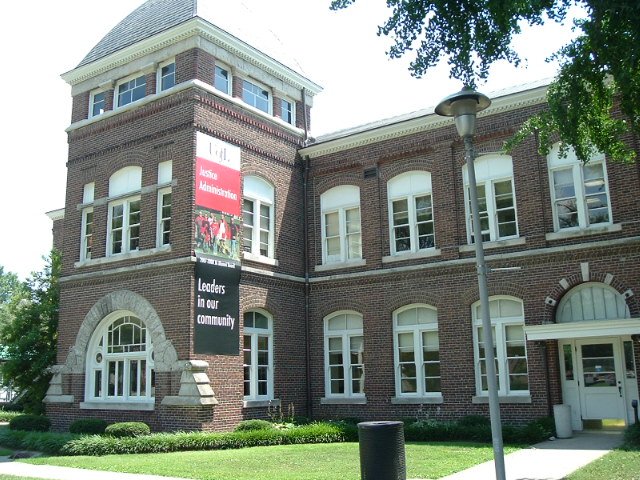
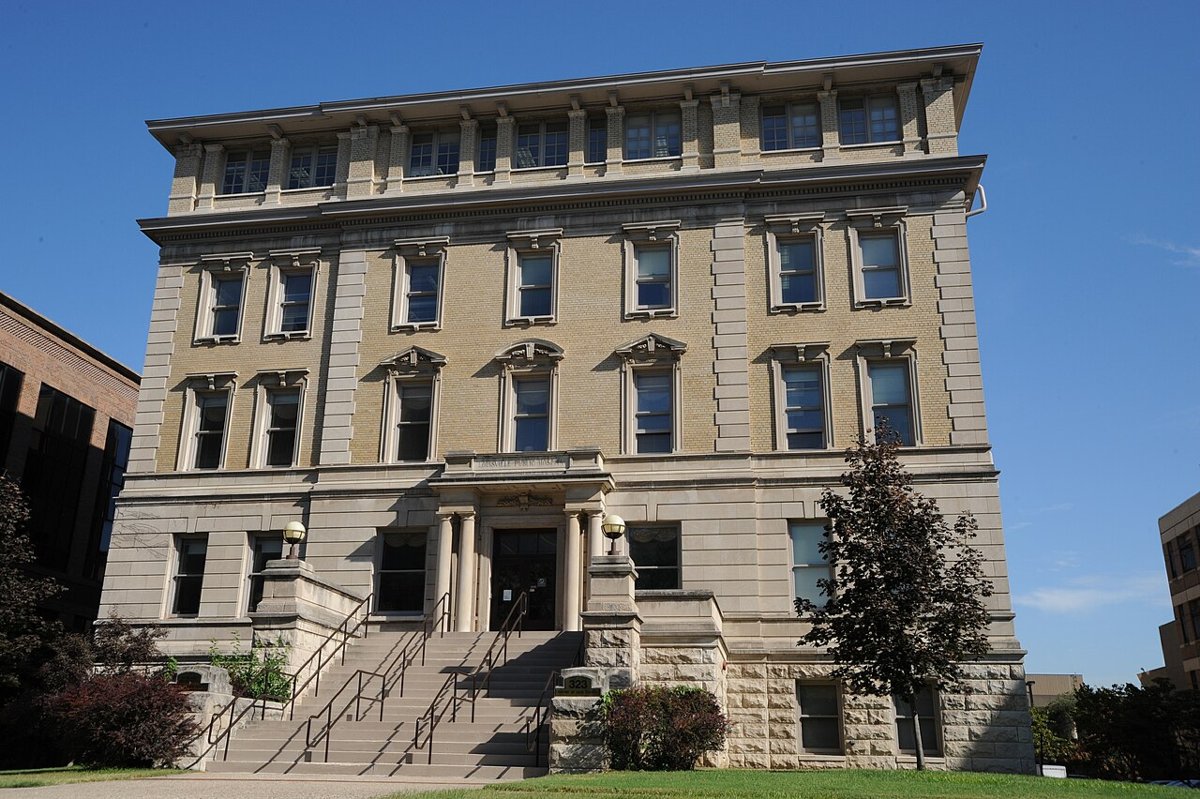
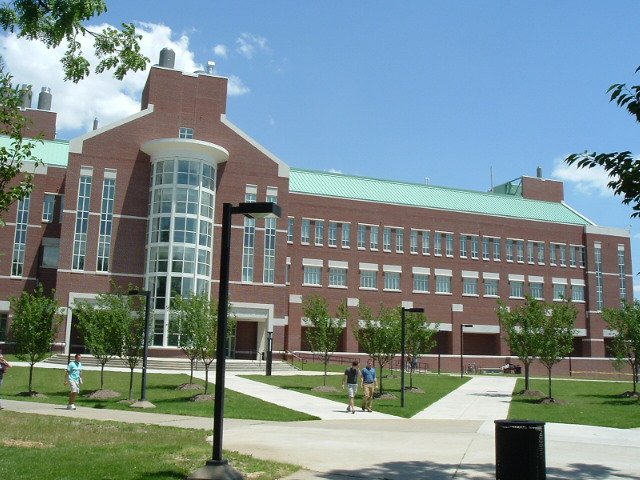
Basketball dominates campus culture, especially when the Cardinals face their fierce rival University of Kentucky. The 80.58% retention rate suggests students find their place here, whether through the strong pre-med programs that feed into the respected medical school or the active Greek life scene. With 76.45% of students from Kentucky, the campus maintains a distinctly local feel. Weekends center around Cardinal sports, exploring Louisville's famous bourbon distilleries and music venues, or heading to nearby parks along the Ohio River. The 14:1 student-faculty ratio means professors know your name, while the city location provides internships and research opportunities that help explain why 95.8% of graduates find employment.
- Setting
- City-Large
- Housing Capacity
- 3,942 beds
- Calendar System
- Semester
- Study Abroad
- Available
- Founded
- 1798
Campus Safety (2023)
278 total reported incidents. Source: Clery Act / U.S. Department of Education
| Offense | On Campus | Residential | Noncampus | Public Property |
|---|---|---|---|---|
| Motor Vehicle Theft | 60 | 2 | 0 | 7 |
| Dating Violence | 23 | 22 | 0 | 1 |
| Burglary | 25 | 12 | 0 | 0 |
| Stalking | 21 | 14 | 0 | 0 |
| Domestic Violence | 15 | 8 | 1 | 2 |
| Aggravated Assault | 9 | 7 | 0 | 4 |
| Fondling | 13 | 5 | 1 | 1 |
| Rape | 7 | 7 | 0 | 1 |
| Robbery | 2 | 0 | 0 | 6 |
| Arson | 1 | 1 | 0 | 0 |
Climate & Weather
- January Avg
- 27°–43°F
- July Avg
- 70°–89°F
- Annual Precipitation
- 48.3"
- Annual Snowfall
- 13.4"
Student Demographics
- Men
- 43.8%
- Women
- 56.2%
- White
- 62.6%
- Black
- 15.6%
- Hispanic
- 8.3%
- Asian
- 5.5%
- In-State Students
- 76.5%
- Pell Grant Recipients
- 28.8%
Location
- Address
- Louisville, Kentucky 40292-0001
After College
Source: College Scorecard / U.S. Department of Education
- Median Earnings (10 years)
- $53,899
- Median Earnings (5 years)
- $58,801
- Mean Earnings (6 years after entry)
- $38,200
- Loan Repayment Rate
- 58.5%
- Monthly Loan Payment
- $217/mo
- Median Debt at Graduation
- $20,500
Frequently Asked Questions
What is the acceptance rate at University of Louisville?
University of Louisville accepts 81.54% of applicants with an average SAT score of 1170. This makes it accessible to most students who meet basic academic standards. The school draws heavily from Kentucky, with 76.45% of students coming from in-state.
How much does University of Louisville cost after financial aid?
The average net price is $17,634 annually, though this varies by family income. Students from families earning under $30,000 pay just $13,768 on average. Graduates typically leave with $20,500 in debt and monthly loan payments of $217.
What is University of Louisville known for academically?
The university operates as a major research institution with a particularly strong medical school. Students benefit from a 14:1 student-faculty ratio across the school's programs. The campus houses 14,187 students who can choose from a wide range of undergraduate and graduate offerings.
What are the career outcomes for University of Louisville graduates?
Graduates earn a median salary of $53,899 ten years after graduation with a 95.8% employment rate. The school maintains a 60.70% six-year graduation rate. Alumni have gone on to notable careers, including Academy Award winner Jennifer Lawrence and NFL MVP Lamar Jackson.
Where is University of Louisville located and what is campus life like?
The campus sits in Louisville, Kentucky, offering students access to a major metropolitan area. On-campus housing accommodates 3,942 students with room and board costing $11,690 annually. The student body is 56.16% female and 62.59% white, creating a diverse urban campus environment.
How competitive is University of Louisville's basketball program?
The Cardinals compete in NCAA Division I as part of the Atlantic Coast Conference with 19 varsity sports. The athletic program awards $17,088,951 in scholarships to 639 student-athletes. Basketball remains the school's flagship sport, contributing to the university's national recognition and rivalry with the University of Kentucky.