About University of Maine at Augusta
Students pay an average net price of $11,353 after financial aid, making this one of Maine's most affordable options. Graduates earn a median of $40,342 ten years after graduation with typical debt of $22,734. The monthly loan payment of $241 represents a manageable burden for most graduates. With 92% of students coming from Maine, UMA clearly serves its home state's workforce development needs.
The school's character shows in its numbers. Only 23% of students graduate within six years, but this reflects the part-time, stop-and-go nature of adult learning rather than institutional failure. The 15:1 student-faculty ratio ensures personal attention. With just 102 beds on campus, most students commute or live nearby, reinforcing UMA's role as a practical stepping stone for Maine's working population.
Academics & Faculty
Source: College Scorecard / U.S. Department of Education
- Student-to-Faculty Ratio
- 15:1
- Full-Time Faculty
- 38.2%
- Graduation Rate (4-year)
- 23.3%
- Graduation Rate (6-year)
- 23.3%
- Retention Rate
- 62.7%
- Median Earnings (10 years)
- $40,342
- Carnegie Classification
- Baccalaureate College
Popular Programs by Earnings
| Program | Level | Median Earnings |
|---|---|---|
| Registered Nursing, Nursing Administration, Nursing Research and Clinical Nursing. | Bachelor | $53,358 |
| Computer and Information Sciences, General. | Bachelor | $49,937 |
| Registered Nursing, Nursing Administration, Nursing Research and Clinical Nursing. | Associate | $49,918 |
| Business Administration, Management and Operations. | Bachelor | $33,637 |
| Accounting and Related Services. | Bachelor | $33,281 |
| Dental Support Services and Allied Professions. | Associate | $33,138 |
| Liberal Arts and Sciences, General Studies and Humanities. | Bachelor | $29,956 |
| Mental and Social Health Services and Allied Professions. | Bachelor | $29,374 |
| Veterinary/Animal Health Technologies/Technicians. | Associate | $29,092 |
| Criminal Justice and Corrections. | Bachelor | $28,816 |
Campus Life
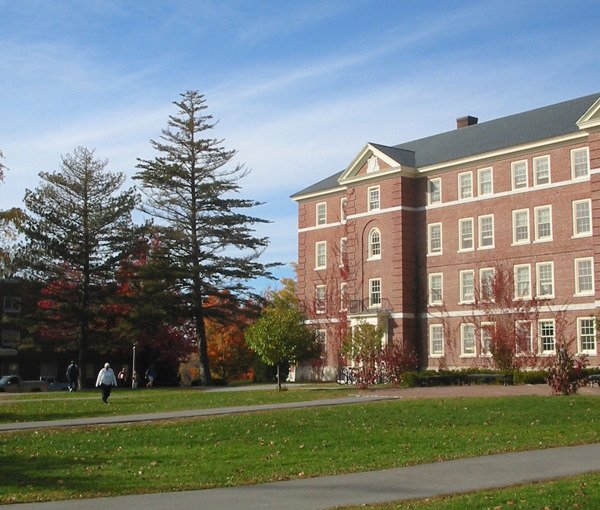
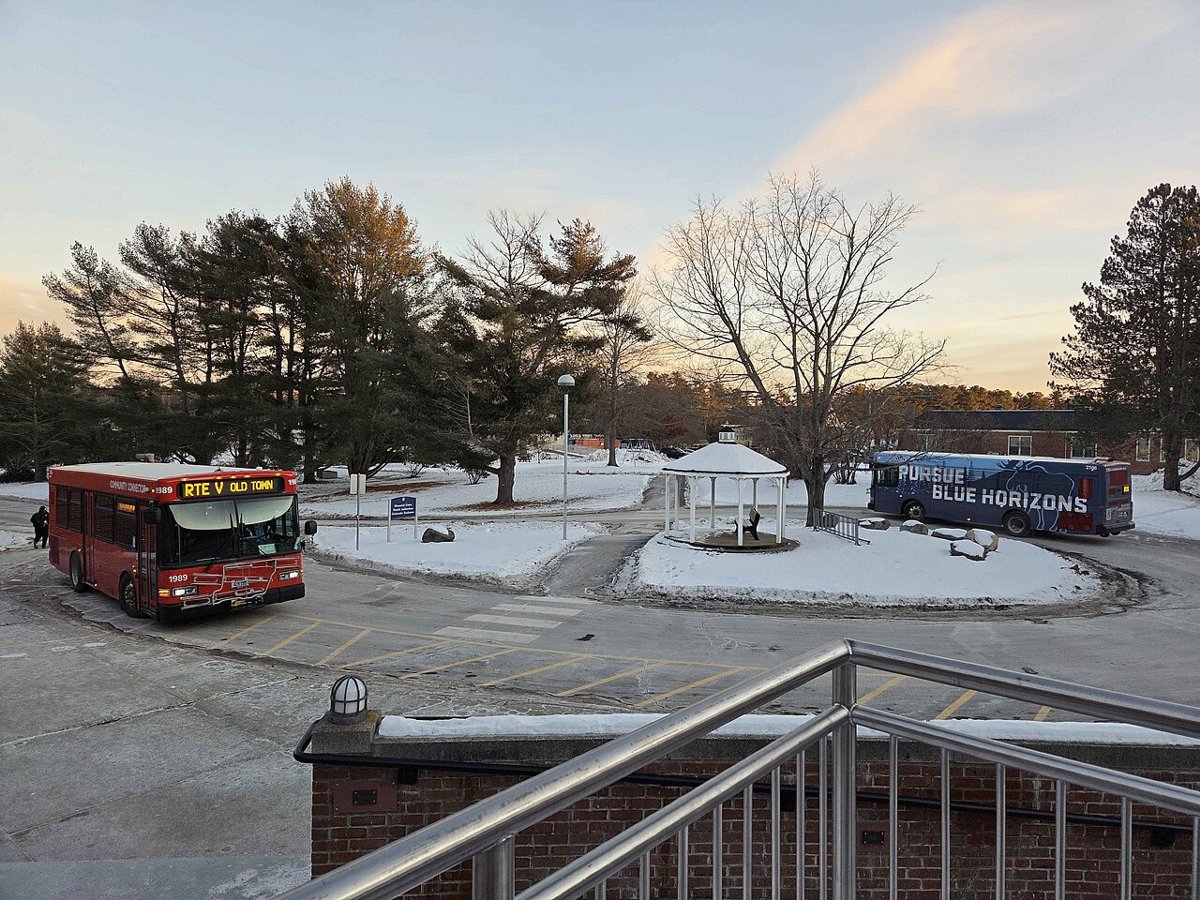
Augusta sits in a valley along the Kennebec River, where winters demand heavy coats and snow boots from November through March. Students often grab coffee downtown between classes or study at the state library nearby. With 91.53% of students from Maine, many already have ties to the area and work part-time jobs while earning degrees. Weekend life revolves more around family commitments and work schedules than traditional college parties. The Moose athletic teams compete in 12 varsity sports with just 74 total athletes, creating tight-knit teams where walk-ons often find spots. Evening and weekend classes accommodate working adults, making UMA feel more like a professional development center than a traditional college campus.
- Setting
- Town-Distant
- Housing Capacity
- 102 beds
- Calendar System
- Semester
- Study Abroad
- Available
- Founded
- 1965
Campus Safety (2023)
8 total reported incidents. Source: Clery Act / U.S. Department of Education
| Offense | On Campus | Residential | Noncampus | Public Property |
|---|---|---|---|---|
| Robbery | 0 | 0 | 0 | 3 |
| Burglary | 2 | 0 | 0 | 0 |
| Aggravated Assault | 0 | 0 | 0 | 1 |
| Arson | 0 | 0 | 0 | 1 |
| Motor Vehicle Theft | 0 | 0 | 0 | 1 |
Climate & Weather
- January Avg
- 11°–27°F
- July Avg
- 59°–79°F
- Annual Precipitation
- 41.9"
- Annual Snowfall
- -706.4"
Student Demographics
- Men
- 31.6%
- Women
- 68.4%
- White
- 81.1%
- Black
- 3.6%
- Hispanic
- 4.9%
- Asian
- 0.8%
- In-State Students
- 91.5%
- Pell Grant Recipients
- 32.0%
Location
- Address
- Augusta, Maine 04330-9410
After College
Source: College Scorecard / U.S. Department of Education
- Median Earnings (10 years)
- $40,342
- Median Earnings (5 years)
- $47,260
- Mean Earnings (6 years after entry)
- $26,000
- Loan Repayment Rate
- 40.5%
- Monthly Loan Payment
- $241/mo
- Median Debt at Graduation
- $22,734
Frequently Asked Questions
How competitive is admission to the University of Maine at Augusta?
The University of Maine at Augusta maintains a 62.65% first-year retention rate, reflecting its open-access mission as a public university designed for working adults and non-traditional students. The school prioritizes flexible admission policies over selectivity, making higher education accessible to Maine residents who might not fit traditional college student profiles.
What does the University of Maine at Augusta cost after financial aid?
Students pay an average net price of $11,353 annually, with in-state tuition at $8,618 and room and board adding $8,700. The school serves primarily Maine residents, with 91.53% of students coming from in-state, keeping costs relatively affordable for local working adults pursuing their degrees.
What academic programs is the University of Maine at Augusta known for?
The university operates with a 15:1 student-faculty ratio across flexible degree programs specifically designed for working adults and non-traditional students. With 2,759 enrolled students, the school emphasizes practical, career-focused education that accommodates busy adult schedules rather than traditional residential college experiences.
What are the job prospects after graduating from the University of Maine at Augusta?
Graduates earn a median salary of $40,342 ten years after graduation, with a 91.6% employment rate showing strong job placement success. However, the 23.30% six-year graduation rate reflects the challenges many working adult students face in completing their degrees while balancing other life responsibilities.
Does the University of Maine at Augusta have a traditional campus experience?
The university has housing capacity for only 102 students, reflecting its focus on commuter and adult learners rather than traditional residential college life. With 68.39% women and an average student age skewing older, the campus culture centers around practical education for working professionals rather than typical college social experiences.
How much student debt do University of Maine at Augusta graduates typically have?
Graduates carry a median debt of $22,734 with monthly loan payments averaging $241, which is relatively manageable given the school's focus on affordability. The 40.45% loan repayment rate indicates that many graduates successfully manage their debt loads, though this reflects the financial challenges common among non-traditional students.