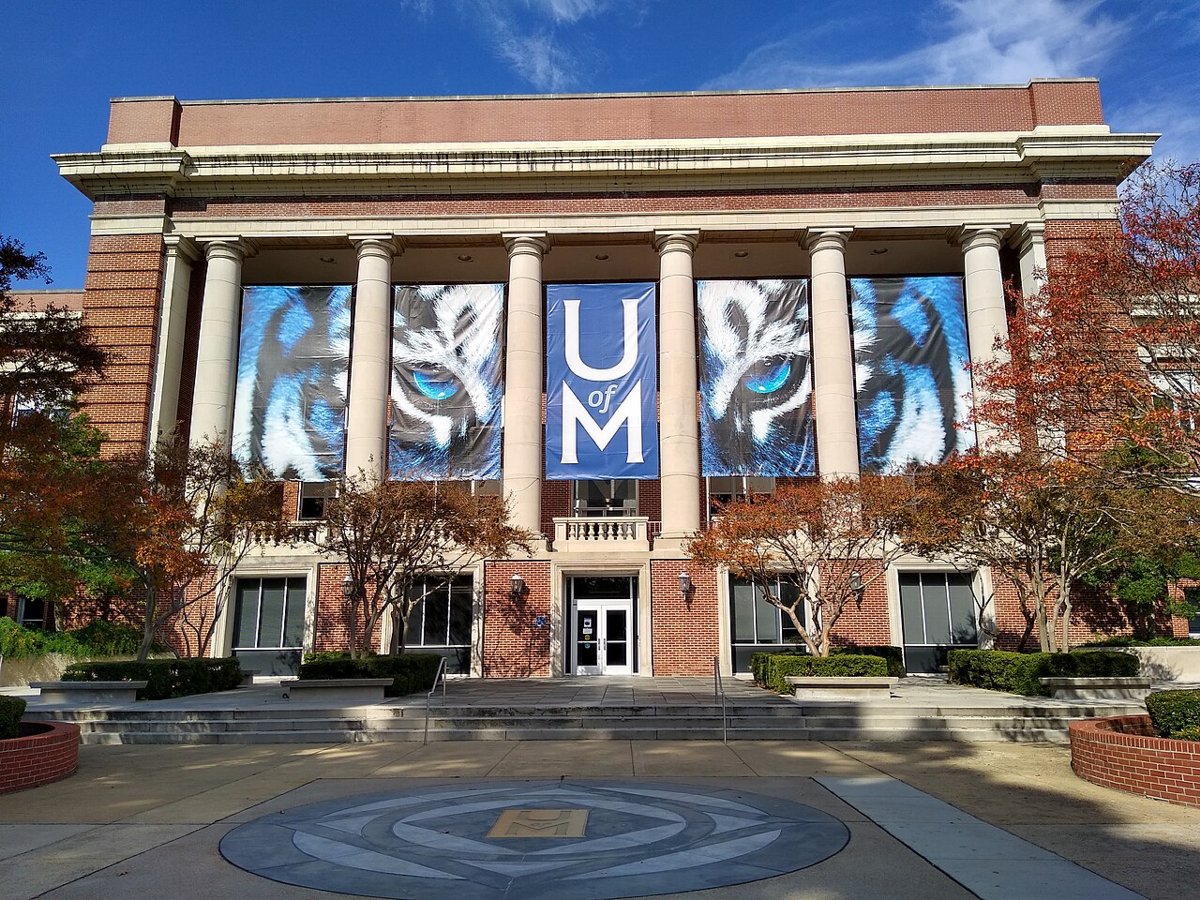
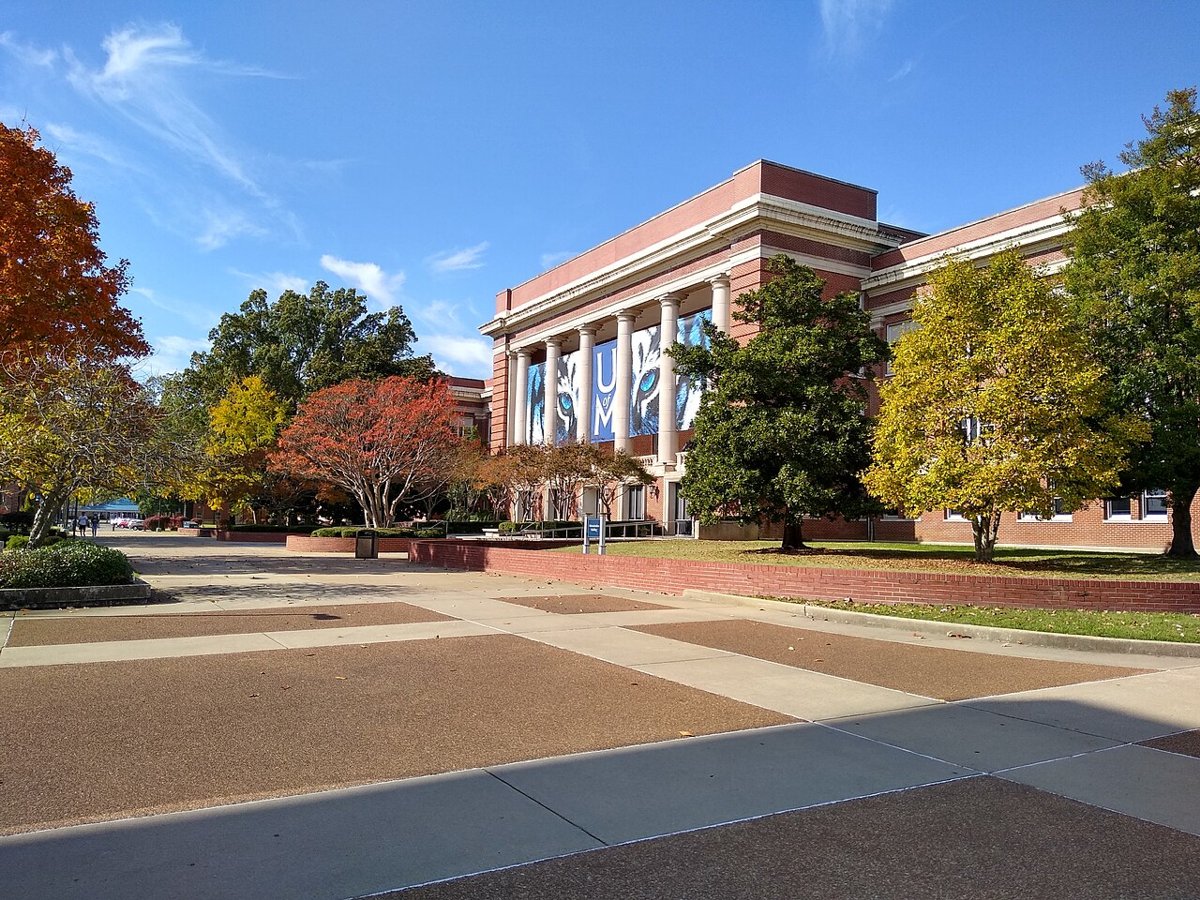
About University of Memphis
The financial picture shows solid value for Tennessee families. In-state students pay $10,344 in tuition, while the average net price after aid comes to $13,253. Graduates earn a median of $48,458 ten years after graduation, making the typical debt load of $23,300 manageable. Students from families earning under $30,000 pay just $10,985 net price. The 94.6% acceptance rate means most qualified students gain admission.
Memphis operates with a 17:1 student-faculty ratio across 16 Division I sports programs. The Tigers compete in the American Conference with $8.8 million in athletic scholarships supporting 475 student-athletes. About 71% of freshmen return for sophomore year, though only 49% graduate within six years. The campus houses 2,864 students in a city known for music, barbecue, and corporate headquarters.
Academics & Faculty
Source: College Scorecard / U.S. Department of Education
- Student-to-Faculty Ratio
- 17:1
- Full-Time Faculty
- 71.2%
- Graduation Rate (4-year)
- 48.8%
- Graduation Rate (6-year)
- 49.4%
- Retention Rate
- 71.2%
- Median Earnings (10 years)
- $48,458
- Carnegie Classification
- Doctoral University (R1)
Popular Programs by Earnings
| Program | Level | Median Earnings |
|---|---|---|
| Registered Nursing, Nursing Administration, Nursing Research and Clinical Nursing. | Master | $90,482 |
| Business Administration, Management and Operations. | Master | $73,446 |
| Curriculum and Instruction. | Doctoral | $66,821 |
| Electrical, Electronics and Communications Engineering. | Bachelor | $63,749 |
| Education, General. | Master | $63,600 |
| Health and Medical Administrative Services. | Master | $63,005 |
| Accounting and Related Services. | Master | $61,516 |
| Engineering Technology, General. | Bachelor | $61,020 |
| Mechanical Engineering. | Bachelor | $60,623 |
| Communication Disorders Sciences and Services. | Master | $59,788 |
Campus Life
Basketball dominates campus life during season, especially with former NBA star Penny Hardaway coaching the Tigers. Students often head to Beale Street downtown for live blues music or gather at local barbecue joints that make Memphis famous. With 82.6% of students from Tennessee, many go home on weekends, but those who stay explore Graceland, the Civil Rights Museum, or the Mississippi River. The 17:1 student-faculty ratio means smaller class discussions, though the 94.6% acceptance rate creates a welcoming environment for students with varying academic backgrounds. FedEx's headquarters nearby provides internship opportunities, reflecting the university's business program strength.
- Setting
- City-Large
- Housing Capacity
- 2,864 beds
- Calendar System
- Semester
- Study Abroad
- Available
- Founded
- 1912
Campus Safety (2023)
144 total reported incidents. Source: Clery Act / U.S. Department of Education
| Offense | On Campus | Residential | Noncampus | Public Property |
|---|---|---|---|---|
| Motor Vehicle Theft | 66 | 0 | 0 | 0 |
| Domestic Violence | 13 | 13 | 0 | 0 |
| Burglary | 7 | 7 | 0 | 0 |
| Aggravated Assault | 5 | 5 | 0 | 0 |
| Robbery | 5 | 5 | 0 | 0 |
| Rape | 3 | 3 | 0 | 0 |
| Stalking | 3 | 3 | 0 | 0 |
| Fondling | 2 | 2 | 0 | 0 |
| Arson | 1 | 1 | 0 | 0 |
Climate & Weather
- January Avg
- 33°–50°F
- July Avg
- 73°–91°F
- Annual Precipitation
- 54.9"
- Annual Snowfall
- 2.7"
Student Demographics
- Men
- 39.7%
- Women
- 60.3%
- White
- 36.8%
- Black
- 40.6%
- Hispanic
- 11.0%
- Asian
- 4.7%
- In-State Students
- 82.6%
- Pell Grant Recipients
- 40.0%
Location
- Address
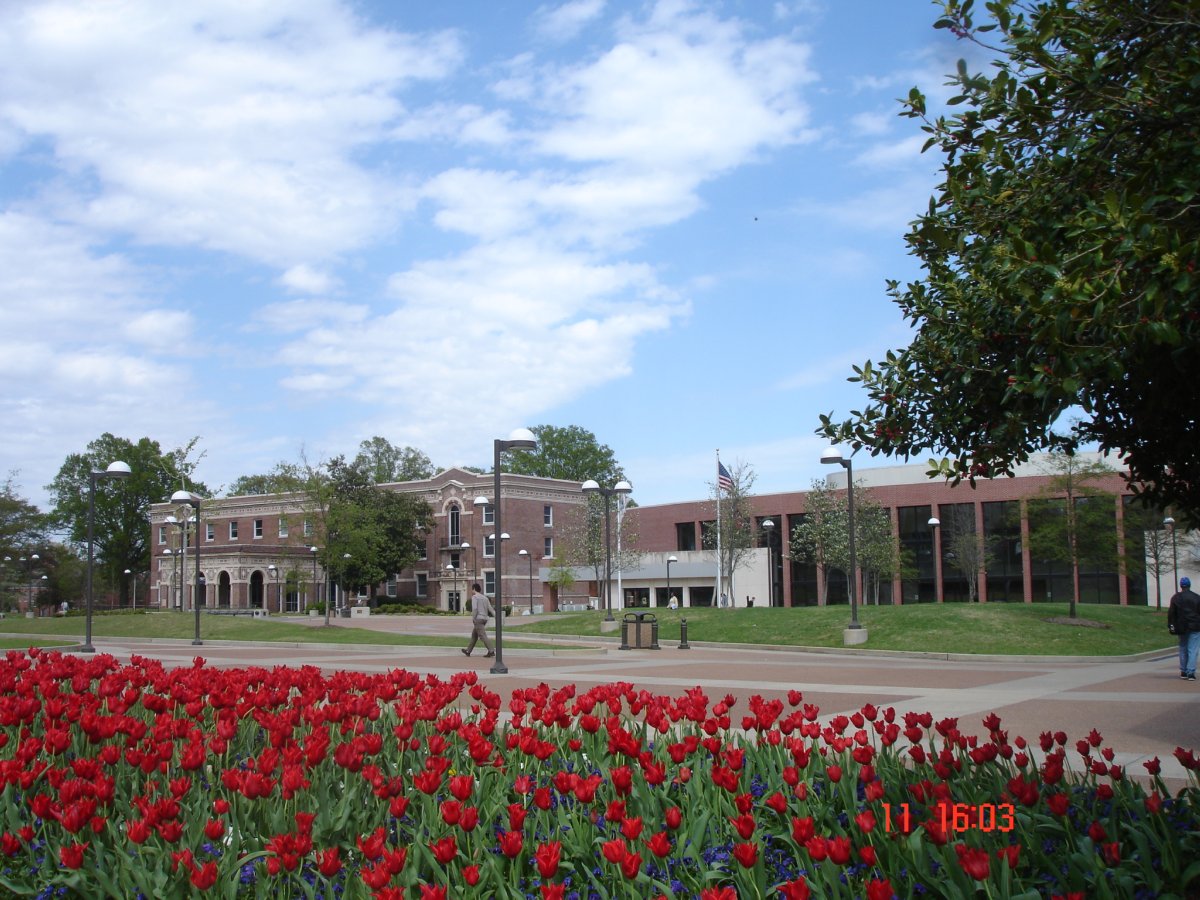
- Memphis, Tennessee 38152
After College
Source: College Scorecard / U.S. Department of Education
- Median Earnings (10 years)
- $48,458
- Median Earnings (5 years)
- $52,242
- Mean Earnings (6 years after entry)
- $35,100
- Loan Repayment Rate
- 38.4%
- Monthly Loan Payment
- $247/mo
- Median Debt at Graduation
- $23,300
Frequently Asked Questions
What is the acceptance rate at University of Memphis?
University of Memphis accepts 94.60% of applicants, making it highly accessible to students. The middle 50% of admitted students score between 930-1230 on the SAT. This open admissions approach reflects the university's mission to serve the Memphis community and provide educational opportunities to a diverse student body.
How much does University of Memphis cost after financial aid?
Students pay an average net price of $13,253 after financial aid at University of Memphis. Nearly 40% of students receive Pell Grants, indicating strong support for low-income families. The university keeps costs manageable with in-state tuition at $10,344, making it one of the more affordable public options in Tennessee.
What is the student-faculty ratio at University of Memphis?
University of Memphis maintains a 17:1 student-faculty ratio with total enrollment of 13,645 students. The university operates as a public research institution known for its business school and basketball program. Students benefit from the resources of a large university while still having reasonable access to faculty.
What are the graduation and employment outcomes at University of Memphis?
University of Memphis graduates 49.40% of students within six years, with a 94.7% employment rate after graduation. Alumni earn a median salary of $48,458 ten years after graduation. The university's location in Memphis provides strong connections to major employers like FedEx, founded by alumnus Fred Smith.
Where do University of Memphis students live on campus?
University of Memphis houses 2,864 students in on-campus facilities, serving about 21% of the total enrollment of 13,645. The majority of students are Tennessee residents (82.60%) who often commute from the greater Memphis area. The campus operates on a semester system and sits in the heart of Memphis, providing urban opportunities alongside college life.
Is University of Memphis known for its basketball program?
University of Memphis competes in NCAA Division I as part of the American Conference, with 16 varsity sports and 475 total athletes. The Tigers basketball program has produced NBA stars like Penny Hardaway and Derrick Rose. The athletic department awards $8.8 million in scholarships annually, with basketball being the flagship program that brings national attention to the university.