About University of Miami
Students face a hefty sticker price of $82,834 for total attendance costs, but the average net price drops to $36,803 after aid. Graduates earn a median of $75,328 ten years out, making the typical debt load of $17,500 quite manageable with monthly payments around $186. The investment pays off quickly, with 91.5% of graduates finding employment and strong earning potential right from graduation.
Miami's selectivity shows in its 18.94% acceptance rate and 1395 average SAT score. The 11:1 student-faculty ratio ensures personal attention despite the research university setting. As Division I Hurricanes competing in the Atlantic Coast Conference, the athletic program adds serious school spirit to campus life. The 92.15% retention rate suggests students find what they're looking for in this blend of academic prestige and active campus culture.
Academics & Faculty
Source: College Scorecard / U.S. Department of Education
- Student-to-Faculty Ratio
- 11:1
- Full-Time Faculty
- 72.1%
- Graduation Rate (4-year)
- 84.2%
- Graduation Rate (6-year)
- 84.2%
- Retention Rate
- 92.2%
- Median Earnings (10 years)
- $75,328
- Carnegie Classification
- Doctoral University (R1)
Popular Programs by Earnings
| Program | Level | Median Earnings |
|---|---|---|
| Health and Medical Administrative Services. | Master | $125,015 |
| Registered Nursing, Nursing Administration, Nursing Research and Clinical Nursing. | Doctoral | $117,572 |
| Registered Nursing, Nursing Administration, Nursing Research and Clinical Nursing. | Master | $95,591 |
| Business Administration, Management and Operations. | Master | $83,022 |
| Finance and Financial Management Services. | Master | $80,862 |
| Computer Science. | Bachelor | $78,343 |
| Biomedical/Medical Engineering. | Master | $73,446 |
| Mechanical Engineering. | Bachelor | $72,796 |
| Rehabilitation and Therapeutic Professions. | Doctoral | $71,095 |
| Aerospace, Aeronautical and Astronautical Engineering. | Bachelor | $71,015 |
Campus Life
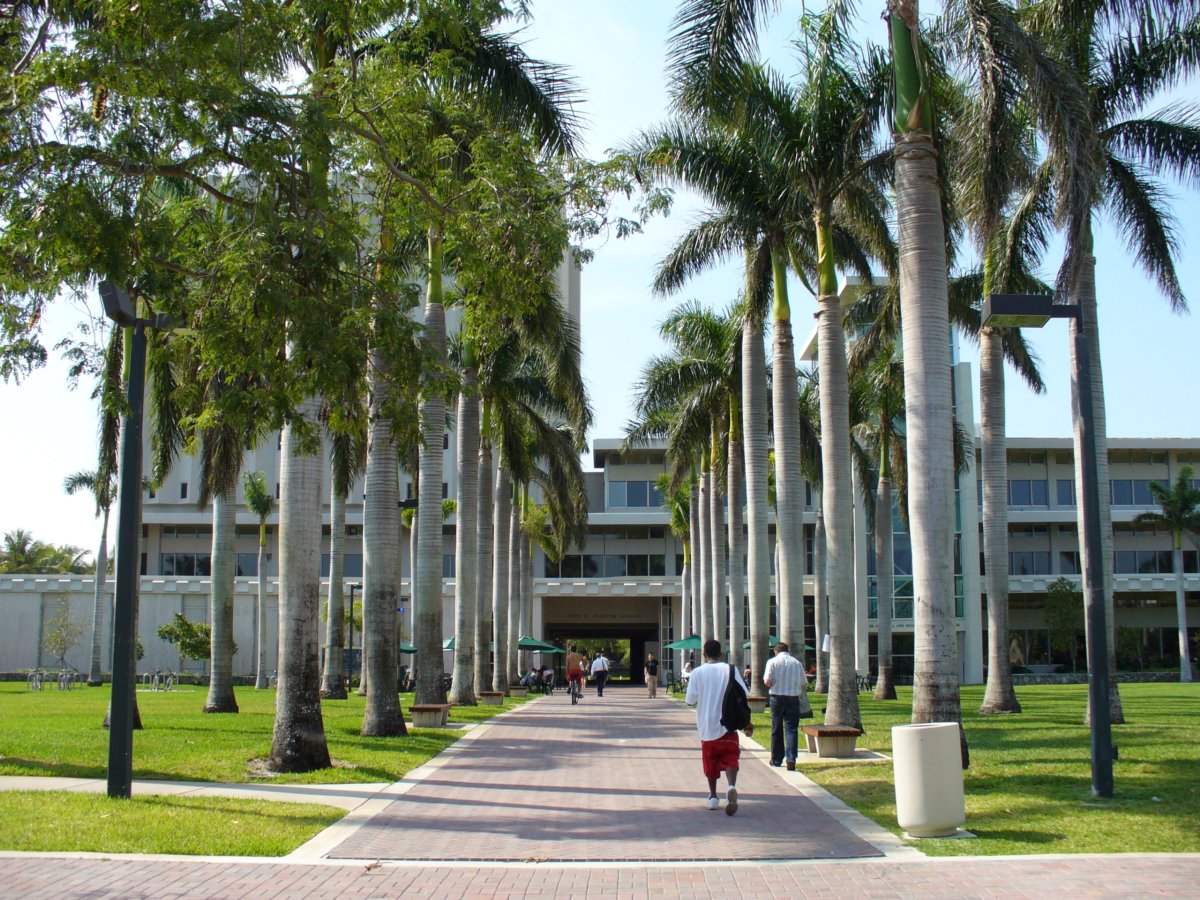
Students flock to South Beach on weekends, taking advantage of being 20 minutes from world-famous nightlife and pristine beaches. The campus itself buzzes with Division I athletics, especially when the Hurricanes football team plays at Hard Rock Stadium. Greek life dominates the social scene, with students often seen sporting designer clothes and luxury cars that reflect the school's wealthy reputation. The 11:1 student-faculty ratio means small classes, but the real draw is the Miami lifestyle. Pool parties are common, and students regularly hit Lincoln Road or Coconut Grove for shopping and dining between studying for their business or marine science programs.
- Setting
- Suburb-Large
- Housing Capacity
- 4,668 beds
- Calendar System
- Semester
- Study Abroad
- Available
- Founded
- 1925
Campus Safety (2023)
69 total reported incidents. Source: Clery Act / U.S. Department of Education
| Offense | On Campus | Residential | Noncampus | Public Property |
|---|---|---|---|---|
| Motor Vehicle Theft | 27 | 1 | 1 | 2 |
| Rape | 5 | 4 | 0 | 1 |
| Burglary | 5 | 0 | 2 | 0 |
| Domestic Violence | 6 | 0 | 0 | 0 |
| Aggravated Assault | 4 | 1 | 0 | 0 |
| Fondling | 3 | 2 | 0 | 0 |
| Arson | 1 | 1 | 0 | 0 |
| Stalking | 1 | 0 | 1 | 0 |
| Dating Violence | 0 | 0 | 1 | 0 |
Climate & Weather
- January Avg
- 63°–74°F
- July Avg
- 80°–88°F
- Annual Precipitation
- 51.0"
- Annual Snowfall
- 0.0"
Student Demographics
- Men
- 46.0%
- Women
- 54.0%
- White
- 48.3%
- Black
- 8.2%
- Hispanic
- 23.6%
- Asian
- 4.8%
- In-State Students
- 34.4%
- Pell Grant Recipients
- 15.4%
Location
- Address
- Coral Gables, Florida 33146
After College
Source: College Scorecard / U.S. Department of Education
- Median Earnings (10 years)
- $75,328
- Median Earnings (5 years)
- $73,338
- Mean Earnings (6 years after entry)
- $54,500
- Loan Repayment Rate
- 73.3%
- Monthly Loan Payment
- $186/mo
- Median Debt at Graduation
- $17,500
Frequently Asked Questions
What is the acceptance rate at University of Miami?
University of Miami accepts 18.94% of applicants, making it highly selective. Students typically need strong academic credentials, with the middle 50% scoring between 1310-1480 on the SAT. The university's reputation for excellence in business and marine science attracts competitive applicants from across the country.
How much does University of Miami cost after financial aid?
The average net price at University of Miami is $36,803 after aid, though this varies by income level. Students from families earning under $30,000 pay an average of $17,790, while those from higher-income families often pay the full tuition of $59,926. Only 15.4% of students receive need-based aid, reflecting the affluent student body this private university typically attracts.
What is University of Miami known for academically?
University of Miami maintains an 11:1 student-to-faculty ratio, ensuring small class sizes and personalized attention. The university has built a strong reputation for its business school, marine and atmospheric science programs, and communications department. With a 92.15% retention rate, students clearly find the academic environment engaging and supportive.
What do University of Miami graduates earn after college?
University of Miami graduates earn a median salary of $75,328 ten years after graduation, well above the national average. The employment rate stands at 91.5%, and graduates typically carry manageable debt loads of $17,500. The university's strong alumni network in business and entertainment, including celebrities like Dwayne Johnson and Gloria Estefan, helps open career doors.
Where is University of Miami located and what is campus life like?
University of Miami sits in the upscale suburb of Coral Gables, Florida, with 12,570 students creating a mid-sized university atmosphere. The campus houses 4,668 students in residence halls, fostering a tight-knit community feel. As the Hurricanes, the university competes in NCAA Division I athletics with 14 varsity sports, bringing school spirit and excitement to campus life.
How diverse is the student body at University of Miami?
University of Miami enrolls a student body that is 48.29% White and 23.59% Hispanic, reflecting South Florida's diverse population. Women make up 53.97% of students, creating a balanced gender ratio. However, only 15.4% of students receive Pell Grants, indicating that the university primarily serves affluent families despite its geographic diversity.