

About University of Michigan-Flint
Students pay an average net price of $12,280 after financial aid, making this one of the more affordable ways to earn a University of Michigan degree. Graduates earn a median of $53,230 ten years after starting college, which provides solid returns given the typical debt load of $25,000. For low-income families earning under $30,000, the net price drops to just $5,994. The monthly loan payment of $265 reflects manageable debt levels for most career paths.
The student body is overwhelmingly local, with 99% coming from Michigan, creating a tight-knit community feel. Women make up nearly two-thirds of enrollment at 63.6%, reflecting the school's strength in nursing and education programs. The 45% four-year graduation rate suggests many students balance work with studies, typical for a regional campus serving working adults and commuter students.
Academics & Faculty
Source: College Scorecard / U.S. Department of Education
- Student-to-Faculty Ratio
- 14:1
- Full-Time Faculty
- 55.2%
- Graduation Rate (4-year)
- 45.5%
- Graduation Rate (6-year)
- 44.6%
- Retention Rate
- 76.0%
- Median Earnings (10 years)
- $53,230
- Carnegie Classification
- Doctoral/Professional University
Popular Programs by Earnings
| Program | Level | Median Earnings |
|---|---|---|
| Registered Nursing, Nursing Administration, Nursing Research and Clinical Nursing. | Master | $144,240 |
| Registered Nursing, Nursing Administration, Nursing Research and Clinical Nursing. | Doctoral | $105,752 |
| Business Administration, Management and Operations. | Master | $73,635 |
| Mechanical Engineering. | Bachelor | $70,776 |
| Rehabilitation and Therapeutic Professions. | Doctoral | $69,757 |
| Education, General. | Master | $67,324 |
| Registered Nursing, Nursing Administration, Nursing Research and Clinical Nursing. | Bachelor | $65,937 |
| Information Science/Studies. | Bachelor | $63,005 |
| Computer Science. | Bachelor | $54,869 |
| Multi/Interdisciplinary Studies, Other. | Bachelor | $46,087 |
Campus Life
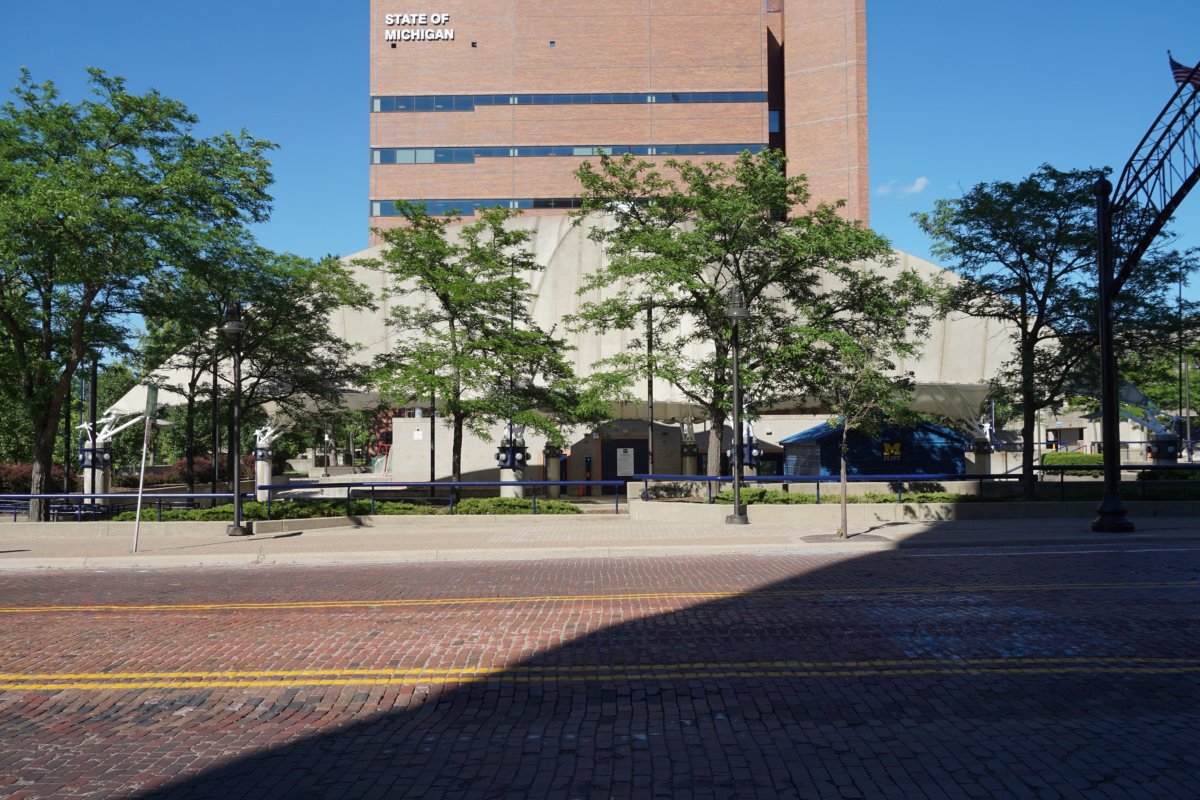
Flint sits about an hour north of Detroit, giving students access to internships and jobs in the metro area. Michigan winters require heavy coats and boots from November through March, with snow common on the semester-system campus. The Flint River runs through downtown, where students grab coffee between classes at local spots. Weekends often mean heading home or to nearby Detroit for entertainment, though campus organizations host events in the University Center. The school's connection to the larger University of Michigan system provides research opportunities despite the regional focus. Students here value practical education that leads to steady careers, with 96% employed after graduation and median earnings of $53,230 within ten years.
- Setting
- City-Small
- Housing Capacity
- 715 beds
- Calendar System
- Semester
- Study Abroad
- Available
Campus Safety (2023)
13 total reported incidents. Source: Clery Act / U.S. Department of Education
| Offense | On Campus | Residential | Noncampus | Public Property |
|---|---|---|---|---|
| Burglary | 2 | 2 | 0 | 0 |
| Aggravated Assault | 1 | 0 | 1 | 0 |
| Domestic Violence | 1 | 0 | 0 | 1 |
| Fondling | 1 | 1 | 0 | 0 |
| Motor Vehicle Theft | 2 | 0 | 0 | 0 |
| Stalking | 1 | 0 | 0 | 0 |
Climate & Weather
- January Avg
- 16°–30°F
- July Avg
- 60°–81°F
- Annual Precipitation
- 32.9"
- Annual Snowfall
- 40.4"
Student Demographics
- Men
- 36.4%
- Women
- 63.6%
- White
- 67.2%
- Black
- 15.1%
- Hispanic
- 6.5%
- Asian
- 2.4%
- In-State Students
- 99.1%
- Pell Grant Recipients
- 34.7%
Location
- Address
- Flint, Michigan 48502-1950
After College
Source: College Scorecard / U.S. Department of Education
- Median Earnings (10 years)
- $53,230
- Median Earnings (5 years)
- $60,426
- Mean Earnings (6 years after entry)
- $36,800
- Loan Repayment Rate
- 41.0%
- Monthly Loan Payment
- $265/mo
- Median Debt at Graduation
- $25,000
Frequently Asked Questions
What is the acceptance rate at University of Michigan-Flint?
University of Michigan-Flint accepts 66.35% of applicants, making it moderately selective. The middle 50% of admitted students score between 930-1220 on the SAT, reflecting the school's commitment to serving a broad range of students in the Flint region.
How much does University of Michigan-Flint cost after financial aid?
Students pay an average net price of $12,280 after financial aid, with low-income families paying just $5,994. The school keeps costs manageable for Michigan residents with in-state tuition of $14,014, helping students graduate with a median debt of $25,000.
What are class sizes like at University of Michigan-Flint?
The university maintains a 14:1 student-faculty ratio across its 4,157 students. This smaller scale allows for more personalized attention than larger campuses, which supports the school's focus on professional programs and regional workforce development.
What do graduates of University of Michigan-Flint typically earn?
Alumni earn a median salary of $53,230 ten years after graduation, with a strong 95.9% employment rate. The 45.47% four-year graduation rate reflects the many working students who attend part-time while building careers in the Flint area.
Where do University of Michigan-Flint students live?
The campus houses 715 students in on-campus facilities, serving a primarily commuter population. With 99.11% of students coming from Michigan, most live locally and benefit from the university's urban Flint location for internships and job opportunities.
Is University of Michigan-Flint diverse?
Women make up 63.56% of the student body, reflecting strong enrollment in the school's health and education programs. The campus is 67.16% white and 15.13% Black, with significant representation from Flint's African American community.
Similar Schools

University of Houston-Clear Lake
Houston, Texas

University of Louisiana at Monroe
Monroe, Louisiana

Saginaw Valley State University
University Center, Michigan

Winston-Salem State University
Winston-Salem, North Carolina

University of Michigan-Dearborn
Dearborn, Michigan

Abraham Baldwin Agricultural College
Tifton, Georgia