About University of Missouri-Kansas City
Students pay an average net price of $12,837 after financial aid, making this university accessible for most families. Graduates earn a median of $59,637 ten years after starting college. Monthly loan payments average just $199, reflecting the relatively modest median debt of $18,750. The employment rate reaches 95.7%, suggesting strong job prospects for graduates. This combination of reasonable costs and solid earnings makes UMKC a practical choice for career-focused students.
The student body leans heavily female at 60.32%, reflecting the health sciences emphasis. About 71% of students come from Missouri, creating a regional feel despite the urban location. The 14:1 student-faculty ratio allows for meaningful professor interaction. Athletics compete at the Division I level in The Summit League, though the Roos field only 10 varsity sports with 223 total athletes.
Academics & Faculty
Source: College Scorecard / U.S. Department of Education
- Student-to-Faculty Ratio
- 14:1
- Full-Time Faculty
- 64.3%
- Graduation Rate (4-year)
- 56.0%
- Graduation Rate (6-year)
- 55.9%
- Retention Rate
- 77.5%
- Median Earnings (10 years)
- $59,637
- Carnegie Classification
- Doctoral University (R2)
Popular Programs by Earnings
| Program | Level | Median Earnings |
|---|---|---|
| Allied Health and Medical Assisting Services. | Master | $176,087 |
| Advanced/Graduate Dentistry and Oral Sciences. | Certificate | $144,240 |
| Dentistry. | Doctoral | $131,319 |
| Pharmacy, Pharmaceutical Sciences, and Administration. | Doctoral | $124,023 |
| Registered Nursing, Nursing Administration, Nursing Research and Clinical Nursing. | Master | $98,345 |
| Allied Health Diagnostic, Intervention, and Treatment Professions. | Master | $97,959 |
| Multi/Interdisciplinary Studies, Other. | Doctoral | $82,440 |
| Electrical, Electronics and Communications Engineering. | Master | $77,213 |
| Business/Commerce, General. | Master | $75,330 |
| Finance and Financial Management Services. | Master | $71,575 |
Campus Life
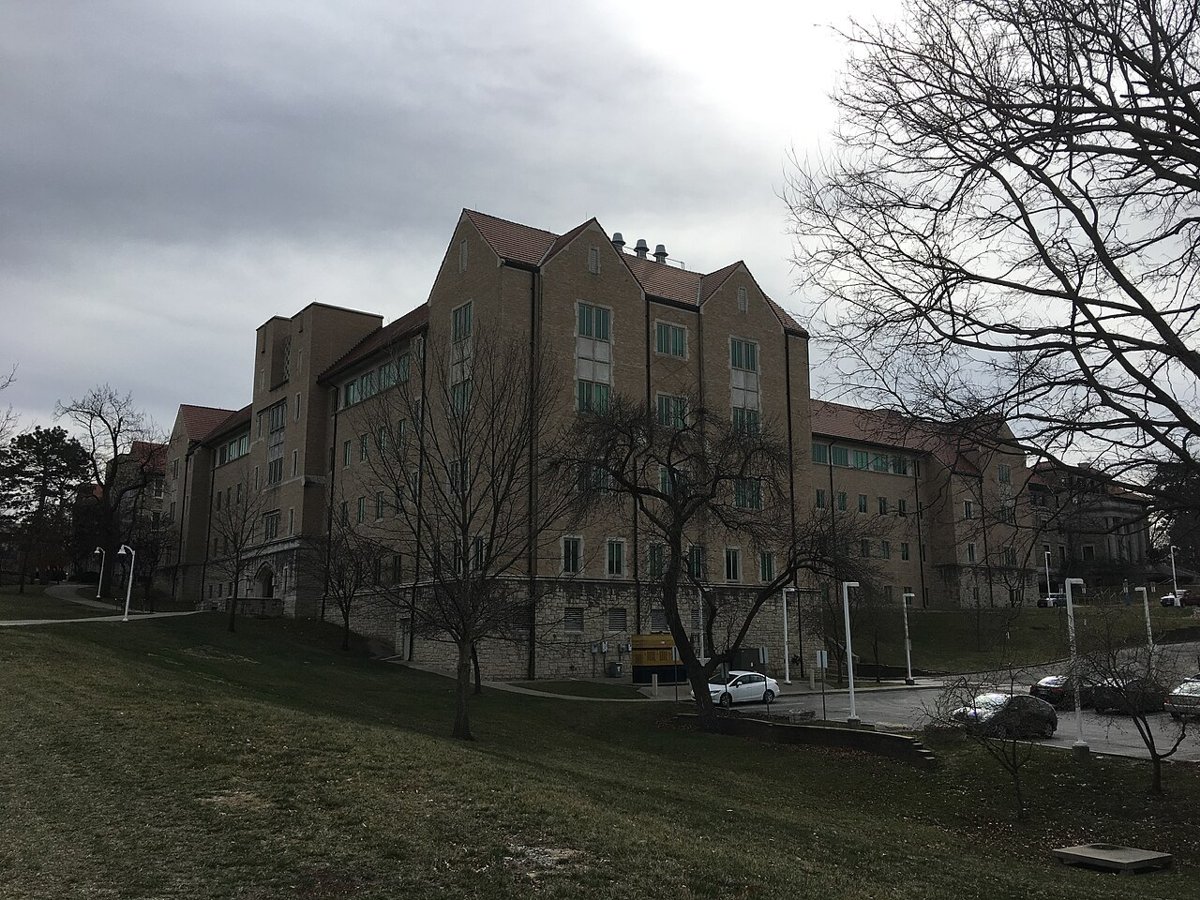
The Roos compete in NCAA Division I athletics with 223 student-athletes across 10 varsity sports, though the athletic culture remains low-key compared to major state universities. Kansas City's four distinct seasons mean you'll need both winter coats for snowy January days and shorts for humid summers reaching the 90s. Students often head to the Power & Light District downtown for nightlife or catch Royals and Chiefs games. The medical and dental programs create a pre-professional atmosphere where many students focus heavily on academics and clinical rotations. Weekend life revolves more around the city's offerings than traditional campus activities, reflecting UMKC's role as an urban commuter school serving working professionals and local students.
- Setting
- City-Large
- Housing Capacity
- 1,114 beds
- Calendar System
- Semester
- Study Abroad
- Available
Campus Safety (2023)
55 total reported incidents. Source: Clery Act / U.S. Department of Education
| Offense | On Campus | Residential | Noncampus | Public Property |
|---|---|---|---|---|
| Motor Vehicle Theft | 25 | 0 | 0 | 4 |
| Burglary | 9 | 0 | 0 | 0 |
| Aggravated Assault | 2 | 1 | 0 | 4 |
| Stalking | 4 | 0 | 0 | 0 |
| Dating Violence | 1 | 1 | 0 | 0 |
| Domestic Violence | 1 | 0 | 0 | 0 |
| Fondling | 1 | 0 | 0 | 0 |
| Rape | 1 | 0 | 0 | 0 |
| Robbery | 1 | 0 | 0 | 0 |
Climate & Weather
- January Avg
- 22°–39°F
- July Avg
- 71°–90°F
- Annual Precipitation
- 38.1"
- Annual Snowfall
- 11.0"
Student Demographics
- Men
- 39.7%
- Women
- 60.3%
- White
- 48.0%
- Black
- 13.7%
- Hispanic
- 16.2%
- Asian
- 10.8%
- In-State Students
- 70.7%
- Pell Grant Recipients
- 25.0%
Location
- Address
- Kansas City, Missouri 64110
After College
Source: College Scorecard / U.S. Department of Education
- Median Earnings (10 years)
- $59,637
- Median Earnings (5 years)
- $61,974
- Mean Earnings (6 years after entry)
- $44,400
- Loan Repayment Rate
- 56.5%
- Monthly Loan Payment
- $199/mo
- Median Debt at Graduation
- $18,750
Frequently Asked Questions
What is the acceptance rate at University of Missouri-Kansas City?
UMKC accepts 69.48% of applicants, making it moderately selective for a public research university. The middle 50% of admitted students score between 1245-1550 on the SAT, reflecting the school's focus on health sciences and professional programs that attract academically prepared students.
How much does University of Missouri-Kansas City cost after financial aid?
Students pay an average net price of $12,837 after aid, with families earning under $30,000 paying just $9,214. The relatively low debt burden of $18,750 at graduation makes UMKC an affordable option for students pursuing expensive professional degrees in medicine and dentistry.
What is University of Missouri-Kansas City known for academically?
UMKC operates as a research university with nationally recognized medical and dental schools that drive much of its academic reputation. The student-faculty ratio of 14:1 supports hands-on learning in health sciences, where clinical training opportunities abound in Kansas City's medical corridor.
What are the job prospects after graduating from University of Missouri-Kansas City?
Graduates achieve a 95.7% employment rate and earn a median salary of $59,637 ten years after graduation. The strong outcomes reflect UMKC's emphasis on professional programs that lead directly to careers in healthcare, business, and other in-demand fields.
Where do University of Missouri-Kansas City students live?
Campus housing accommodates 1,114 students at $12,118 for room and board, though many of the 6,618 enrolled students live off-campus in Kansas City. The urban setting provides internship and job opportunities that complement classroom learning, especially for students in professional programs.
Does University of Missouri-Kansas City have strong athletic programs?
The Roos compete in NCAA Division I with 10 varsity sports and 223 total athletes supported by $4.6 million in athletic scholarships. While athletics take a backseat to academics at this research university, the teams provide school spirit and recreational opportunities for the diverse student body.