About University of Nebraska-Lincoln
Students pay an average net price of $17,424 after aid. Out-of-state families face steeper costs at $27,748 for tuition alone, but Nebraska keeps education accessible for lower-income students with net prices around $11,899 for families earning under $30,000. Graduates earn a median of $56,887 ten years after leaving, carrying typical debt loads of $21,000. The monthly loan payment of $223 represents a manageable burden given career outcomes.
The Huskers compete in 20 Division I sports with athletic scholarships totaling over $13 million. Football dominates campus culture during fall, though the program hasn't reached its championship heights of the 1990s. Students benefit from a strong alumni network throughout the Great Plains region. The 66% six-year graduation rate trails national averages, but 97% of graduates find employment. Housing fills quickly with capacity for only 5,814 students on a campus serving nearly 19,000.
Academics & Faculty
Source: College Scorecard / U.S. Department of Education
- Student-to-Faculty Ratio
- 16:1
- Full-Time Faculty
- 84.0%
- Graduation Rate (4-year)
- 65.4%
- Graduation Rate (6-year)
- 65.8%
- Retention Rate
- 84.3%
- Median Earnings (10 years)
- $56,887
- Carnegie Classification
- Doctoral University (R1)
Popular Programs by Earnings
| Program | Level | Median Earnings |
|---|---|---|
| Engineering, General. | Master | $106,421 |
| Business Administration, Management and Operations. | Master | $91,017 |
| Educational Administration and Supervision. | Doctoral | $78,134 |
| Education, Other. | Doctoral | $72,325 |
| Computer Engineering. | Bachelor | $71,015 |
| Electrical, Electronics and Communications Engineering. | Bachelor | $70,680 |
| Communication Disorders Sciences and Services. | Doctoral | $70,176 |
| Computer and Information Sciences, General. | Bachelor | $68,918 |
| Agricultural Engineering. | Bachelor | $67,324 |
| Chemical Engineering. | Bachelor | $66,821 |
Campus Life
Saturday football games at Memorial Stadium unite the entire campus, where 85,000 fans create the state's third-largest city on game days. The 16:1 student-faculty ratio means professors know your name, especially in the well-known agriculture and engineering programs that built Nebraska's reputation. Students spend weekends at house parties in the Haymarket District, studying in Love Library, or road-tripping to Kansas City or Denver. The 84.27% retention rate reflects students who find their tribe among fraternities, sororities, and 400+ student organizations that thrive in this college town atmosphere.
- Setting
- City-Large
- Housing Capacity
- 5,814 beds
- Calendar System
- Semester
- Study Abroad
- Available
Campus Safety (2023)
135 total reported incidents. Source: Clery Act / U.S. Department of Education
| Offense | On Campus | Residential | Noncampus | Public Property |
|---|---|---|---|---|
| Domestic Violence | 17 | 17 | 0 | 0 |
| Rape | 12 | 10 | 0 | 0 |
| Burglary | 13 | 8 | 0 | 0 |
| Dating Violence | 10 | 8 | 0 | 0 |
| Motor Vehicle Theft | 12 | 0 | 1 | 0 |
| Stalking | 9 | 4 | 0 | 0 |
| Fondling | 5 | 3 | 0 | 0 |
| Aggravated Assault | 4 | 1 | 0 | 0 |
| Robbery | 1 | 0 | 0 | 0 |
Climate & Weather
- January Avg
- 13°–35°F
- July Avg
- 66°–88°F
- Annual Precipitation
- 30.9"
- Annual Snowfall
- 0.0"
Student Demographics
- Men
- 49.7%
- Women
- 50.4%
- White
- 76.1%
- Black
- 2.9%
- Hispanic
- 9.1%
- Asian
- 4.0%
- In-State Students
- 72.9%
- Pell Grant Recipients
- 22.2%
Location
- Address
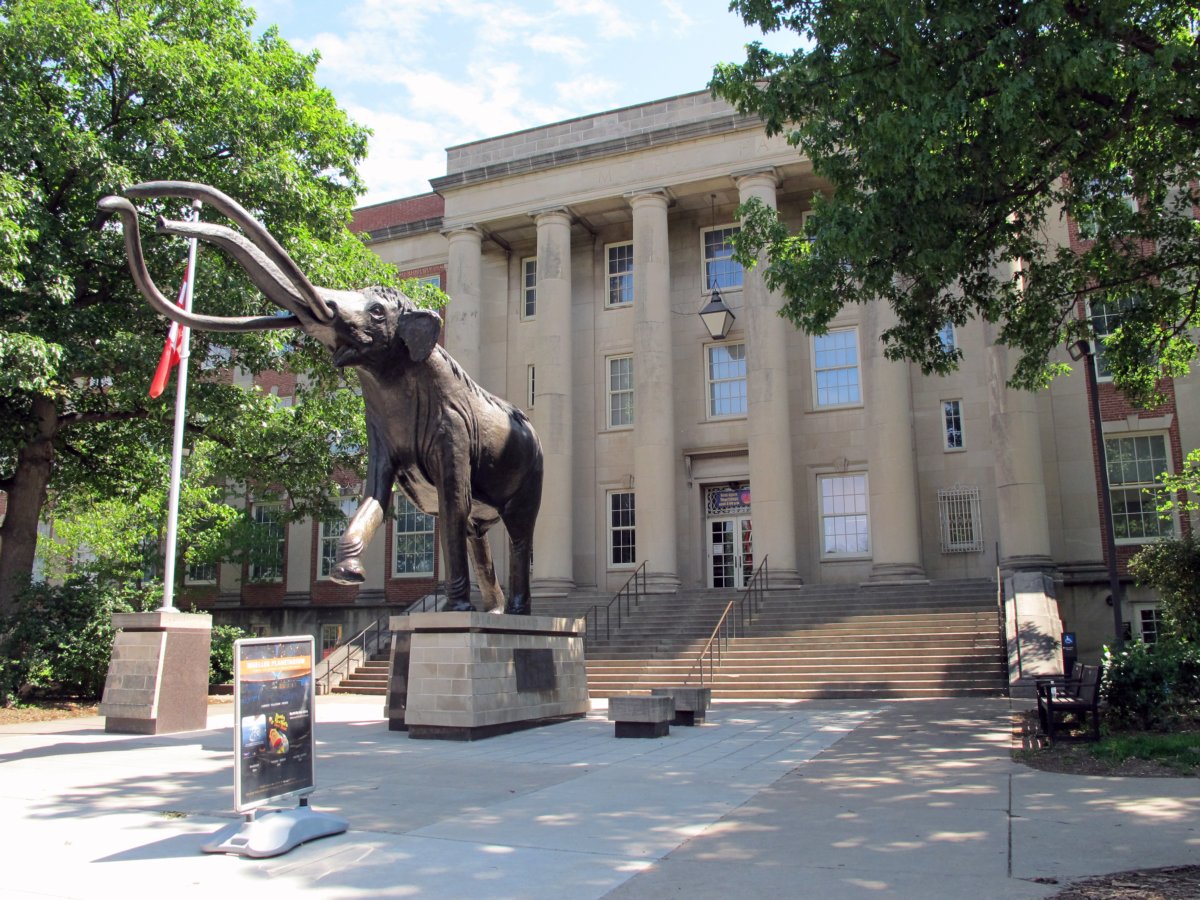
- Lincoln, Nebraska 68588-0419
After College
Source: College Scorecard / U.S. Department of Education
- Median Earnings (10 years)
- $56,887
- Median Earnings (5 years)
- $59,589
- Mean Earnings (6 years after entry)
- $39,900
- Loan Repayment Rate
- 74.1%
- Monthly Loan Payment
- $223/mo
- Median Debt at Graduation
- $21,000
Frequently Asked Questions
What is the acceptance rate at University of Nebraska-Lincoln?
University of Nebraska-Lincoln accepts 78.64% of applicants with an average SAT score of 1225. The school maintains accessible admissions while drawing from a strong in-state applicant pool, with 72.94% of students coming from Nebraska.
How much does University of Nebraska-Lincoln cost after financial aid?
The average net price is $17,424, though costs vary by family income. Students from families earning under $30,000 pay just $11,899 after aid, while those from higher-income families pay up to $22,012.
What is University of Nebraska-Lincoln known for academically?
The university maintains a 16:1 student-faculty ratio and is particularly well-known for its agricultural programs. As a major research institution, it offers strong programs across multiple disciplines while serving as Nebraska's flagship university.
What are the career outcomes for University of Nebraska-Lincoln graduates?
Graduates earn a median salary of $56,887 ten years after graduation with typical student debt of $21,000. The employment rate reaches 97.4%, reflecting strong job placement in the Midwest and beyond.
Where do students live at University of Nebraska-Lincoln?
The campus houses 5,814 students in on-campus facilities with room and board costing $13,856. Located in Lincoln, a large city environment, students experience the benefits of both campus life and urban amenities.
How successful is University of Nebraska-Lincoln's athletics program?
The Cornhuskers compete in the Big Ten Conference with 20 varsity sports and 611 total athletes. The program awards $13,377,929 in athletic scholarships, with football being historically dominant and a source of tremendous school pride.