
About University of Nebraska Medical Center
Students here graduate with a median debt of just $15,000, remarkably low for a medical institution. Graduates earn a median of $76,833 ten years after graduation, making the investment worthwhile. Only 22% of students receive financial aid, reflecting the school's affordable tuition structure. The 90% loan repayment rate shows graduates can comfortably handle their debt load with monthly payments averaging $159.
Women make up 86% of the student body, typical for health sciences programs. The 96.5% employment rate reflects strong demand for healthcare workers. Students dive straight into clinical training and research from day one. The semester system allows for intensive medical coursework and hands-on experience in Omaha's major medical facilities.
Academics & Faculty
Source: College Scorecard / U.S. Department of Education
- Student-to-Faculty Ratio
- 2:1
- Full-Time Faculty
- 82.9%
- Median Earnings (10 years)
- $76,833
- Carnegie Classification
- Associate College (High Nontraditional)
Popular Programs by Earnings
| Program | Level | Median Earnings |
|---|---|---|
| Dentistry. | Doctoral | $118,210 |
| Pharmacy, Pharmaceutical Sciences, and Administration. | Doctoral | $102,660 |
| Allied Health Diagnostic, Intervention, and Treatment Professions. | Master | $101,308 |
| Registered Nursing, Nursing Administration, Nursing Research and Clinical Nursing. | Master | $90,678 |
| Rehabilitation and Therapeutic Professions. | Doctoral | $64,608 |
| Registered Nursing, Nursing Administration, Nursing Research and Clinical Nursing. | Bachelor | $59,450 |
| Medicine. | Doctoral | $57,205 |
| Clinical/Medical Laboratory Science/Research and Allied Professions. | Bachelor | $55,286 |
| Dental Support Services and Allied Professions. | Bachelor | $53,358 |
| Public Health. | Master | $47,846 |
Campus Life
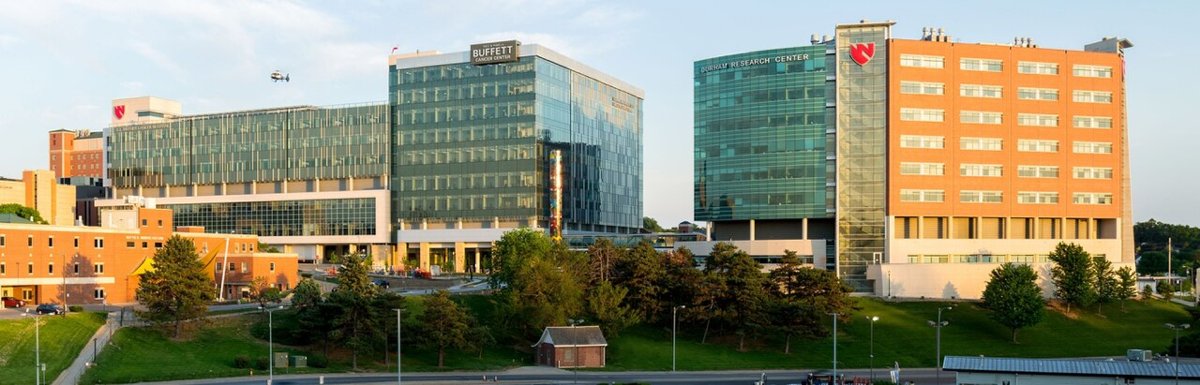
The campus lacks traditional college amenities like dorms or football games because UNMC serves primarily graduate and professional students. Most students commute from apartments throughout Omaha or live in nearby housing. With a 96.5% employment rate and median earnings of $76,833 within ten years, students here are laser-focused on their medical careers. Weekends often mean studying in the library or completing clinical rotations at Nebraska Medicine, the state's largest hospital system located on campus. The Old Market district downtown offers restaurants and nightlife just minutes away, but the demanding coursework keeps most students campus-focused during peak study periods.
- Setting
- City-Large
- Calendar System
- Semester
- Founded
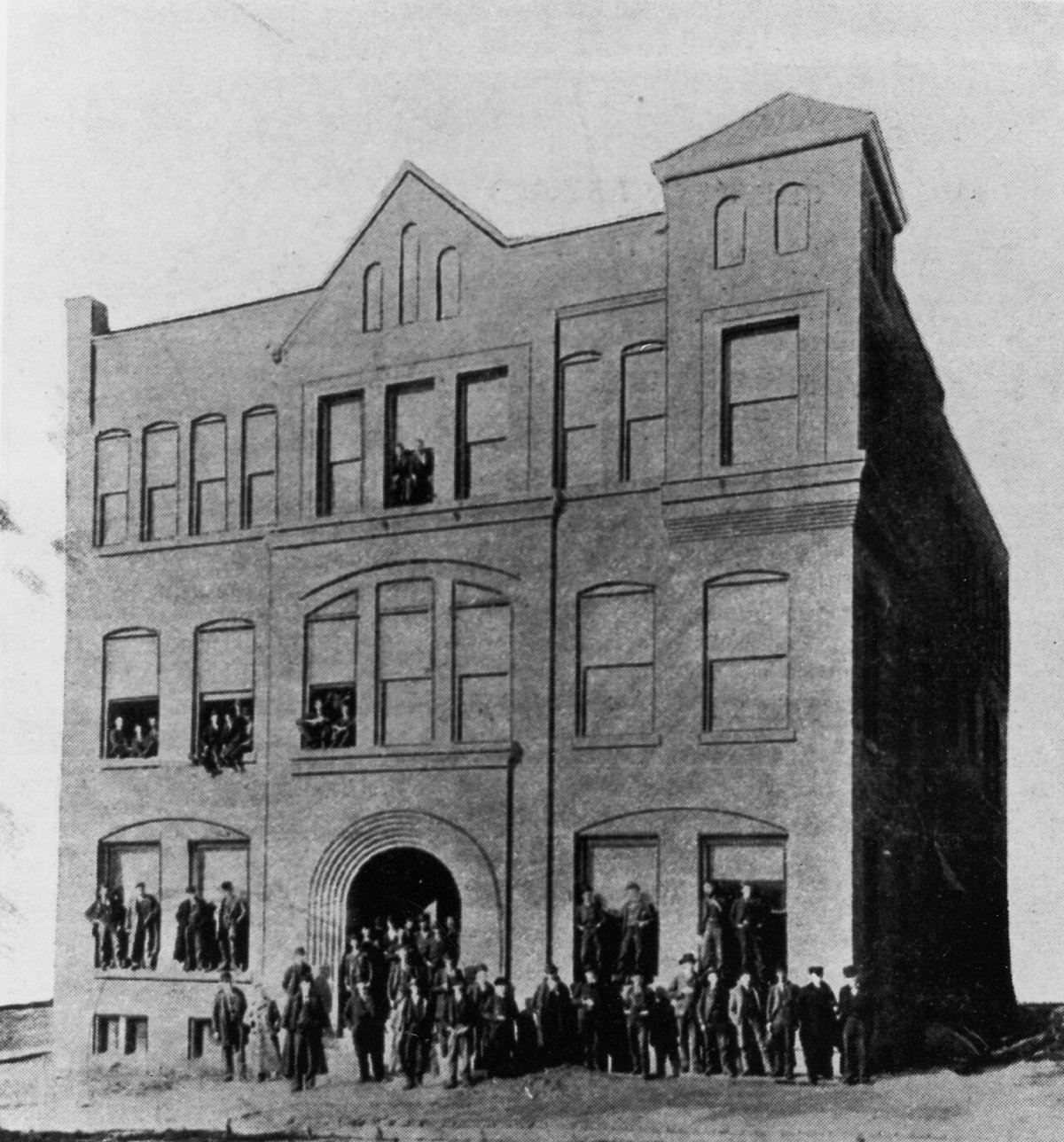
- 1880
Campus Safety (2023)
40 total reported incidents. Source: Clery Act / U.S. Department of Education
| Offense | On Campus | Residential | Noncampus | Public Property |
|---|---|---|---|---|
| Motor Vehicle Theft | 17 | 0 | 0 | 4 |
| Aggravated Assault | 10 | 0 | 0 | 0 |
| Fondling | 4 | 0 | 0 | 0 |
| Domestic Violence | 2 | 0 | 0 | 0 |
| Arson | 1 | 0 | 0 | 0 |
| Robbery | 1 | 0 | 0 | 0 |
| Stalking | 1 | 0 | 0 | 0 |
Climate & Weather
- January Avg
- 15°–33°F
- July Avg
- 68°–88°F
- Annual Precipitation
- 31.9"
- Annual Snowfall
- 27.1"
Student Demographics
- Men
- 13.6%
- Women
- 86.4%
- White
- 77.5%
- Black
- 2.2%
- Hispanic
- 12.3%
- Asian
- 2.9%
- Pell Grant Recipients
- 22.1%
Location
- Address
- Omaha, Nebraska 68198-7815
After College
Source: College Scorecard / U.S. Department of Education
- Median Earnings (10 years)
- $76,833
- Median Earnings (5 years)
- $78,134
- Mean Earnings (6 years after entry)
- $69,600
- Loan Repayment Rate
- 90.1%
- Monthly Loan Payment
- $159/mo
- Median Debt at Graduation
- $15,000
Frequently Asked Questions
What are the admission requirements for the University of Nebraska Medical Center?
The University of Nebraska Medical Center operates with a highly selective 2:1 student-faculty ratio, indicating intensive, personalized education. As a specialized health sciences university founded in 1880, UNMC primarily admits students to graduate-level medical and health programs rather than undergraduate degrees. The small enrollment of 861 students reflects the institution's focus on professional healthcare training.
How much does the University of Nebraska Medical Center cost after financial aid?
Students at UNMC graduate with a median debt of just $15,000, remarkably low for medical education. Only 22.12% of students receive financial aid, suggesting many can afford the specialized health programs without extensive borrowing. Monthly loan payments average $159, making UNMC one of the most affordable paths to healthcare careers.
What academic programs is the University of Nebraska Medical Center known for?
UNMC specializes exclusively in health sciences education and medical research, operating on a semester calendar system. The 2:1 student-faculty ratio ensures intensive mentoring in medical school and graduate health programs. Women make up 86.41% of the student body, reflecting the gender composition typical of many healthcare fields.
What are the career outcomes for University of Nebraska Medical Center graduates?
UNMC graduates achieve a 96.5% employment rate, reflecting strong demand for healthcare professionals. Ten years after graduation, alumni earn a median of $76,833, with consistent earning power shown by similar figures at one year ($76,035) and five years ($78,134) post-graduation. The 90.11% loan repayment rate demonstrates graduates' financial stability in healthcare careers.
Where is the University of Nebraska Medical Center campus located?
UNMC sits in Omaha, Nebraska's largest city, providing access to major medical facilities and research opportunities. The urban setting supports the university's 861 students with clinical training sites and healthcare networks. Omaha's medical corridor makes it an ideal location for the specialized health sciences education UNMC provides.
Is the University of Nebraska Medical Center diverse?
The student body is 77.47% white, with Hispanic students comprising 12.31% of enrollment. Men represent only 13.59% of students, reflecting the gender patterns in many health professions programs. As a specialized health sciences institution with 861 total students, UNMC's diversity reflects both regional demographics and the composition of healthcare education nationally.
Similar Schools
Peru State College
Peru, Nebraska

Western Nebraska Community College
Scottsbluff, Nebraska
Mid-Plains Community College
North Platte, Nebraska
Oregon Health & Science University
Portland, Oregon
University of Oklahoma-Health Sciences Center
Oklahoma City, Oklahoma

University of Maryland, Baltimore
Baltimore, Maryland