About University of Nevada-Las Vegas
The financial picture tells a compelling story for Nevada residents. In-state students pay just $9,142 in tuition, and the average net price drops to $10,011 after aid. Graduates earn a median of $55,037 ten years out, making the typical debt load of $19,450 manageable with monthly payments around $206. Out-of-state students face steeper costs at $26,098, but the employment rate hits 93.8%.
The student body reflects Las Vegas's diversity, with 35% Hispanic and 16% Asian students creating one of the most multicultural campuses in the Mountain West Conference. About 84% of students come from Nevada, and the 78% retention rate suggests most stick around. The Rebels field 15 varsity sports, though the real action happens in internships and jobs throughout the entertainment capital.
Academics & Faculty
Source: College Scorecard / U.S. Department of Education
- Student-to-Faculty Ratio
- 18:1
- Full-Time Faculty
- 99.2%
- Graduation Rate (4-year)
- 48.7%
- Graduation Rate (6-year)
- 50.1%
- Retention Rate
- 77.9%
- Median Earnings (10 years)
- $55,037
- Carnegie Classification
- Doctoral University (R1)
Popular Programs by Earnings
| Program | Level | Median Earnings |
|---|---|---|
| Registered Nursing, Nursing Administration, Nursing Research and Clinical Nursing. | Doctoral | $117,572 |
| Dentistry. | Doctoral | $106,421 |
| Registered Nursing, Nursing Administration, Nursing Research and Clinical Nursing. | Master | $99,683 |
| Business Administration, Management and Operations. | Master | $90,856 |
| Health and Medical Administrative Services. | Master | $84,653 |
| Rehabilitation and Therapeutic Professions. | Doctoral | $81,433 |
| Registered Nursing, Nursing Administration, Nursing Research and Clinical Nursing. | Bachelor | $75,313 |
| Hospitality Administration/Management. | Master | $73,949 |
| Law. | Doctoral | $72,177 |
| Electrical, Electronics and Communications Engineering. | Bachelor | $70,296 |
Campus Life
Weekend life revolves around the city's endless entertainment options rather than traditional college parties. Students often work part-time in the hospitality industry while attending classes. The diverse student body reflects Las Vegas itself, with 35% Hispanic and 16% Asian students creating a multicultural environment. Basketball games against Mountain West rivals draw crowds, especially when playing Nevada-Reno. With 84% of students coming from in-state, many already know the city well. The 18:1 student-faculty ratio means larger lecture halls are common, but the urban setting provides internship and job opportunities that smaller college towns can't match.
- Setting
- City-Midsize
- Housing Capacity
- 1,740 beds
- Calendar System
- Semester
- Study Abroad
- Available
Campus Safety (2023)
189 total reported incidents. Source: Clery Act / U.S. Department of Education
| Offense | On Campus | Residential | Noncampus | Public Property |
|---|---|---|---|---|
| Burglary | 31 | 10 | 18 | 0 |
| Motor Vehicle Theft | 34 | 0 | 6 | 0 |
| Domestic Violence | 19 | 8 | 3 | 3 |
| Rape | 5 | 4 | 1 | 0 |
| Dating Violence | 6 | 2 | 1 | 0 |
| Aggravated Assault | 6 | 1 | 1 | 0 |
| Fondling | 5 | 3 | 0 | 0 |
| Robbery | 5 | 2 | 1 | 0 |
| Arson | 5 | 0 | 1 | 0 |
| Stalking | 5 | 0 | 0 | 0 |
| Murder | 3 | 0 | 0 | 0 |
Climate & Weather
- January Avg
- 40°–58°F
- July Avg
- 82°–104°F
- Annual Precipitation
- 4.2"
- Annual Snowfall
- 0.2"
Student Demographics
- Men
- 44.4%
- Women
- 55.7%
- White
- 22.5%
- Black
- 9.1%
- Hispanic
- 35.3%
- Asian
- 15.8%
- In-State Students
- 83.8%
- Pell Grant Recipients
- 40.3%
Location
- Address
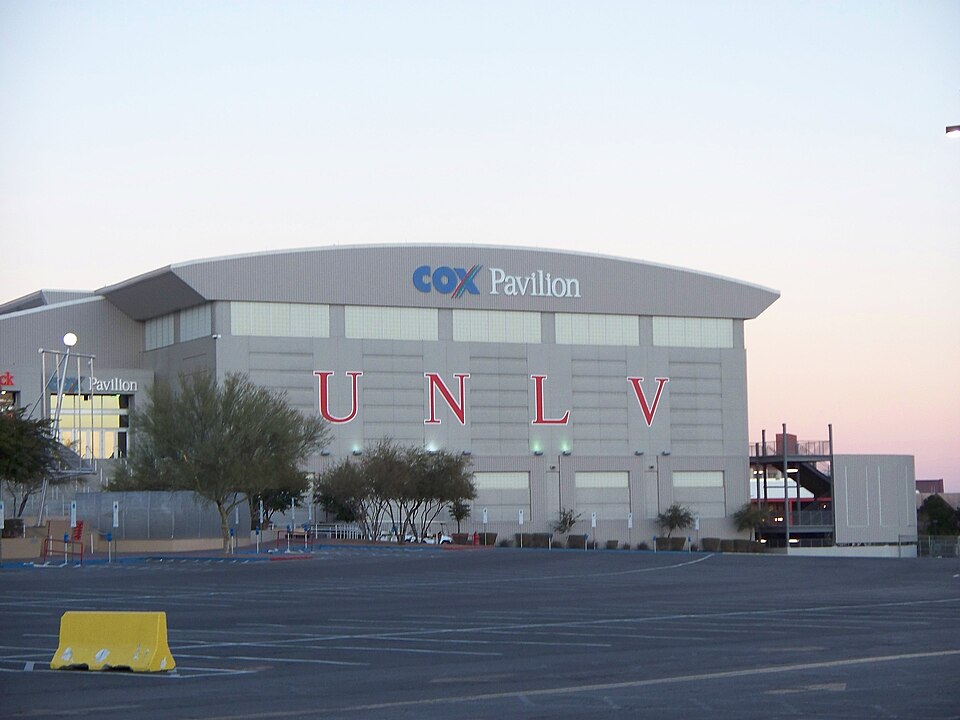
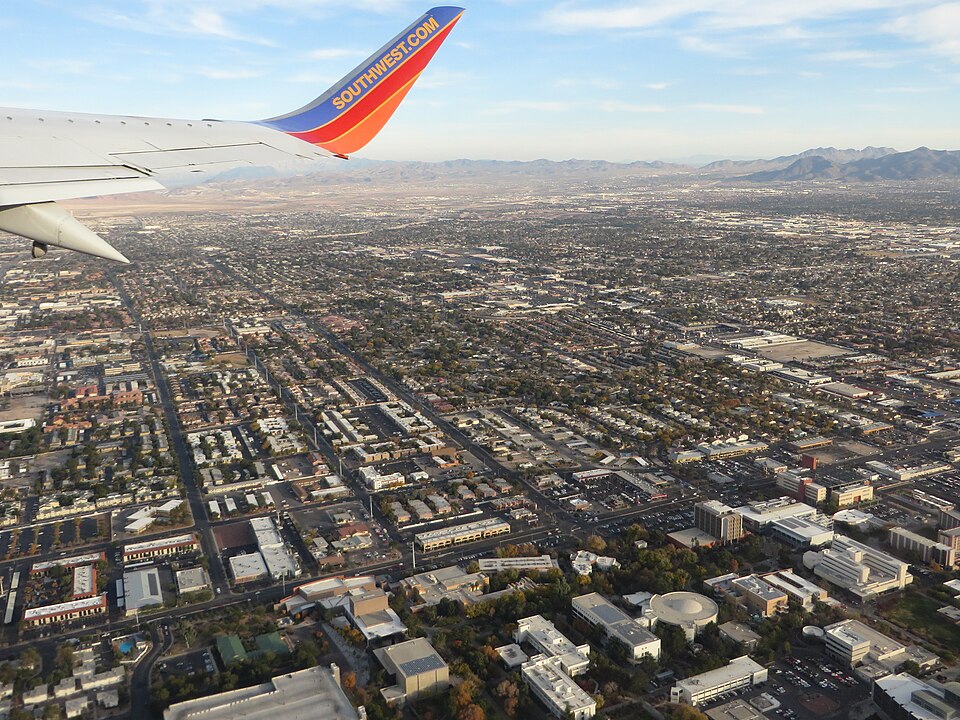
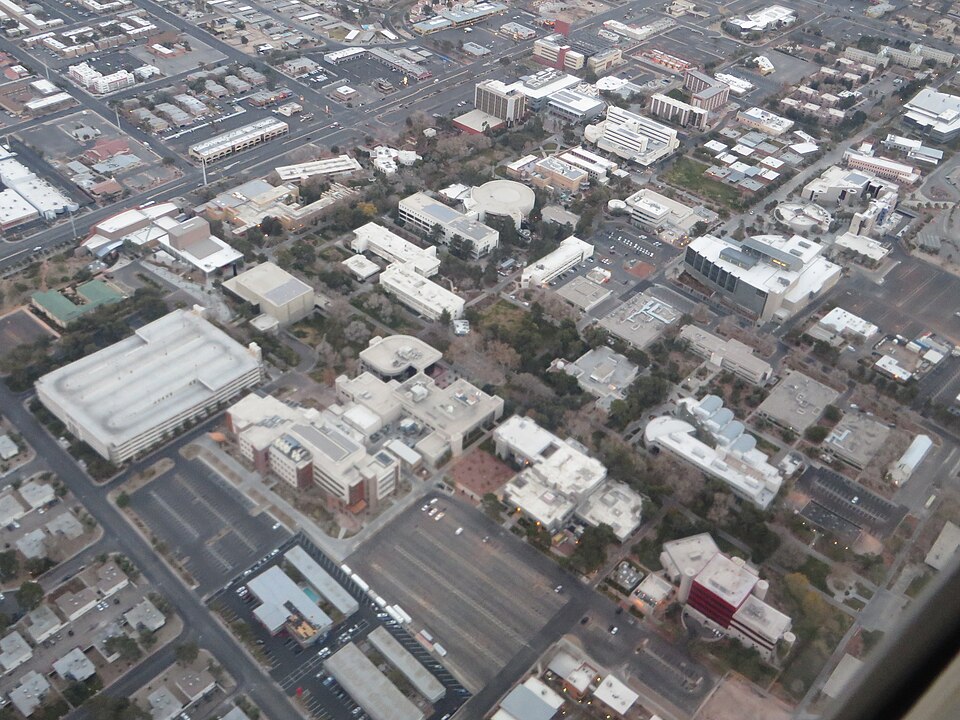
- Las Vegas, Nevada 89154
After College
Source: College Scorecard / U.S. Department of Education
- Median Earnings (10 years)
- $55,037
- Median Earnings (5 years)
- $58,987
- Mean Earnings (6 years after entry)
- $39,300
- Loan Repayment Rate
- 52.8%
- Monthly Loan Payment
- $206/mo
- Median Debt at Graduation
- $19,450
Frequently Asked Questions
What is the acceptance rate at University of Nevada-Las Vegas?
UNLV admits 85% of applicants, making it accessible to most students who meet basic requirements. The middle 50% of admitted students score between 1000-1220 on the SAT. This relatively high acceptance rate reflects the university's mission as a public research institution serving the diverse Las Vegas community.
How much does University of Nevada-Las Vegas cost after financial aid?
Students pay an average net price of $10,011 annually after aid is applied. In-state tuition runs $9,142 while out-of-state students pay $26,098 before aid. About 40% of students receive Pell Grants, helping make this research university affordable for working-class families in Nevada.
What is University of Nevada-Las Vegas known for academically?
UNLV has built a strong reputation for its hospitality management program, taking advantage of its location in the entertainment capital of the world. The university also offers solid engineering programs and operates as a research institution. Students benefit from an 18:1 student-faculty ratio across the university's diverse academic offerings.
What are the graduation rates at University of Nevada-Las Vegas?
About 50% of students graduate within six years, while 49% complete their degrees in four years. The 78% retention rate shows most freshmen return for their sophomore year. Graduates earn a median of $55,037 ten years after enrollment, reflecting strong job prospects in the growing Las Vegas economy.
Where do students live at University of Nevada-Las Vegas?
Campus housing accommodates 1,740 students in a university of over 24,000 undergraduates. Most students commute from home since 84% come from Nevada and many are local to Las Vegas. The campus sits in the heart of Las Vegas, giving students access to internships and jobs on the famous Strip.
Does University of Nevada-Las Vegas have strong athletics?
The Rebels compete in NCAA Division I as part of the Mountain West Conference with 15 varsity sports. The athletic program awards over $10.8 million in scholarships to 412 student-athletes. UNLV basketball has historically been a powerhouse program, and the football team plays in the new Allegiant Stadium shared with the NFL Raiders.