About University of Nevada-Reno
After financial aid, students pay an average net price of $15,402, making this a solid financial choice for most families. Graduates earn a median of $60,614 ten years after graduation, outpacing the typical debt load of $18,922. The 95.3% employment rate shows strong career outcomes. Monthly loan payments average just $201, making the debt manageable given earning potential.
The student body tilts slightly female at 53.06% and draws heavily from Nevada with 72.92% in-state enrollment. Hispanic students make up 24.79% of enrollment, reflecting the state's demographics. The 62.40% six-year graduation rate suggests students need persistence to finish, though the 80.35% retention rate shows most stick with their choice. Campus housing accommodates 3,291 students in a city known for outdoor recreation opportunities.
Academics & Faculty
Source: College Scorecard / U.S. Department of Education
- Student-to-Faculty Ratio
- 16:1
- Full-Time Faculty
- 98.0%
- Graduation Rate (4-year)
- 62.1%
- Graduation Rate (6-year)
- 62.4%
- Retention Rate
- 80.4%
- Median Earnings (10 years)
- $60,614
- Carnegie Classification
- Doctoral University (R1)
Popular Programs by Earnings
| Program | Level | Median Earnings |
|---|---|---|
| Registered Nursing, Nursing Administration, Nursing Research and Clinical Nursing. | Master | $104,192 |
| Business Administration, Management and Operations. | Master | $82,440 |
| Computer and Information Sciences, General. | Master | $79,284 |
| Mining and Mineral Engineering. | Bachelor | $69,338 |
| Registered Nursing, Nursing Administration, Nursing Research and Clinical Nursing. | Bachelor | $69,161 |
| Computer Engineering. | Bachelor | $67,473 |
| Electrical, Electronics and Communications Engineering. | Bachelor | $67,324 |
| Communication Disorders Sciences and Services. | Master | $66,461 |
| Civil Engineering. | Master | $66,169 |
| Mechanical Engineering. | Bachelor | $59,011 |
Campus Life
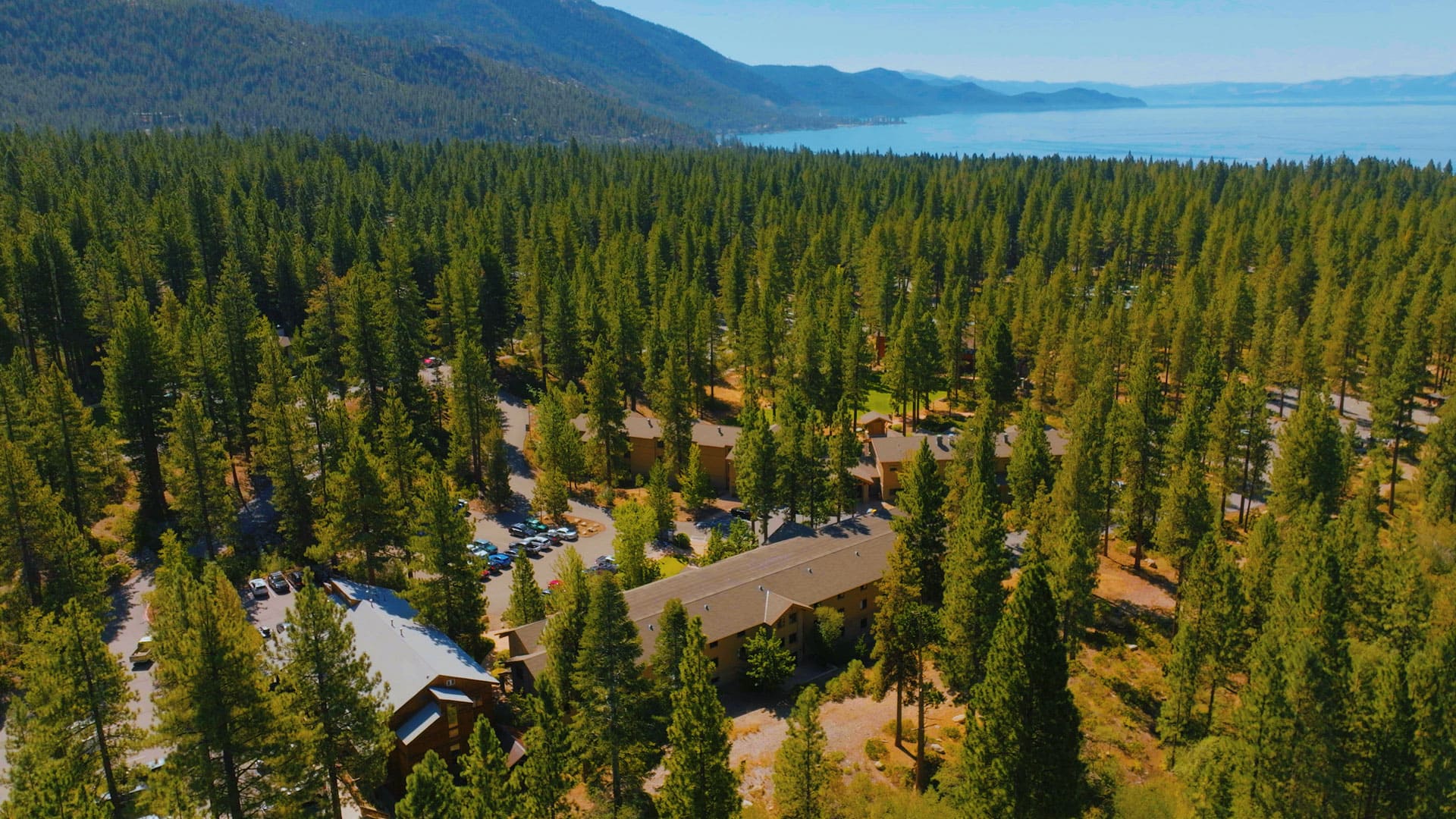
Weekend life revolves around Lake Tahoe, just 45 minutes away, where Wolf Pack students hit the slopes at multiple ski resorts or boat in summer. Reno's downtown casino district offers internships and part-time jobs for the 73% of students who stay in-state. The campus buzzes with Division I Mountain West athletics, especially when 16 varsity teams take on rival UNLV. With Nevada's strong mining and engineering industries nearby, many of the school's standout programs connect directly to local career opportunities. The 80% retention rate reflects students who appreciate both outdoor recreation access and in-state tuition under $9,000.
- Setting
- City-Large
- Housing Capacity
- 3,291 beds
- Calendar System
- Semester
- Study Abroad
- Available
Campus Safety (2023)
127 total reported incidents. Source: Clery Act / U.S. Department of Education
| Offense | On Campus | Residential | Noncampus | Public Property |
|---|---|---|---|---|
| Motor Vehicle Theft | 49 | 1 | 1 | 0 |
| Dating Violence | 11 | 9 | 0 | 0 |
| Stalking | 16 | 4 | 0 | 0 |
| Burglary | 14 | 1 | 1 | 0 |
| Aggravated Assault | 5 | 4 | 1 | 0 |
| Rape | 3 | 3 | 1 | 0 |
| Fondling | 2 | 0 | 0 | 0 |
| Domestic Violence | 1 | 0 | 0 | 0 |
Climate & Weather
- January Avg
- 27°–45°F
- July Avg
- 61°–92°F
- Annual Precipitation
- 8.1"
- Annual Snowfall
- 29.7"
Student Demographics
- Men
- 46.9%
- Women
- 53.1%
- White
- 51.2%
- Black
- 3.3%
- Hispanic
- 24.8%
- Asian
- 8.1%
- In-State Students
- 72.9%
- Pell Grant Recipients
- 24.1%
Location
- Address
- Reno, Nevada 89557
After College
Source: College Scorecard / U.S. Department of Education
- Median Earnings (10 years)
- $60,614
- Median Earnings (5 years)
- $63,908
- Mean Earnings (6 years after entry)
- $41,600
- Loan Repayment Rate
- 66.2%
- Monthly Loan Payment
- $201/mo
- Median Debt at Graduation
- $18,922
Frequently Asked Questions
What is the acceptance rate at University of Nevada-Reno?
University of Nevada-Reno accepts 85.62% of applicants, making it accessible to most qualified students. The Wolf Pack draws primarily from Nevada with 72.92% in-state enrollment, though it attracts students nationwide for its strong engineering and journalism programs.
How much does University of Nevada-Reno cost after financial aid?
The average net price is $15,402 after aid, with students from families earning under $30,000 paying just $12,126. In-state tuition runs $8,994 while out-of-state students pay $25,950, making it an affordable option for Nevada residents seeking a research university experience.
What academic programs is University of Nevada-Reno known for?
The university excels in engineering, journalism, and mining with significant research activities across campus. With a 16:1 student-faculty ratio, students get solid access to professors while benefiting from the school's strong reputation in technical fields and media programs.
What are employment outcomes like for University of Nevada-Reno graduates?
Graduates achieve a 95.3% employment rate with median earnings of $60,614 ten years after graduation. The 62.40% six-year graduation rate reflects the school's mix of traditional and working students, while alumni like Colin Kaepernick demonstrate the university's ability to produce notable achievers.
Where do students live at University of Nevada-Reno?
Campus housing accommodates 3,291 students at $13,700 for room and board, serving about 21% of the 15,723 total enrollment. The large city setting in Reno provides plenty of off-campus options, with many students choosing apartments near the downtown area or Lake Tahoe region.
Does University of Nevada-Reno have strong athletic programs?
The Wolf Pack competes in NCAA Division I's Mountain West Conference with 16 varsity sports and 423 total athletes. The university invests $9,151,196 in athletic scholarships annually, with football and basketball drawing the most attention from the passionate Nevada fanbase.