

About University of New Orleans
Students pay an average net price of $11,147 after financial aid, making this one of the more affordable options for a four-year degree. Graduates earn a median salary of $47,872 ten years after starting college. With typical student debt of $18,750, most graduates face monthly loan payments around $199. The employment rate hits 93%, though only 43% of students graduate within six years.
Nearly 92% of students come from Louisiana, creating a tight-knit community that reflects the state's cultural diversity. The student body is 42% white, 23% Black, and 15% Hispanic. As Division I Privateers, students compete in the Southland Conference across 10 varsity sports. The 18:1 student-faculty ratio allows for more personal attention than typical public universities.
Academics & Faculty
Source: College Scorecard / U.S. Department of Education
- Student-to-Faculty Ratio
- 18:1
- Full-Time Faculty
- 64.5%
- Graduation Rate (4-year)
- 40.5%
- Graduation Rate (6-year)
- 42.5%
- Retention Rate
- 70.2%
- Median Earnings (10 years)
- $47,872
- Carnegie Classification
- Doctoral University (R2)
Popular Programs by Earnings
| Program | Level | Median Earnings |
|---|---|---|
| Business Administration, Management and Operations. | Master | $63,692 |
| Mechanical Engineering. | Bachelor | $62,012 |
| Electrical, Electronics and Communications Engineering. | Bachelor | $61,516 |
| Accounting and Related Services. | Master | $59,214 |
| City/Urban, Community and Regional Planning. | Master | $58,970 |
| Computer Science. | Bachelor | $57,318 |
| Health and Medical Administrative Services. | Master | $55,286 |
| Civil Engineering. | Bachelor | $50,606 |
| Accounting and Related Services. | Bachelor | $44,356 |
| Special Education and Teaching. | Master | $43,798 |
Campus Life
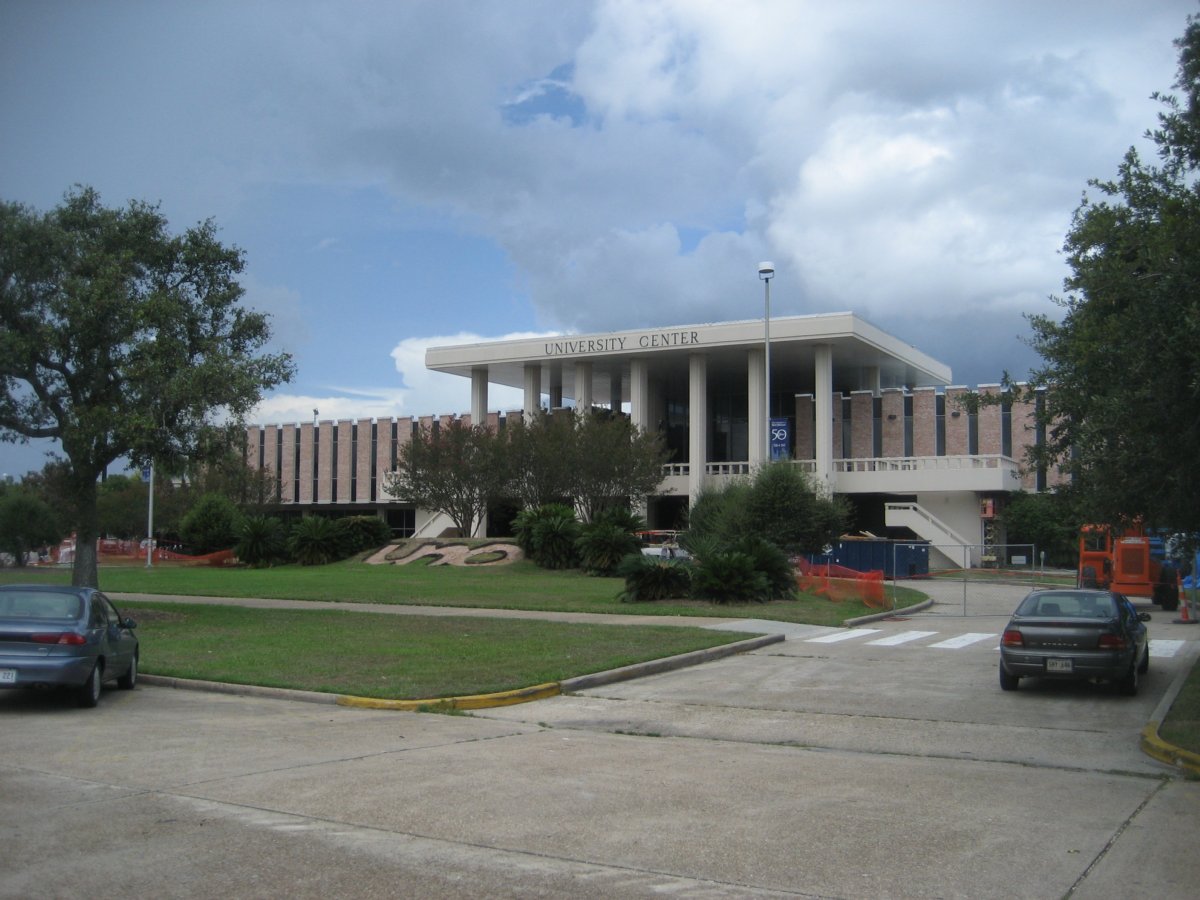
Weekend plans often center around the city's legendary music scene, especially for students in UNO's well-known jazz studies program that has produced legends like Harry Connick Jr. and the Marsalis family. The 91.90% in-state student body creates a tight-knit community that knows how to navigate Mardi Gras season and hurricane warnings with equal expertise. Students frequently catch Privateers basketball games or head to nearby Lake Pontchartrain for outdoor recreation. The 18:1 student-faculty ratio means professors often become mentors who connect students to New Orleans' active arts and business communities. Campus life blends seamlessly with city life in a way few universities can match.
- Setting
- City-Large
- Housing Capacity
- 1,604 beds
- Calendar System
- Semester
- Study Abroad
- Available
- Founded
- 1958
Campus Safety (2023)
50 total reported incidents. Source: Clery Act / U.S. Department of Education
| Offense | On Campus | Residential | Noncampus | Public Property |
|---|---|---|---|---|
| Dating Violence | 10 | 9 | 0 | 2 |
| Burglary | 9 | 9 | 1 | 0 |
| Motor Vehicle Theft | 7 | 0 | 0 | 0 |
| Rape | 1 | 1 | 0 | 0 |
| Aggravated Assault | 0 | 0 | 0 | 1 |
Climate & Weather
- January Avg
- 46°–61°F
- July Avg
- 78°–90°F
- Annual Precipitation
- 60.1"
- Annual Snowfall
- 0.1"
Student Demographics
- Men
- 50.5%
- Women
- 49.5%
- White
- 41.6%
- Black
- 23.0%
- Hispanic
- 15.0%
- Asian
- 9.0%
- In-State Students
- 91.9%
- Pell Grant Recipients
- 40.4%
Location
- Address
- New Orleans, Louisiana 70148

After College
Source: College Scorecard / U.S. Department of Education
- Median Earnings (10 years)
- $47,872
- Median Earnings (5 years)
- $51,173
- Mean Earnings (6 years after entry)
- $35,200
- Loan Repayment Rate
- 63.0%
- Monthly Loan Payment
- $199/mo
- Median Debt at Graduation
- $18,750
Frequently Asked Questions
What is the acceptance rate at University of New Orleans?
University of New Orleans accepts 69.76% of applicants, making it moderately selective. Students typically need an SAT score around 1060 or ACT score of 21 to be competitive. The university draws heavily from Louisiana, with 91.90% of students coming from in-state.
How much does University of New Orleans cost after financial aid?
Students pay an average net price of $11,147 after financial aid. In-state tuition runs $9,172 while out-of-state students pay $14,008. About 40% of students receive Pell Grants, helping make this public university accessible to working-class families.
What is University of New Orleans known for academically?
The university is famous for its music program, which has produced jazz legends like Harry Connick Jr. and the Marsalis brothers. Classes average 18 students per faculty member. As a public research university, UNO serves the culturally rich and diverse New Orleans community.
What are the graduation rates at University of New Orleans?
Only 42.50% of students graduate within six years, which is low compared to national averages. The four-year graduation rate sits at 40.49%. Graduates earn a median of $47,872 ten years after starting college, with typical monthly loan payments of $199.
Where do students live at University of New Orleans?
The campus houses 1,604 students in residence halls, serving a total enrollment of 4,479. Most students commute from the greater New Orleans area since the student body is 91.90% in-state. The campus sits in one of America's most active and culturally unique cities.
Does University of New Orleans compete in Division I athletics?
The Privateers compete in NCAA Division I as members of the Southland Conference. The athletic program fields 10 varsity sports with 171 total athletes. The university awards $2,477,246 in athletic scholarships annually, supporting student-athletes in this competitive division.
Similar Schools

University of Louisiana at Monroe
Monroe, Louisiana

McNeese State University
Lake Charles, Louisiana

University of Missouri-Kansas City
Kansas City, Missouri

Rutgers University-Camden
Camden, New Jersey

Louisiana State University-Alexandria
Alexandria, Louisiana

University of Arkansas at Little Rock
Little Rock, Arkansas