
About University of North Carolina at Chapel Hill
Despite the $39,330 out-of-state sticker price, most students pay far less through financial aid. The average net price sits at $12,983, and students from families earning under $30,000 pay just $3,165 annually. Graduates earn a median of $72,200 ten years after graduation while carrying only $14,000 in debt. With monthly loan payments averaging $148, the financial return justifies the investment for most students.
The 92% six-year graduation rate reflects both student quality and institutional support. Women comprise 61% of the student body, and the campus houses over 10,000 students in residence halls. The 15:1 student-faculty ratio ensures access to professors at this research powerhouse. Nearly all graduates find employment within six months, validating Carolina's reputation for launching successful careers.
Academics & Faculty
Source: College Scorecard / U.S. Department of Education
- Student-to-Faculty Ratio
- 15:1
- Full-Time Faculty
- 77.7%
- Graduation Rate (4-year)
- 91.7%
- Graduation Rate (6-year)
- 92.1%
- Retention Rate
- 97.2%
- Median Earnings (10 years)
- $72,200
- Carnegie Classification
- Doctoral University (R1)
Popular Programs by Earnings
| Program | Level | Median Earnings |
|---|---|---|
| Business Administration, Management and Operations. | Master | $127,836 |
| Pharmacy, Pharmaceutical Sciences, and Administration. | Doctoral | $103,078 |
| Public Health. | Certificate | $91,744 |
| Registered Nursing, Nursing Administration, Nursing Research and Clinical Nursing. | Master | $86,036 |
| Dentistry. | Doctoral | $82,440 |
| Business Administration, Management and Operations. | Bachelor | $73,823 |
| Computer Science. | Bachelor | $72,083 |
| Health and Medical Administrative Services. | Master | $68,666 |
| Applied Mathematics. | Bachelor | $67,660 |
| Rehabilitation and Therapeutic Professions. | Doctoral | $63,275 |
Campus Life
Franklin Street runs right through campus, lined with bars, restaurants, and shops that become extensions of student life. The 97.15% retention rate reflects how quickly students fall in love with the place. Basketball dominates winter weekends at the Dean Dome, where student tickets are precious commodities. Spring brings perfect weather for quad gatherings and outdoor concerts. You'll need a light jacket for December and January, but expect to wear shorts through October. The academic calendar follows a traditional semester system, giving students long summers to return home or stay for internships in the Research Triangle.
- Setting
- City-Small
- Housing Capacity
- 10,006 beds
- Calendar System
- Semester
- Study Abroad
- Available
- Founded
- 1789
Campus Safety (2023)
199 total reported incidents. Source: Clery Act / U.S. Department of Education
| Offense | On Campus | Residential | Noncampus | Public Property |
|---|---|---|---|---|
| Motor Vehicle Theft | 69 | 0 | 3 | 1 |
| Rape | 17 | 13 | 3 | 0 |
| Burglary | 19 | 4 | 4 | 0 |
| Stalking | 13 | 8 | 2 | 0 |
| Dating Violence | 8 | 6 | 0 | 0 |
| Aggravated Assault | 7 | 0 | 2 | 0 |
| Fondling | 3 | 1 | 2 | 3 |
| Domestic Violence | 1 | 0 | 2 | 2 |
| Robbery | 2 | 1 | 0 | 1 |
| Arson | 1 | 0 | 0 | 0 |
| Murder | 1 | 0 | 0 | 0 |
Climate & Weather
- January Avg
- 29°–50°F
- July Avg
- 69°–89°F
- Annual Precipitation
- 48.9"
- Annual Snowfall
- 2.8"
Student Demographics
- Men
- 39.3%
- Women
- 60.8%
- White
- 54.1%
- Black
- 8.2%
- Hispanic
- 9.8%
- Asian
- 14.8%
- In-State Students
- 83.6%
- Pell Grant Recipients
- 20.3%
Location
- Address
- Chapel Hill, North Carolina 27599
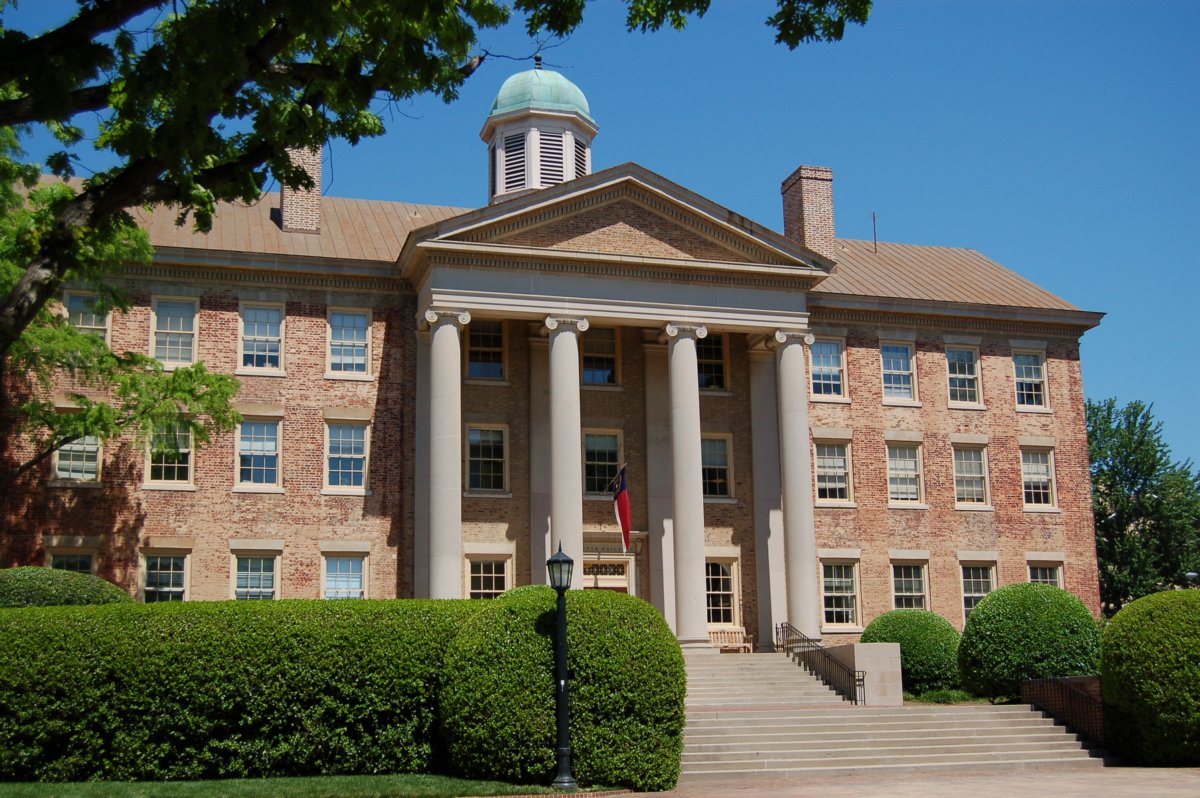
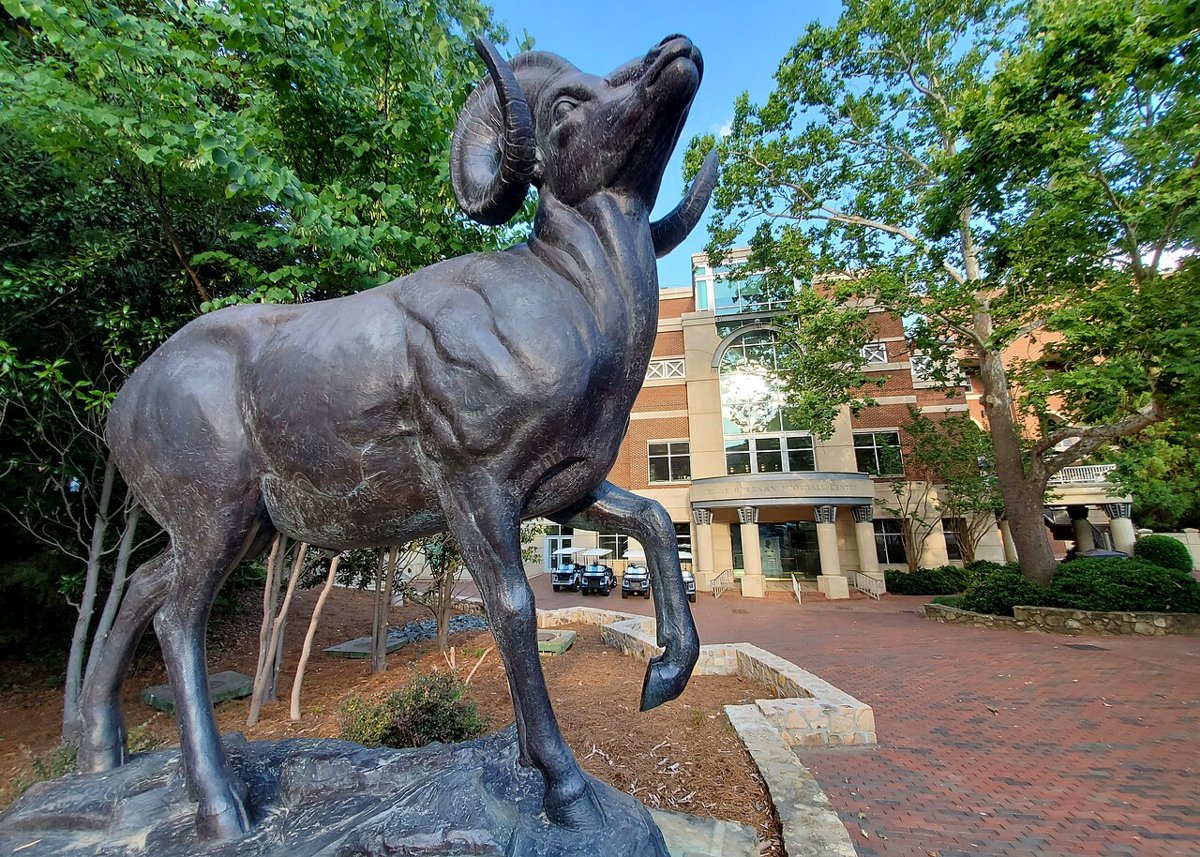
After College
Source: College Scorecard / U.S. Department of Education
- Median Earnings (10 years)
- $72,200
- Median Earnings (5 years)
- $72,161
- Mean Earnings (6 years after entry)
- $49,900
- Loan Repayment Rate
- 80.6%
- Monthly Loan Payment
- $148/mo
- Median Debt at Graduation
- $14,000
Frequently Asked Questions
What is the acceptance rate at University of North Carolina at Chapel Hill?
UNC Chapel Hill accepts 17.11% of applicants, making it highly selective. The middle 50% of admitted students score between 1350 and 1530 on the SAT. This reflects the university's status as the nation's first public university and its strong academic reputation.
How much does University of North Carolina at Chapel Hill cost after financial aid?
The average net price is $12,983 across all income levels. Students from families earning under $30,000 pay just $3,165 after aid, while those from higher-income families ($110,000+) pay $24,077. North Carolina residents benefit from in-state tuition of only $8,989 compared to $39,330 for out-of-state students.
What is the student-faculty ratio at University of North Carolina at Chapel Hill?
The student-faculty ratio is 15:1 among the 20,556 enrolled students. This allows for meaningful interaction with professors at a major research university. The 97.15% retention rate shows students are satisfied with their academic experience.
What are the career outcomes for University of North Carolina at Chapel Hill graduates?
Graduates earn a median salary of $72,200 ten years after graduation with 95% employment rate. The typical graduate leaves with $14,000 in debt and monthly loan payments of $148. The strong alumni network includes notable figures like Michael Jordan and President James K. Polk.
Where is University of North Carolina at Chapel Hill located and what is campus life like?
The campus sits in Chapel Hill, a classic college town in North Carolina. With housing for 10,006 students and 24 varsity sports teams, campus life centers around academics and athletics. The student body is 83.62% in-state residents with women comprising 60.75% of enrollment.
How successful is the basketball program at University of North Carolina at Chapel Hill?
The Tar Heels compete in NCAA Division I and the Atlantic Coast Conference with 891 total student-athletes. The basketball program is legendary, having produced Michael Jordan and coached by the famous Dean Smith. Athletic scholarships total nearly $17 million across all sports programs.
Similar Schools

Georgia Institute of Technology
Atlanta, Georgia

University of Virginia
Charlottesville, Virginia

University of California-Irvine
Irvine, California

University of California-Santa Barbara
Santa Barbara, California

North Carolina State University at Raleigh
Raleigh, North Carolina

Appalachian State University
Boone, North Carolina