

About University of North Carolina at Charlotte
Students pay an average net price of $14,745 after aid, making it one of the more affordable options for a full university experience. Graduates earn a median of $57,289 ten years after leaving school, while carrying typical debt loads of $21,500. The monthly loan payment of $228 is manageable given the earning potential. In-state students get an especially good deal with tuition at just $7,214.
The student body reflects Charlotte's diversity, with 48.53% white students and significant Black (16.97%) and Hispanic (14.73%) populations. Most students are from North Carolina at 91.47%, creating a strong sense of state pride. The 49ers compete in Division I athletics with 14 varsity sports. With an 85.13% retention rate, students clearly find what they're looking for on this urban campus.
Academics & Faculty
Source: College Scorecard / U.S. Department of Education
- Student-to-Faculty Ratio
- 21:1
- Full-Time Faculty
- 71.2%
- Graduation Rate (4-year)
- 68.9%
- Graduation Rate (6-year)
- 67.7%
- Retention Rate
- 85.1%
- Median Earnings (10 years)
- $57,289
- Carnegie Classification
- Doctoral University (R2)
Popular Programs by Earnings
| Program | Level | Median Earnings |
|---|---|---|
| Registered Nursing, Nursing Administration, Nursing Research and Clinical Nursing. | Master | $123,527 |
| Business/Managerial Economics. | Master | $91,744 |
| Engineering-Related Fields. | Master | $90,412 |
| Business Administration, Management and Operations. | Master | $84,653 |
| Medical Illustration and Informatics. | Master | $79,081 |
| Multi/Interdisciplinary Studies, Other. | Master | $78,343 |
| Computer and Information Sciences, General. | Master | $77,715 |
| Engineering Technologies/Technicians, Other. | Master | $71,575 |
| Computer Engineering. | Bachelor | $70,829 |
| Computer Science. | Master | $66,624 |
Campus Life
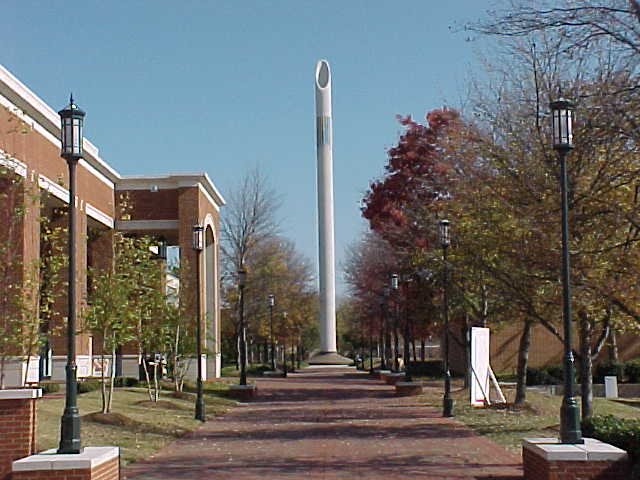
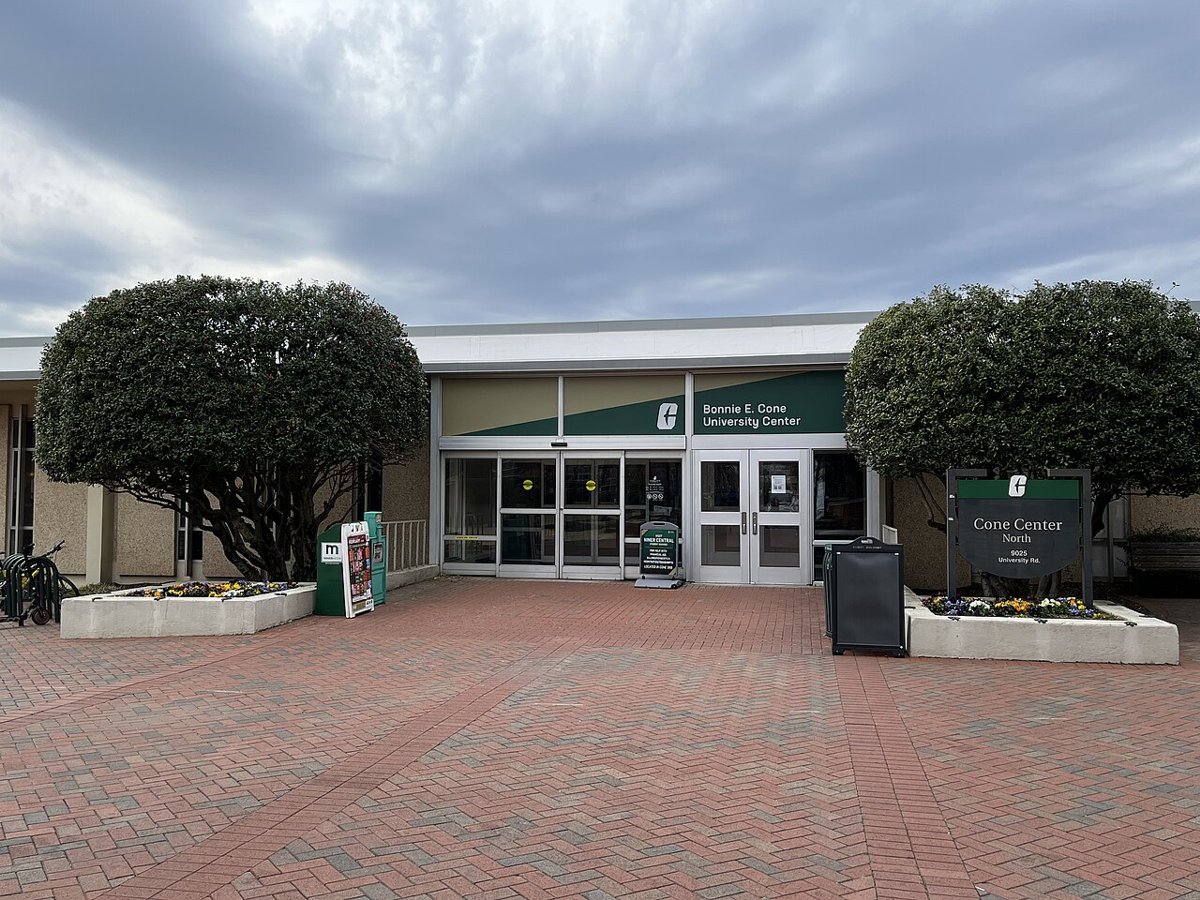
Charlotte's mild climate means you'll need a light jacket in winter but can expect plenty of warm, sunny days perfect for the large outdoor spaces scattered across campus. The 21:1 student-faculty ratio means larger lecture halls are common, especially for introductory courses. Weekends often revolve around 49ers basketball and football games, with 461 student-athletes competing across 14 Division I sports. Students frequently venture into Charlotte's uptown district for internships, jobs, and nightlife. The university's rapid growth shows in its modern facilities and expanding research opportunities. With 95.6% of graduates finding employment, many students stick around Charlotte after graduation to launch their careers in the city's growing finance and tech sectors.
- Setting
- City-Large
- Housing Capacity
- 6,225 beds
- Calendar System
- Semester
- Study Abroad
- Available
- Founded
- 1946
Campus Safety (2023)
90 total reported incidents. Source: Clery Act / U.S. Department of Education
| Offense | On Campus | Residential | Noncampus | Public Property |
|---|---|---|---|---|
| Stalking | 29 | 5 | 0 | 0 |
| Dating Violence | 10 | 5 | 0 | 0 |
| Fondling | 8 | 6 | 0 | 0 |
| Rape | 7 | 3 | 0 | 0 |
| Motor Vehicle Theft | 8 | 0 | 0 | 0 |
| Burglary | 3 | 1 | 0 | 0 |
| Domestic Violence | 1 | 1 | 0 | 0 |
| Robbery | 2 | 0 | 0 | 0 |
| Aggravated Assault | 1 | 0 | 0 | 0 |
Climate & Weather
- January Avg
- 28°–52°F
- July Avg
- 68°–91°F
- Annual Precipitation
- 47.9"
- Annual Snowfall
- 3.3"
Student Demographics
- Men
- 51.6%
- Women
- 48.4%
- White
- 48.5%
- Black
- 17.0%
- Hispanic
- 14.7%
- Asian
- 10.4%
- In-State Students
- 91.5%
- Pell Grant Recipients
- 33.8%
Location
- Address
- Charlotte, North Carolina 28223-0001
After College
Source: College Scorecard / U.S. Department of Education
- Median Earnings (10 years)
- $57,289
- Median Earnings (5 years)
- $60,262
- Mean Earnings (6 years after entry)
- $38,600
- Loan Repayment Rate
- 59.0%
- Monthly Loan Payment
- $228/mo
- Median Debt at Graduation
- $21,500
Frequently Asked Questions
What is the acceptance rate at University of North Carolina at Charlotte?
UNC Charlotte accepts 79.64% of applicants, making it fairly accessible for students. The middle 50% of admitted students score between 1070-1290 on the SAT. This public research university has grown rapidly to become one of the largest in the state with 23,567 students.
How much does University of North Carolina at Charlotte cost after financial aid?
Students pay an average net price of $14,745 after aid, with in-state tuition at just $7,214. About 34% of students receive Pell Grants, indicating significant economic diversity. Graduates typically leave with $21,500 in debt and monthly loan payments of $228.
What is University of North Carolina at Charlotte known for academically?
UNC Charlotte has built a strong reputation for its engineering programs and research initiatives. The student-faculty ratio stands at 21:1 across the university's programs. The school maintains its identity as a public research institution serving the greater Charlotte metropolitan area.
What are the job prospects for University of North Carolina at Charlotte graduates?
Graduates achieve a 95.6% employment rate and earn a median salary of $57,289 ten years after graduation. The 67.70% six-year graduation rate reflects the challenges many students face balancing work and school in an urban setting. Charlotte's growing economy provides strong internship and career opportunities.
Where do students live at University of North Carolina at Charlotte?
Campus housing accommodates 6,225 students, though the total enrollment reaches 23,567. Room and board costs $13,864 per year for on-campus living. The majority of students are North Carolina residents at 91.47%, many commuting from the Charlotte area.
Does University of North Carolina at Charlotte have strong athletics?
The 49ers compete in NCAA Division I with 14 varsity sports and 461 total athletes. The athletic program receives $6,865,016 in scholarship funding as members of the American Conference. Notable alumni include NBA players Kemba Walker and Brad Daugherty, putting UNC Charlotte basketball on the national map.
Similar Schools
University of North Carolina Wilmington
Wilmington, North Carolina

University of North Carolina at Greensboro
Greensboro, North Carolina

East Carolina University
Greenville, North Carolina

Appalachian State University
Boone, North Carolina

Northern Arizona University
Flagstaff, Arizona
Bowling Green State University
Bowling Green, Ohio