

About University of North Carolina at Greensboro
The financial picture looks promising for most families. Students pay an average net price of $10,170 after aid, while graduates earn a median of $48,160 ten years after leaving. Nearly half of students receive Pell Grants, reflecting the university's commitment to serving first-generation and low-income students. Graduates typically leave with $22,858 in debt and monthly loan payments of $242. The math works: most students can comfortably afford their loans on typical graduate salaries.
Women make up 66% of the student body, creating a campus culture focused on collaboration over competition. The 76% retention rate suggests students find their academic home here, even if the 58% graduation rate indicates some struggle to finish. Nearly 95% of students come from North Carolina, fostering strong in-state connections.
Academics & Faculty
Source: College Scorecard / U.S. Department of Education
- Student-to-Faculty Ratio
- 17:1
- Full-Time Faculty
- 76.6%
- Graduation Rate (4-year)
- 57.9%
- Graduation Rate (6-year)
- 57.9%
- Retention Rate
- 75.8%
- Median Earnings (10 years)
- $48,160
- Carnegie Classification
- Doctoral University (R2)
Popular Programs by Earnings
| Program | Level | Median Earnings |
|---|---|---|
| Registered Nursing, Nursing Administration, Nursing Research and Clinical Nursing. | Master | $139,500 |
| Educational Administration and Supervision. | Doctoral | $94,408 |
| Computer Systems Networking and Telecommunications. | Certificate | $82,440 |
| Computer Systems Networking and Telecommunications. | Master | $68,666 |
| Computer Science. | Bachelor | $68,443 |
| Education, General. | Doctoral | $67,101 |
| Business Administration, Management and Operations. | Master | $64,121 |
| Business/Managerial Economics. | Master | $63,749 |
| Accounting and Related Services. | Master | $59,253 |
| Registered Nursing, Nursing Administration, Nursing Research and Clinical Nursing. | Bachelor | $58,823 |
Campus Life
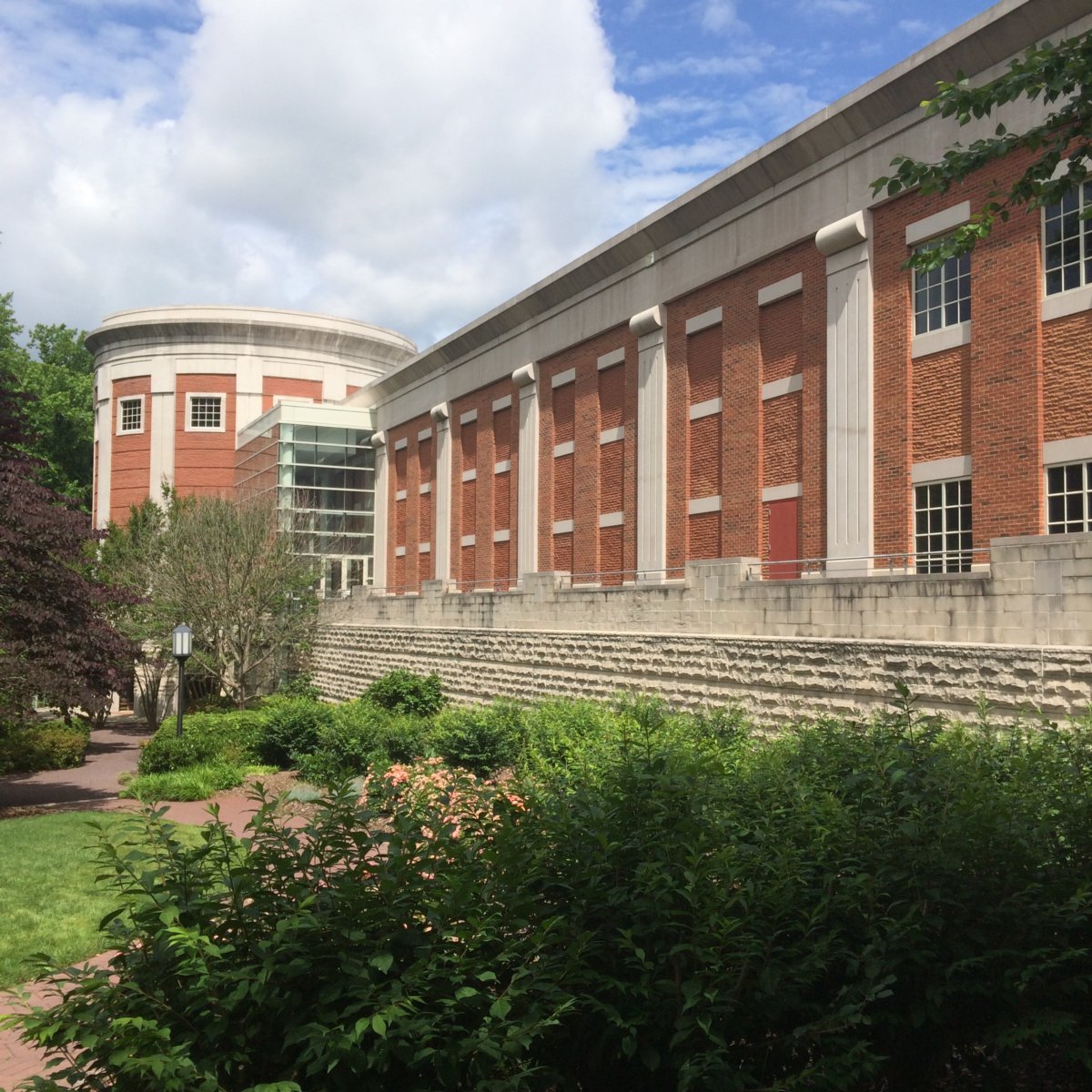
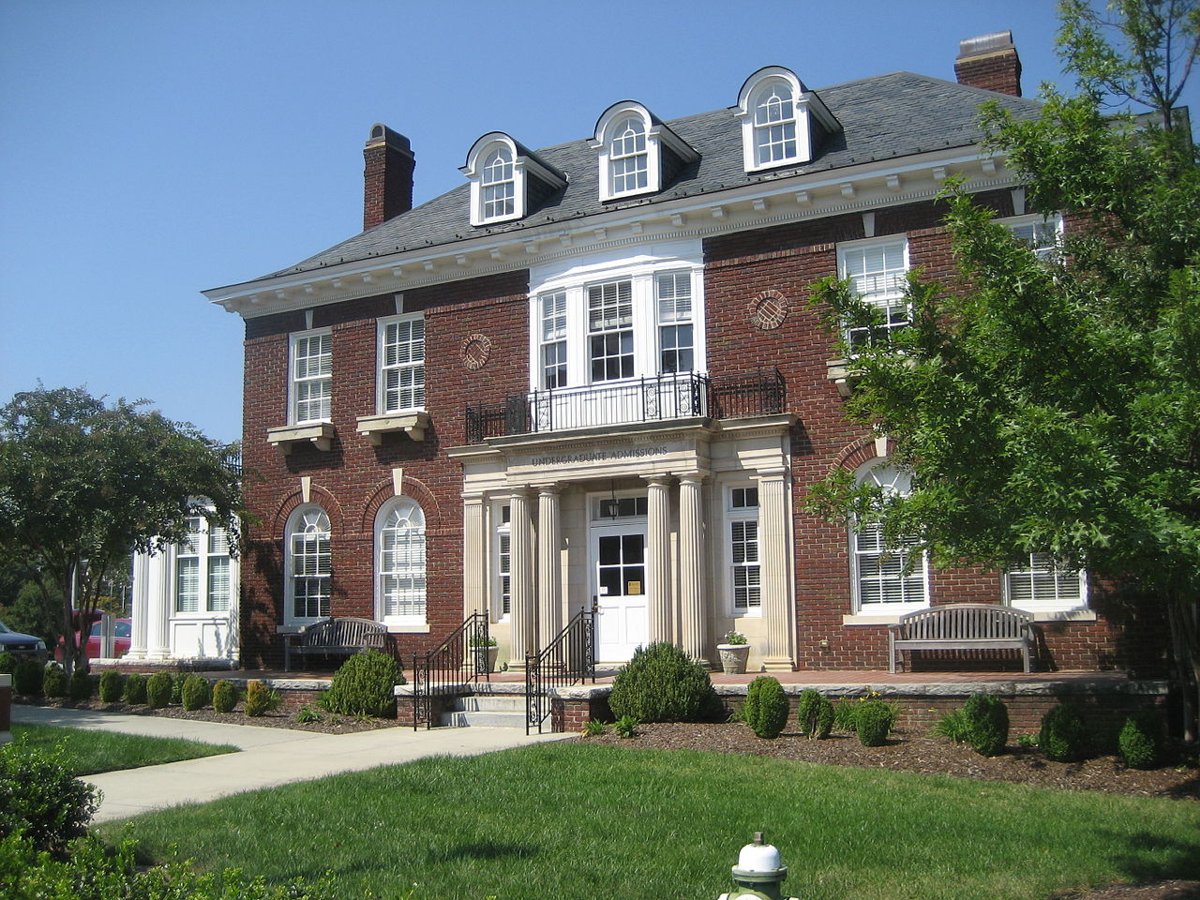
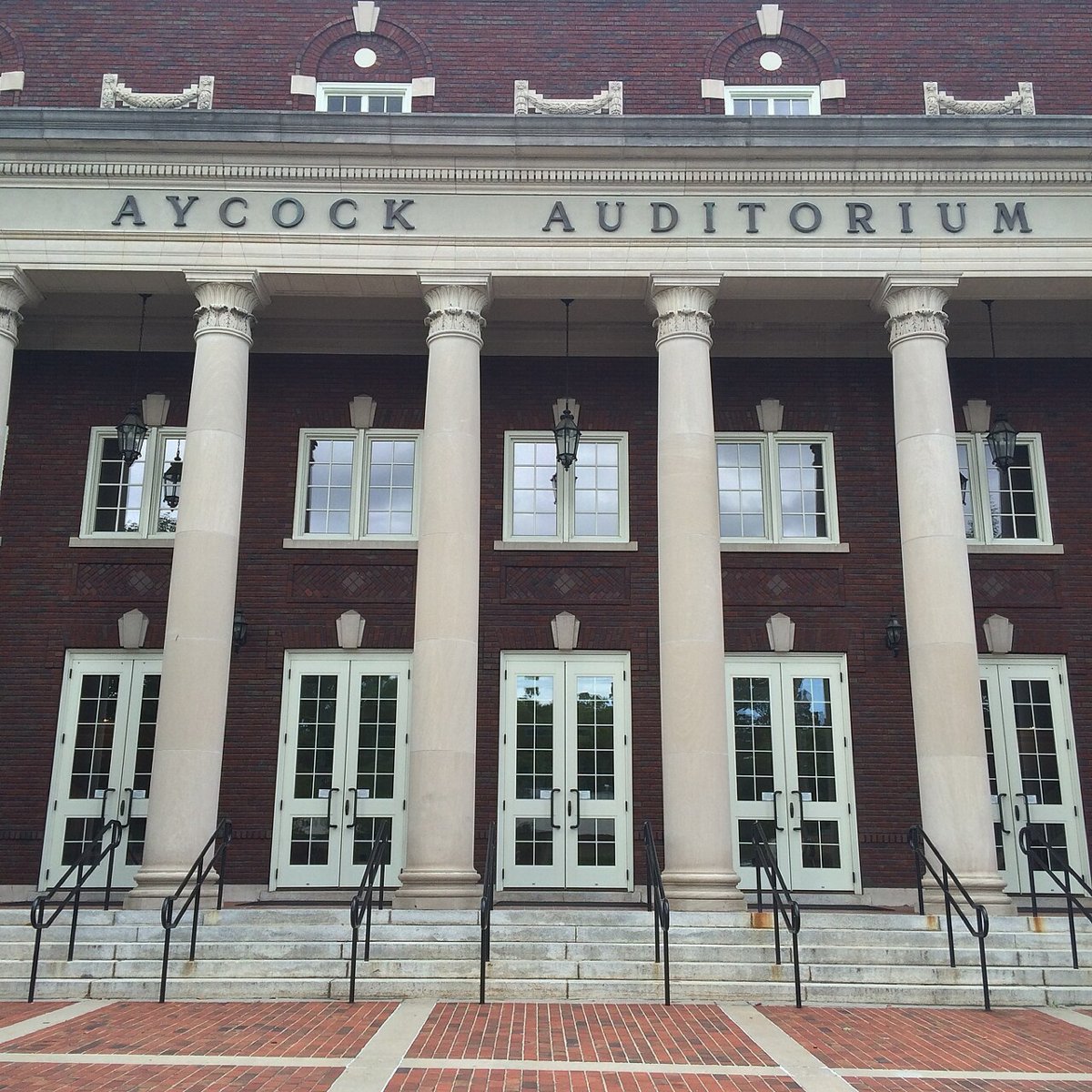
Greensboro sits in North Carolina's Piedmont region, meaning you'll need both winter coats for chilly January mornings and shorts for humid August days. The city provides internship opportunities and off-campus entertainment, while you're just 90 minutes from Charlotte and three hours from the mountains or coast. Women make up 66% of the student body, contributing to UNCG's reputation as a nurturing environment for future teachers and nurses. Weekend life revolves around Spartan athletics, downtown Greensboro's music venues, and the campus's strong performing arts programs that regularly showcase student talent.
- Setting
- City-Large
- Housing Capacity
- 5,600 beds
- Calendar System
- Semester
- Study Abroad
- Available
- Founded
- 1891
Campus Safety (2023)
157 total reported incidents. Source: Clery Act / U.S. Department of Education
| Offense | On Campus | Residential | Noncampus | Public Property |
|---|---|---|---|---|
| Dating Violence | 30 | 19 | 0 | 0 |
| Stalking | 28 | 9 | 0 | 0 |
| Burglary | 12 | 8 | 1 | 0 |
| Rape | 11 | 9 | 0 | 0 |
| Fondling | 10 | 7 | 0 | 0 |
| Domestic Violence | 2 | 2 | 0 | 2 |
| Motor Vehicle Theft | 4 | 0 | 0 | 0 |
| Aggravated Assault | 2 | 0 | 0 | 0 |
| Robbery | 1 | 0 | 0 | 0 |
Climate & Weather
- January Avg
- 29°–50°F
- July Avg
- 70°–88°F
- Annual Precipitation
- 45.9"
- Annual Snowfall
- 7.1"
Student Demographics
- Men
- 33.6%
- Women
- 66.4%
- White
- 39.0%
- Black
- 30.7%
- Hispanic
- 16.6%
- Asian
- 5.8%
- In-State Students
- 94.4%
- Pell Grant Recipients
- 47.1%
Location
- Address
- Greensboro, North Carolina 27402-6170
After College
Source: College Scorecard / U.S. Department of Education
- Median Earnings (10 years)
- $48,160
- Median Earnings (5 years)
- $48,436
- Mean Earnings (6 years after entry)
- $33,100
- Loan Repayment Rate
- 54.6%
- Monthly Loan Payment
- $242/mo
- Median Debt at Graduation
- $22,858
Frequently Asked Questions
What is the acceptance rate at University of North Carolina at Greensboro?
UNCG accepts 91.94% of applicants, making it highly accessible to North Carolina students seeking quality public education. The middle 50% of students score between 1110-1280 on the SAT. This open admission philosophy aligns with the university's mission to serve the diverse Piedmont Triad region.
How much does University of North Carolina at Greensboro cost after financial aid?
Students pay an average net price of $10,170 annually, with in-state tuition at just $7,593. Nearly half of students (47.10%) receive Pell Grants, reflecting UNCG's commitment to educating first-generation and low-income students. Graduates typically leave with $22,858 in debt and monthly loan payments of $242.
What is University of North Carolina at Greensboro known for academically?
UNCG built its reputation on strong teacher preparation, nursing, and performing arts programs. The 17:1 student-faculty ratio supports the university's focus on undergraduate teaching rather than research. Women comprise 66.43% of enrollment, partly reflecting the school's historical strengths in education and health sciences.
What are the graduation rates at University of North Carolina at Greensboro?
The six-year graduation rate stands at 57.90%, with graduates earning a median of $48,160 ten years after enrollment. The 75.79% retention rate suggests some students struggle with the transition to college life. However, 94.5% of graduates find employment, and the university's practical programs prepare students for steady careers in teaching, healthcare, and public service.
Where do students live at University of North Carolina at Greensboro?
Housing capacity reaches 5,600 students on the large city campus in Greensboro. Room and board costs $10,534, keeping total attendance costs reasonable at $18,977 annually. The urban setting provides internship and job opportunities while maintaining an affordable cost of living compared to larger North Carolina cities.
Does University of North Carolina at Greensboro have notable alumni?
UNCG's most famous graduate is NBA superstar Stephen Curry, who transferred here to develop his basketball skills and leadership. Other distinguished alumni include former U.S. Senator Richard Burr and acclaimed poet Randall Jarrell. The university's 13 Division I sports teams compete in the Southern Conference, with 238 student-athletes receiving $2,978,073 in athletic scholarships.
Similar Schools

East Carolina University
Greenville, North Carolina

University of Toledo
Toledo, Ohio
Southern Illinois University-Carbondale
Carbondale, Illinois
Montclair State University
Montclair, New Jersey

California State University-San Bernardino
San Bernardino, California

Portland State University
Portland, Oregon