
About University of North Dakota
Students pay an average net price of $19,000 after financial aid. Graduates earn a median salary of $63,552 ten years after graduation, making the typical debt load of $22,057 manageable with monthly payments around $234. The return on investment works well for most students. In-state students get a particularly good deal with tuition under $11,000. Only 16% of students receive Pell Grants, suggesting many families can afford the costs without significant need-based aid.
The Fighting Hawks compete in NCAA Division I athletics with 370 student-athletes across 13 sports. Men slightly outnumber women at 55% to 45%. Nearly 60% of students come from out of state, bringing geographic diversity to this northern campus. The 83% freshman retention rate shows most students stick around after their first year.
Academics & Faculty
Source: College Scorecard / U.S. Department of Education
- Student-to-Faculty Ratio
- 17:1
- Full-Time Faculty
- 91.7%
- Graduation Rate (4-year)
- 63.2%
- Graduation Rate (6-year)
- 63.3%
- Retention Rate
- 83.0%
- Median Earnings (10 years)
- $63,552
- Carnegie Classification
- Doctoral University (R2)
Popular Programs by Earnings
| Program | Level | Median Earnings |
|---|---|---|
| Registered Nursing, Nursing Administration, Nursing Research and Clinical Nursing. | Master | $107,376 |
| Allied Health Diagnostic, Intervention, and Treatment Professions. | Master | $101,645 |
| Business Administration, Management and Operations. | Master | $76,460 |
| Electrical, Electronics and Communications Engineering. | Bachelor | $76,460 |
| Petroleum Engineering. | Bachelor | $72,762 |
| Rehabilitation and Therapeutic Professions. | Doctoral | $67,660 |
| Chemical Engineering. | Bachelor | $66,325 |
| Mechanical Engineering. | Bachelor | $64,608 |
| Industrial Production Technologies/Technicians. | Bachelor | $63,005 |
| Civil Engineering. | Bachelor | $63,005 |
Campus Life
The Fighting Hawks create a strong athletic culture, with 370 varsity athletes competing across 13 Division I sports. Hockey dominates campus conversations during the long winters. Students often gather at the Ralph Engelstad Arena, one of college hockey's top venues. The aviation program draws students from across the country to train at the John D. Odegard School of Aerospace Sciences. With 54.7% male enrollment, the gender balance reflects the engineering and aviation focus. Weekend activities revolve around hockey games, intramural sports, and the occasional trip to Minneapolis, three hours south. The 82.96% retention rate suggests students adapt well to the prairie lifestyle despite the harsh winters.
- Setting
- City-Small
- Housing Capacity
- 2,986 beds
- Calendar System
- Semester
- Study Abroad
- Available
- Founded
- 1883
Campus Safety (2023)
64 total reported incidents. Source: Clery Act / U.S. Department of Education
| Offense | On Campus | Residential | Noncampus | Public Property |
|---|---|---|---|---|
| Rape | 9 | 9 | 2 | 0 |
| Burglary | 9 | 7 | 0 | 0 |
| Stalking | 8 | 5 | 0 | 0 |
| Fondling | 4 | 4 | 0 | 0 |
| Domestic Violence | 1 | 1 | 1 | 1 |
| Motor Vehicle Theft | 0 | 0 | 2 | 0 |
| Aggravated Assault | 1 | 0 | 0 | 0 |
Climate & Weather
- January Avg
- -1°–15°F
- July Avg
- 58°–80°F
- Annual Precipitation
- 22.8"
- Annual Snowfall
- 48.7"
Student Demographics
- Men
- 54.7%
- Women
- 45.3%
- White
- 78.6%
- Black
- 2.5%
- Hispanic
- 5.7%
- Asian
- 2.3%
- In-State Students
- 41.8%
- Pell Grant Recipients
- 16.5%
Location
- Address
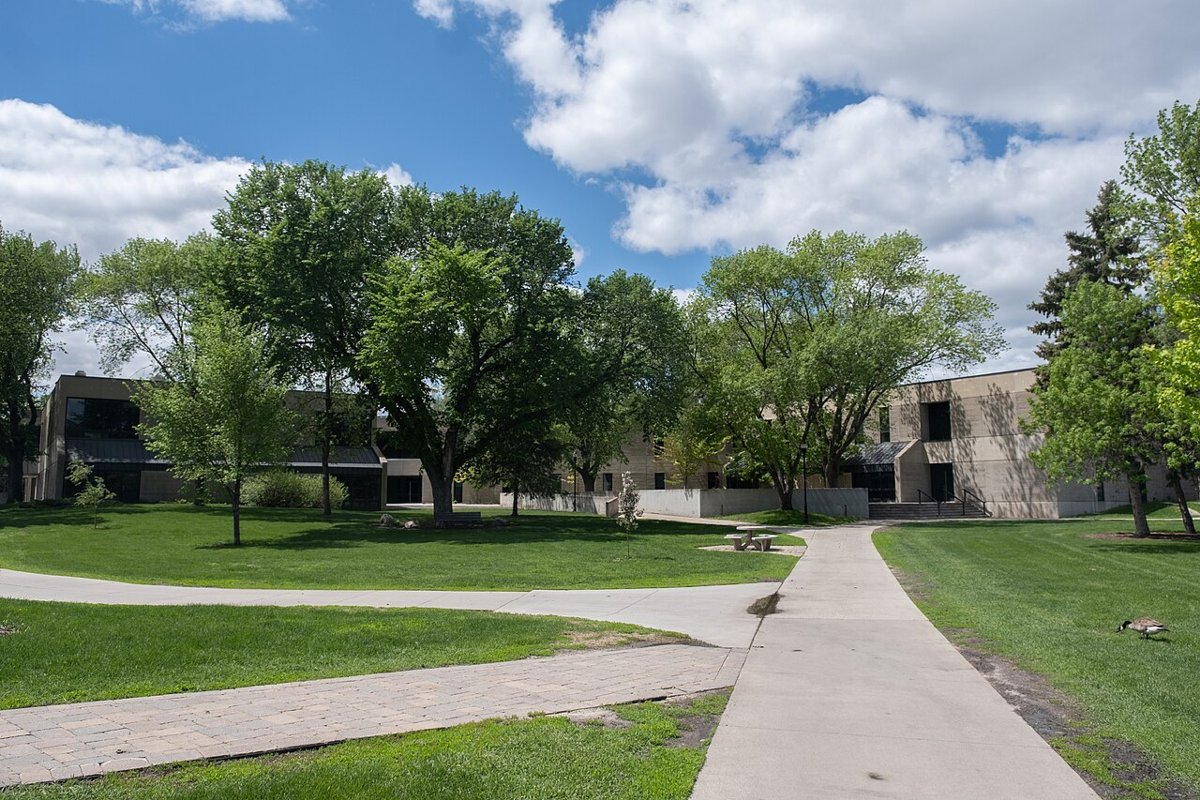
- Grand Forks, North Dakota 58202-8193
After College
Source: College Scorecard / U.S. Department of Education
- Median Earnings (10 years)
- $63,552
- Median Earnings (5 years)
- $65,538
- Mean Earnings (6 years after entry)
- $45,400
- Loan Repayment Rate
- 75.7%
- Monthly Loan Payment
- $234/mo
- Median Debt at Graduation
- $22,057
Frequently Asked Questions
What is the acceptance rate at University of North Dakota?
University of North Dakota accepts 83.28% of applicants, making it accessible to most students who apply. The school attracts students from across the region, with 58.24% coming from out-of-state to study in Grand Forks.
How much does University of North Dakota cost after financial aid?
The average net price at University of North Dakota is $18,998 annually across all income levels. Students from families earning under $30,000 pay just $13,914 on average, while out-of-state tuition runs $15,570 before aid.
What is University of North Dakota known for academically?
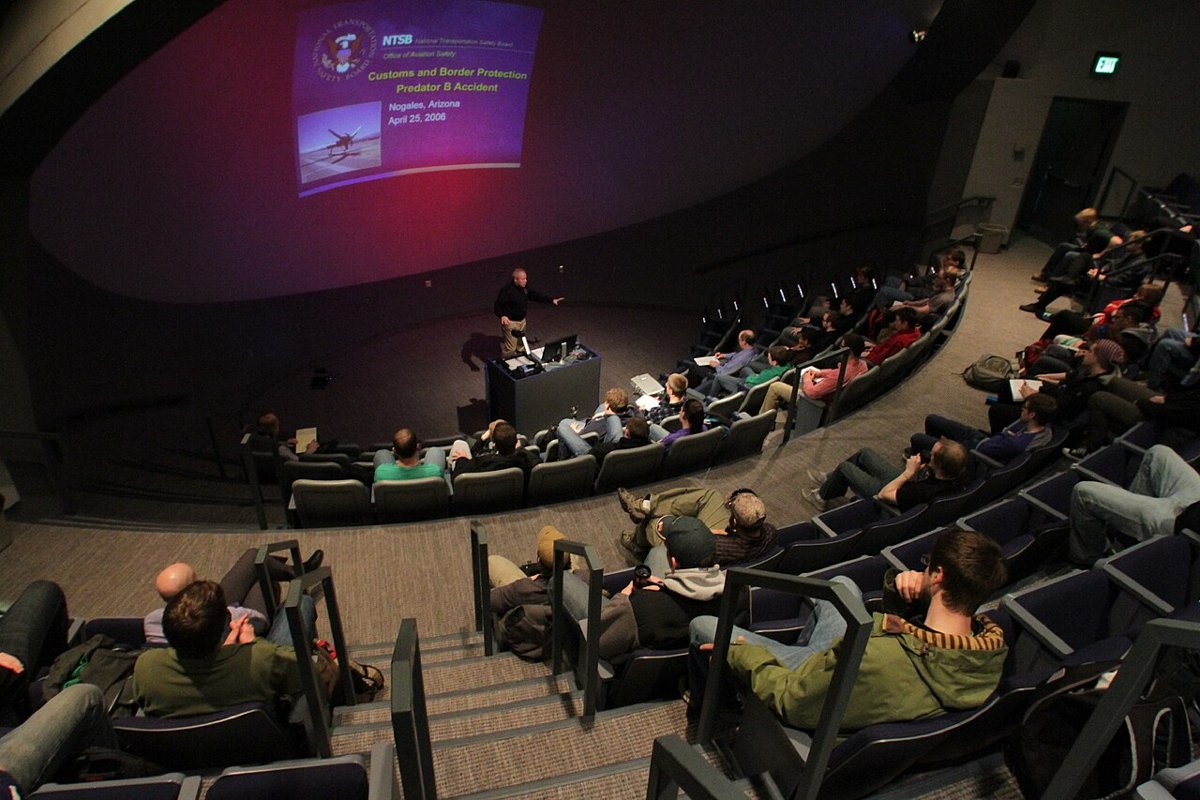
University of North Dakota operates one of the largest flight training schools in the country and maintains a well-known aviation program. The university has a 17:1 student-faculty ratio and serves 9,296 students across its research programs.
What are the job prospects after graduating from University of North Dakota?
University of North Dakota graduates achieve a 96.7% employment rate within six years of graduation. Alumni earn a median salary of $63,552 ten years after graduation, with typical monthly loan payments of $234.
Where do University of North Dakota students live on campus?
University of North Dakota houses students in facilities with a capacity of 2,986, serving a campus of 9,296 total students. The university charges $11,046 for room and board, contributing to a total attendance cost of $22,797 for residents.
Does University of North Dakota compete in Division I athletics?
University of North Dakota fields 13 varsity sports in NCAA Division I as part of The Summit League. The Fighting Hawks provide $5,690,351 in athletic scholarships to support 370 student-athletes across their programs.
Similar Schools

Eastern Michigan University
Ypsilanti, Michigan

University of Akron Main Campus
Akron, Ohio

Western Michigan University
Kalamazoo, Michigan

University of Colorado Colorado Springs
Colorado Springs, Colorado

Missouri University of Science and Technology
Rolla, Missouri

East Tennessee State University
Johnson City, Tennessee