About University of Oregon
Students pay an average net price of $21,782 after aid, making Oregon accessible despite the $43,302 sticker price for out-of-state families. Graduates earn a median $61,324 ten years out, easily covering the typical $20,139 debt load with monthly payments around $214. The 86% acceptance rate means most qualified students get in, though the 72% four-year graduation rate suggests staying focused matters.
Oregon's athletic culture runs deep, with 518 student-athletes competing across 16 Division I sports backed by over $14 million in scholarships. The Ducks recently joined the Big Ten Conference, elevating their already fierce rivalry with Oregon State. Women make up 56% of campus, while nearly half the students come from in-state. The quarter system keeps academics moving fast, matching the pace of Eugene's outdoor lifestyle.
Academics & Faculty
Source: College Scorecard / U.S. Department of Education
- Student-to-Faculty Ratio
- 20:1
- Full-Time Faculty
- 69.7%
- Graduation Rate (4-year)
- 72.5%
- Graduation Rate (6-year)
- 71.5%
- Retention Rate
- 85.0%
- Median Earnings (10 years)
- $61,324
- Carnegie Classification
- Doctoral University (R1)
Popular Programs by Earnings
| Program | Level | Median Earnings |
|---|---|---|
| Management Information Systems and Services. | Master | $117,572 |
| Educational Administration and Supervision. | Doctoral | $89,230 |
| Business Administration, Management and Operations. | Master | $86,621 |
| Economics. | Doctoral | $84,653 |
| Chemistry. | Doctoral | $83,177 |
| Physics. | Master | $75,832 |
| Chemistry. | Master | $72,231 |
| Public Relations, Advertising, and Applied Communication. | Master | $71,486 |
| Communication Disorders Sciences and Services. | Master | $62,012 |
| Computer and Information Sciences, General. | Bachelor | $61,681 |
Campus Life
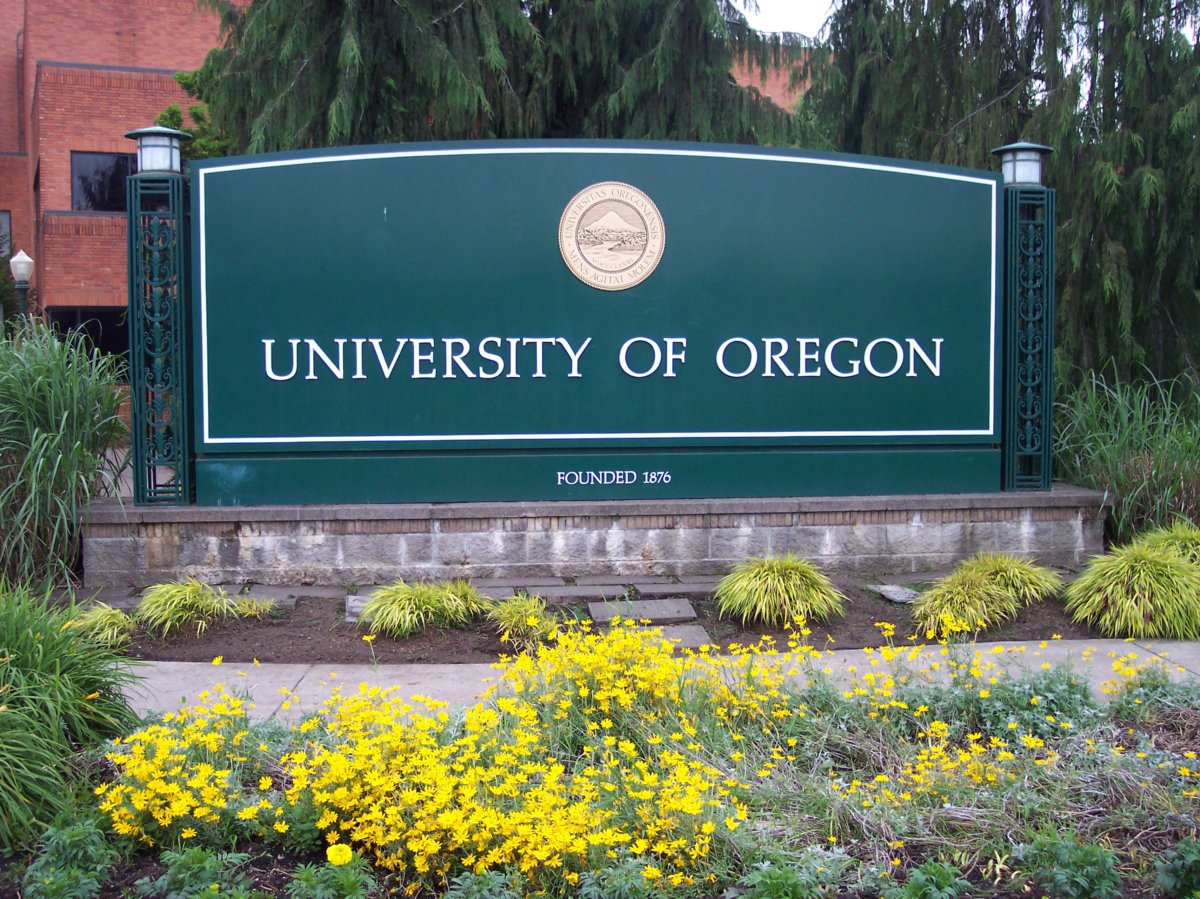
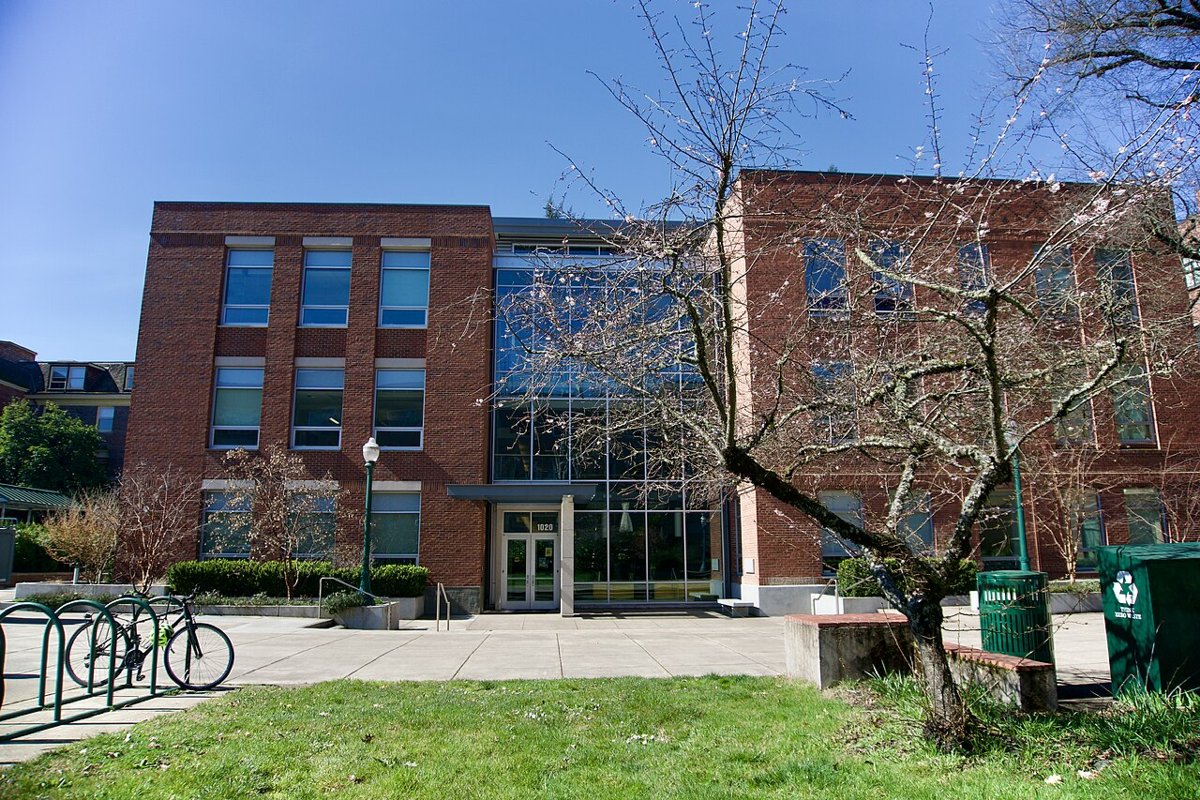
With housing capacity for 6,135 students among 19,758 total enrollment, about 31% live on campus. The quarter system keeps academics moving fast, but weekends revolve around Duck football at Autzen Stadium, especially during Big Ten Conference games. Students flock to Saturday Market downtown, hike Spencer Butte, or catch shows at the historic McDonald Theatre. The campus bike culture runs deep, Eugene's extensive trail system connects students to coffee shops, food trucks, and the Willamette River paths. Nike's presence looms large thanks to alumnus Phil Knight, creating a campus where athletic gear and environmental consciousness blend naturally.
- Setting
- City-Midsize
- Housing Capacity
- 6,135 beds
- Calendar System
- Quarter
- Study Abroad
- Available
- Founded
- 1876
Campus Safety (2023)
163 total reported incidents. Source: Clery Act / U.S. Department of Education
| Offense | On Campus | Residential | Noncampus | Public Property |
|---|---|---|---|---|
| Burglary | 30 | 13 | 1 | 0 |
| Motor Vehicle Theft | 38 | 4 | 2 | 0 |
| Stalking | 16 | 9 | 1 | 0 |
| Fondling | 9 | 7 | 1 | 0 |
| Rape | 8 | 7 | 0 | 0 |
| Arson | 3 | 3 | 0 | 0 |
| Dating Violence | 2 | 2 | 0 | 0 |
| Domestic Violence | 2 | 2 | 0 | 0 |
| Robbery | 3 | 0 | 0 | 0 |
Climate & Weather
- January Avg
- 34°–48°F
- July Avg
- 51°–84°F
- Annual Precipitation
- 40.8"
- Annual Snowfall
- 2.7"
Student Demographics
- Men
- 43.9%
- Women
- 56.1%
- White
- 61.8%
- Black
- 2.7%
- Hispanic
- 15.8%
- Asian
- 6.8%
- In-State Students
- 48.5%
- Pell Grant Recipients
- 22.0%
Location
- Address
- Eugene, Oregon 97403

After College
Source: College Scorecard / U.S. Department of Education
- Median Earnings (10 years)
- $61,324
- Median Earnings (5 years)
- $60,069
- Mean Earnings (6 years after entry)
- $39,800
- Loan Repayment Rate
- 62.5%
- Monthly Loan Payment
- $214/mo
- Median Debt at Graduation
- $20,139
Frequently Asked Questions
What is the acceptance rate at University of Oregon?
University of Oregon accepts 86.29% of applicants, making it accessible to most students who meet basic requirements. The middle 50% of admitted students score between 1140 and 1370 on the SAT, reflecting the school's focus on building a diverse student body rather than ultra-selective admissions.
How much does University of Oregon cost after financial aid?
The average net price at University of Oregon is $21,782 after aid, though costs vary by family income. Students from families earning under $30,000 pay just $15,975 on average, while those from higher-income families pay closer to the full out-of-state tuition of $43,302.
What is University of Oregon known for academically?
University of Oregon is well-known for its journalism school, which has produced notable alumni like Ann Curry and other media professionals. The business school also draws strong enrollment, and with a 20:1 student-faculty ratio, students get solid access to professors across the university's research programs.
What do University of Oregon graduates earn after college?
University of Oregon graduates earn a median salary of $61,324 ten years after graduation, with a strong employment rate of 94.1%. The 71.50% six-year graduation rate reflects the school's quarter system and research university environment, where some students take longer to complete degrees.
Where do University of Oregon students live on campus?
University of Oregon houses 6,135 students on campus in Eugene, a mid-size college town that balances urban amenities with outdoor recreation. With 19,758 total students and nearly equal numbers of in-state and out-of-state enrollment, the campus maintains a diverse Pacific Northwest vibe.
How competitive are University of Oregon's athletics?
The Oregon Ducks compete in NCAA Division I and recently joined the Big Ten Conference, offering 16 varsity sports with $14.4 million in athletic scholarships. The program is legendary for track and field, continuing the legacy of Nike co-founder Phil Knight, and draws national attention in football and basketball.