

About University of Pittsburgh-Johnstown
The financial picture looks reasonable for most families. Students pay an average net price of $18,952 after aid, though low-income families pay just $10,031. Graduates earn a median of $66,125 ten years after graduation, making the typical debt load of $24,250 manageable. Monthly loan payments average $257 for those who borrow. The employment rate hits 95.6%, suggesting strong job placement for graduates.
Getting in proves relatively easy with a 97% acceptance rate, though staying proves more challenging. Only 53% of students graduate within six years, and 76% return for sophomore year. The Mountain Cats compete in NCAA Division II with 280 student-athletes across 11 sports. Men slightly outnumber women at 56% of enrollment. The campus houses most of its students, with capacity for 1,831 in residence halls.
Academics & Faculty
Source: College Scorecard / U.S. Department of Education
- Student-to-Faculty Ratio
- 14:1
- Full-Time Faculty
- 88.4%
- Graduation Rate (4-year)
- 51.0%
- Graduation Rate (6-year)
- 53.4%
- Retention Rate
- 76.0%
- Median Earnings (10 years)
- $66,125
- Carnegie Classification
- Baccalaureate College
Popular Programs by Earnings
| Program | Level | Median Earnings |
|---|---|---|
| Electrical Engineering Technologies/Technicians. | Bachelor | $69,221 |
| Electrical, Electronics and Communications Engineering. | Bachelor | $68,918 |
| Chemical Engineering. | Bachelor | $68,422 |
| Computer Science. | Bachelor | $67,202 |
| Mechanical Engineering. | Bachelor | $66,728 |
| Computer Engineering. | Bachelor | $65,131 |
| Civil Engineering. | Bachelor | $62,856 |
| Information Science/Studies. | Bachelor | $58,479 |
| Civil Engineering Technologies/Technicians. | Bachelor | $58,221 |
| Accounting and Related Services. | Bachelor | $55,136 |
Campus Life
With 280 student-athletes competing across 11 Division II sports, Mountain Cats games draw solid crowds, especially during basketball season in the Sports Center. The 14:1 student-faculty ratio means professors know students by name, and the 76% retention rate reflects how many students genuinely enjoy the community feel. Weekend activities center around campus events, hiking nearby trails, or making the hour-plus drive to Pittsburgh for concerts and city attractions. The strong employment rate of 95.6% suggests the close relationships and practical programs here translate well to post-graduation success.
- Setting
- Suburb-Small
- Housing Capacity
- 1,831 beds
- Calendar System
- Semester
- Study Abroad
- Available
Campus Safety (2023)
7 total reported incidents. Source: Clery Act / U.S. Department of Education
| Offense | On Campus | Residential | Noncampus | Public Property |
|---|---|---|---|---|
| Rape | 3 | 3 | 0 | 0 |
| Burglary | 1 | 0 | 0 | 0 |
Climate & Weather
- January Avg
- 18°–32°F
- July Avg
- 60°–78°F
- Annual Precipitation
- 41.1"
- Annual Snowfall
- 0.0"
Student Demographics
- Men
- 55.8%
- Women
- 44.2%
- White
- 72.7%
- Black
- 5.0%
- Hispanic
- 4.2%
- Asian
- 3.7%
- In-State Students
- 92.3%
- Pell Grant Recipients
- 29.1%
Location
- Address
- Johnstown, Pennsylvania 15904
After College
Source: College Scorecard / U.S. Department of Education
- Median Earnings (10 years)
- $66,125
- Median Earnings (5 years)
- $69,754
- Mean Earnings (6 years after entry)
- $44,300
- Loan Repayment Rate
- 75.3%
- Monthly Loan Payment
- $257/mo
- Median Debt at Graduation
- $24,250
Frequently Asked Questions
What is the acceptance rate at University of Pittsburgh-Johnstown?
The acceptance rate sits at 97.41%, making admission quite accessible for most applicants. As a regional campus of the University of Pittsburgh system, UPJ focuses on providing quality education rather than exclusivity. The average SAT score of 1120 reflects the school's commitment to supporting students with diverse academic backgrounds.
How much does University of Pittsburgh-Johnstown cost after financial aid?
The average net price is $18,952, though costs vary by family income. Students from families earning under $30,000 pay just $10,031 after aid, while those from higher-income families pay closer to $23,540. The school keeps debt manageable with a median of $24,250 and monthly loan payments around $257.
What is the student-faculty ratio at University of Pittsburgh-Johnstown?
The student-faculty ratio stands at 14:1, providing solid access to professors in this smaller campus setting. With only 1,934 students total, UPJ offers a more intimate learning environment than many larger universities. The retention rate of 76.03% suggests students appreciate the personalized attention they receive.
What are the graduation rates at University of Pittsburgh-Johnstown?
The six-year graduation rate reaches 53.40%, while 50.98% of students finish within four years. These rates reflect the school's role as an access-oriented institution serving many first-generation college students. Graduates earn a median of $66,125 ten years after enrollment, showing solid career outcomes despite longer completion timelines.
Where is University of Pittsburgh-Johnstown located and what is campus life like?
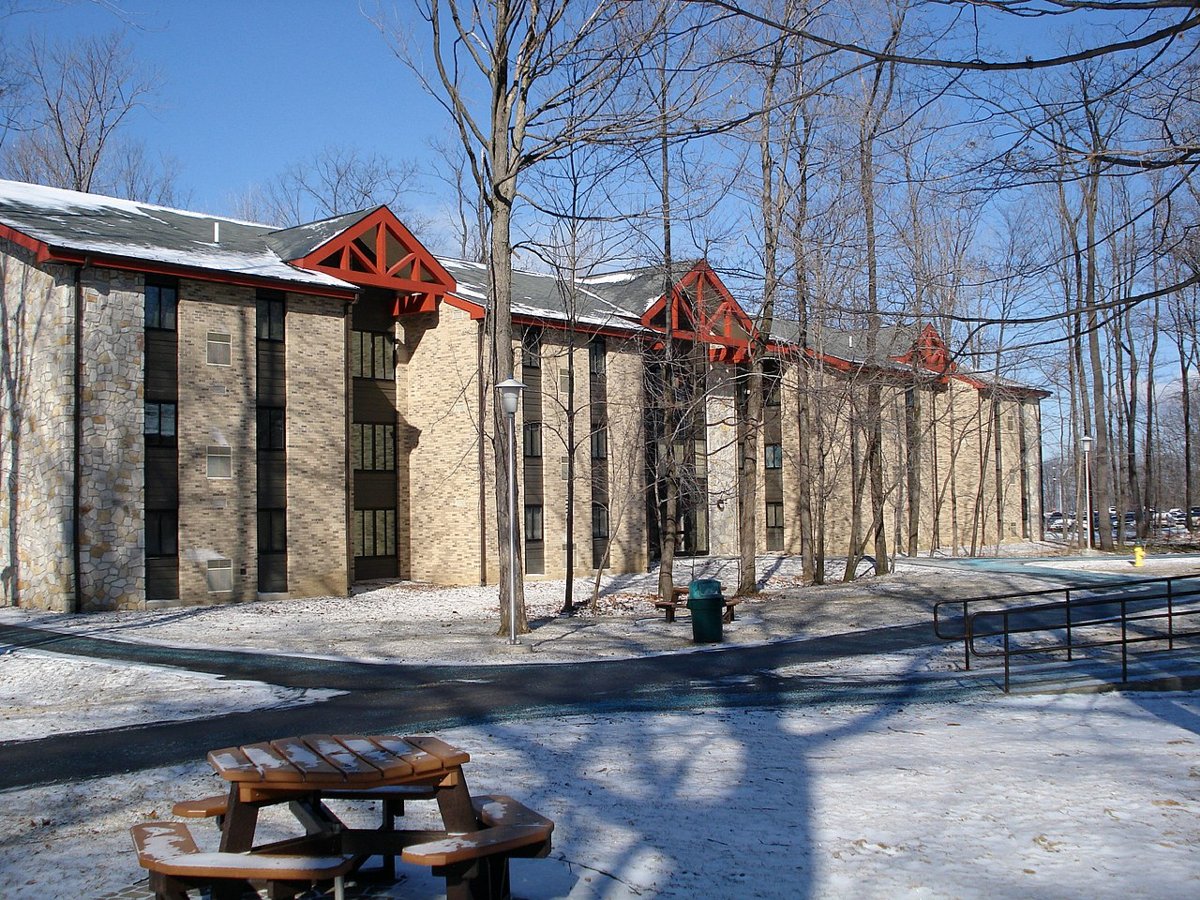
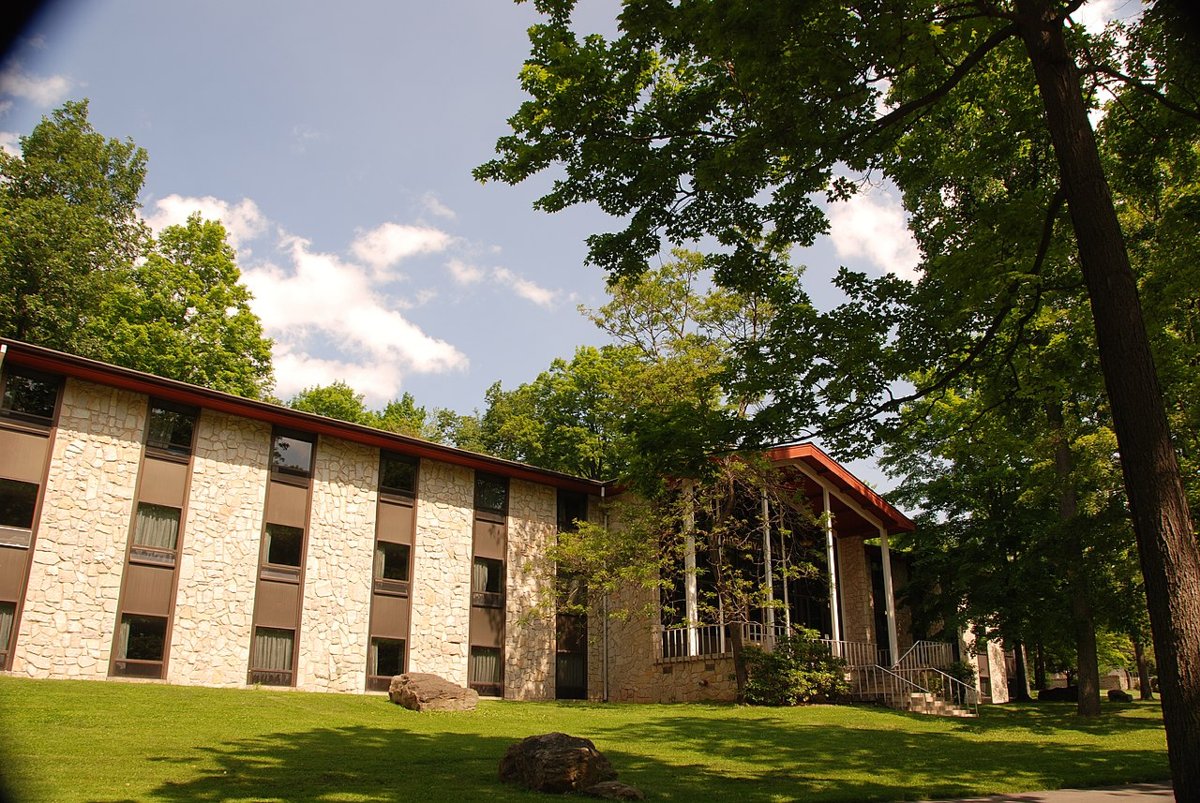
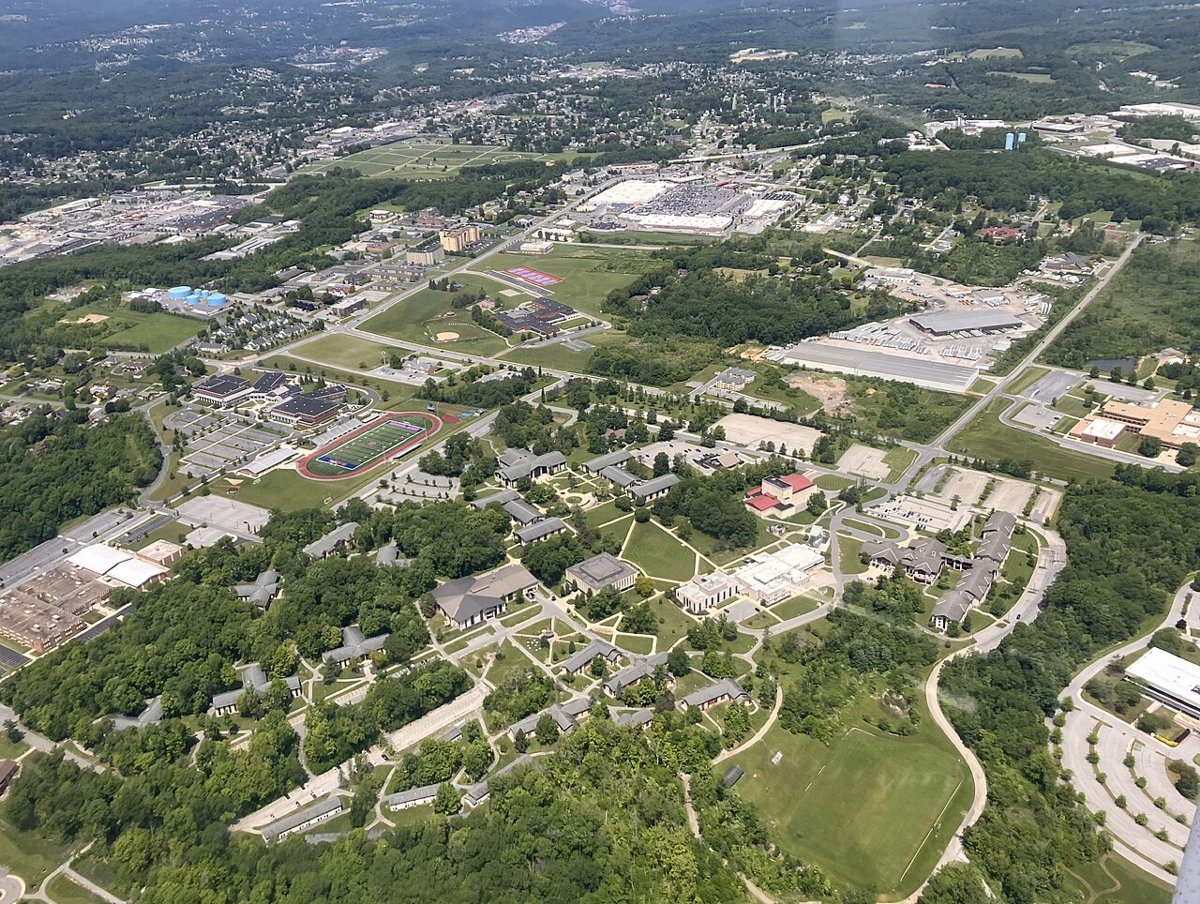
The campus sits in suburban Johnstown, Pennsylvania, a small city setting that offers both community feel and urban amenities. Housing capacity of 1,831 can accommodate nearly the entire student body of 1,934. The Mountain Cats compete in NCAA Division II with 280 student-athletes across 11 varsity sports, creating school spirit in this tight-knit community.
Does University of Pittsburgh-Johnstown serve mostly Pennsylvania residents?
An impressive 92.31% of students come from Pennsylvania, making this truly a regional campus serving local communities. The student body is 55.79% male and 72.65% white, reflecting the demographics of western Pennsylvania. Nearly 30% of students receive Pell Grants, highlighting the school's mission to serve working-class families in the region.
Similar Schools

University of Pittsburgh-Bradford
Bradford, Pennsylvania

Pennsylvania State University-Penn State Berks
Reading, Pennsylvania

University of Pittsburgh-Greensburg
Greensburg, Pennsylvania

Pennsylvania State University-Penn State Brandywine
Media, Pennsylvania

Pennsylvania State University-Penn State Altoona
Altoona, Pennsylvania
Bluefield State University
Bluefield, West Virginia