About University of the District of Columbia
Students pay an average net price of $14,693 after financial aid, making UDC one of the more affordable options in an expensive city. In-state tuition costs just $6,152 annually. Graduates earn a median salary of $44,236 ten years after graduation, with typical student debt of $24,872. The loan repayment rate sits at 30.62%, indicating financial challenges for some alumni. However, the employment rate reaches 91.6%, showing strong job placement despite modest starting salaries.
The student body reflects DC's diversity, with 54.19% Black students and 27.89% Hispanic students creating a multicultural environment. Women make up 66.95% of enrollment. The 6:1 student-faculty ratio provides personalized attention, though the 26.30% six-year graduation rate suggests students face significant academic and financial obstacles to degree completion.
Academics & Faculty
Source: College Scorecard / U.S. Department of Education
- Student-to-Faculty Ratio
- 6:1
- Full-Time Faculty
- 37.1%
- Graduation Rate (4-year)
- 30.2%
- Graduation Rate (6-year)
- 26.3%
- Retention Rate
- 66.7%
- Median Earnings (10 years)
- $44,236
- Carnegie Classification
- Master's University (Medium)
Popular Programs by Earnings
| Program | Level | Median Earnings |
|---|---|---|
| Bioethics/Medical Ethics. | Bachelor | $80,336 |
| Bioethics/Medical Ethics. | Associate | $67,101 |
| Criminal Justice and Corrections. | Master | $63,005 |
| Teacher Education and Professional Development, Specific Levels and Methods. | Master | $56,776 |
| Accounting and Related Services. | Bachelor | $52,289 |
| Computer and Information Sciences, General. | Bachelor | $43,575 |
| Business Administration, Management and Operations. | Bachelor | $42,682 |
| Political Science and Government. | Bachelor | $42,682 |
| Non-Professional General Legal Studies (Undergraduate). | Bachelor | $39,927 |
| Biology, General. | Bachelor | $36,141 |
Campus Life
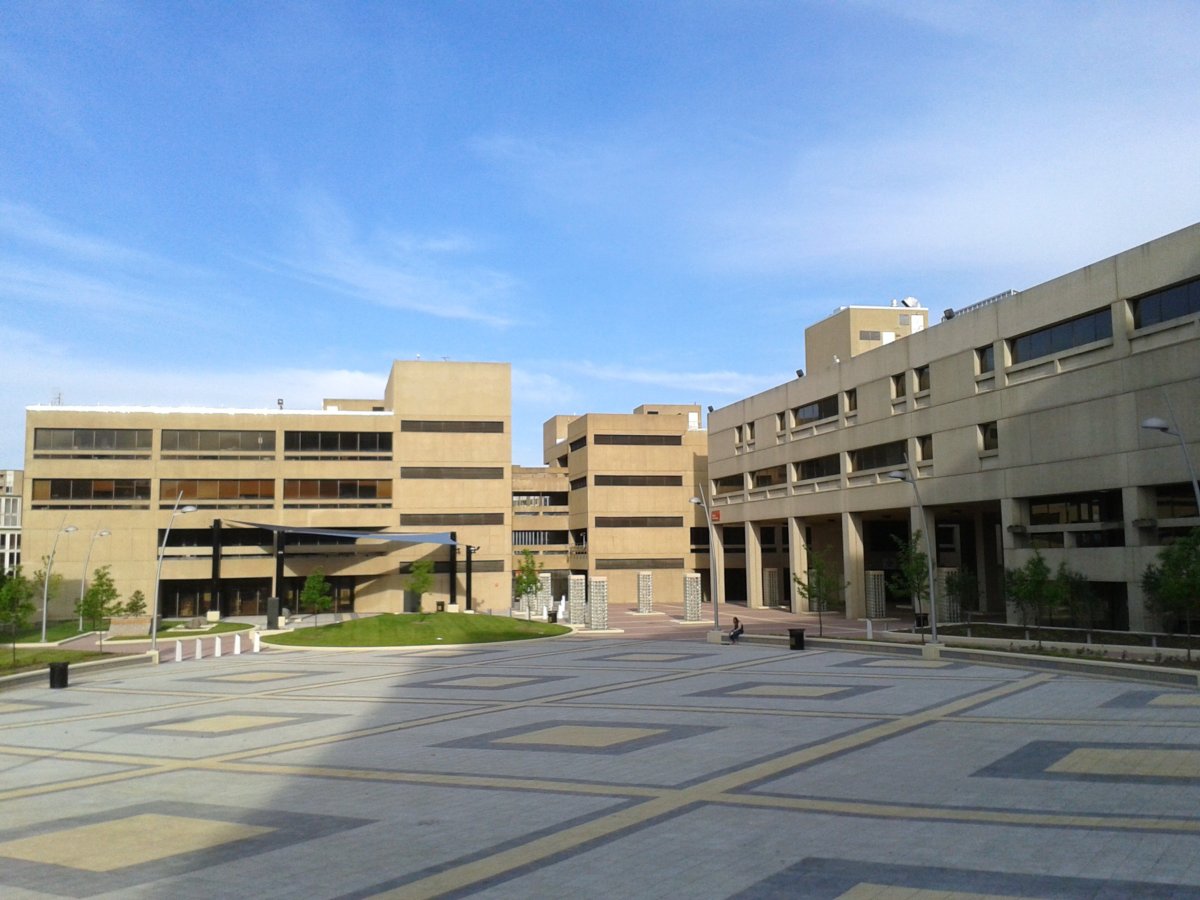
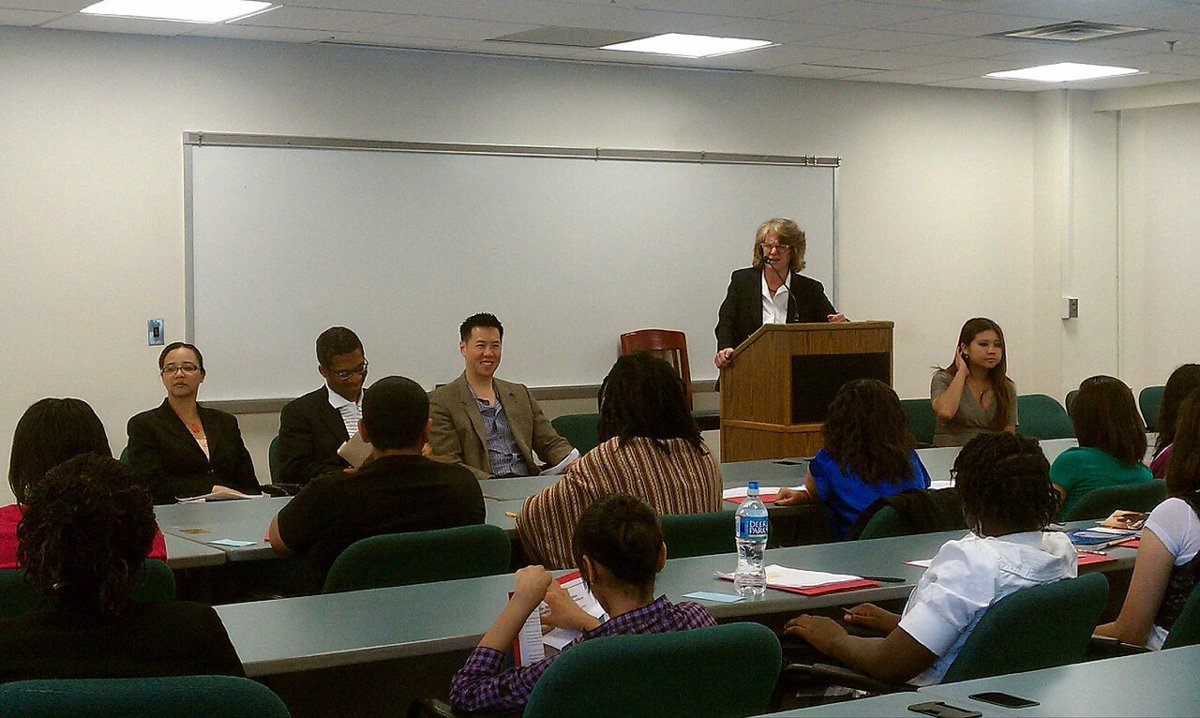
Winters require heavy coats as temperatures drop into the 30s, while humid summers mean students dress light between classes. The 6:1 student-faculty ratio creates small, discussion-based classrooms where professors know every name. Weekends often involve exploring DC's free museums, attending political rallies, or catching Metro trains to Georgetown and Adams Morgan. The Firebirds compete in 10 NCAA Division II sports with 110 total athletes, though games draw modest crowds. Students frequently intern at federal agencies, nonprofits, and lobbying firms just blocks away. The campus buzzes with political energy during election seasons, and many students work part-time jobs to offset the $14,693 average net price.
- Setting
- City-Large
- Calendar System
- Semester
- Founded
- 1851
Campus Safety (2023)
13 total reported incidents. Source: Clery Act / U.S. Department of Education
| Offense | On Campus | Residential | Noncampus | Public Property |
|---|---|---|---|---|
| Fondling | 2 | 0 | 0 | 3 |
| Aggravated Assault | 4 | 0 | 0 | 0 |
| Motor Vehicle Theft | 2 | 0 | 0 | 2 |
Climate & Weather
- January Avg
- 25°–42°F
- July Avg
- 68°–88°F
- Annual Precipitation
- 48.5"
- Annual Snowfall
- 5.8"
Student Demographics
- Men
- 33.1%
- Women
- 67.0%
- White
- 3.2%
- Black
- 54.2%
- Hispanic
- 27.9%
- Asian
- 1.3%
- In-State Students
- 85.7%
- Pell Grant Recipients
- 42.8%
Location
- Address
- Washington, District of Columbia 20008
After College
Source: College Scorecard / U.S. Department of Education
- Median Earnings (10 years)
- $44,236
- Median Earnings (5 years)
- $57,652
- Mean Earnings (6 years after entry)
- $32,800
- Loan Repayment Rate
- 30.6%
- Monthly Loan Payment
- $264/mo
- Median Debt at Graduation
- $24,872
Frequently Asked Questions
What is the student-faculty ratio at University of the District of Columbia?
UDC maintains a 6:1 student-faculty ratio across its 3,080 students. This historically black public university emphasizes small class sizes to support its mission of serving DC residents with accessible higher education.
How much does University of the District of Columbia cost after financial aid?
The average net price is $14,693, with 42.82% of students receiving Pell Grants. As DC's only public university, UDC keeps costs low with in-state tuition at just $6,152 to serve the local community.
What is the graduation rate at University of the District of Columbia?
UDC has a 26.30% six-year graduation rate and 66.67% retention rate. The university serves many first-generation college students and working adults who often attend part-time while balancing other responsibilities.
What do graduates from University of the District of Columbia earn?
Alumni earn a median of $44,236 ten years after graduation with typical monthly loan payments of $264. The university focuses on career-oriented programs that prepare students for jobs in the DC metro area's government and service sectors.
Where is University of the District of Columbia located?
UDC sits in Washington, DC with 85.68% of students coming from in-state. The urban campus gives students access to internships and jobs in the nation's capital while serving a student body that is 54.19% Black and 27.89% Hispanic.
Does University of the District of Columbia offer athletic scholarships?
The Firebirds compete in NCAA Division II with $1,857,429 in athletic scholarships across 10 varsity sports. With 110 total athletes, UDC provides opportunities for student-athletes while maintaining its focus on academic access and affordability.