
About University of the Virgin Islands
Students pay an average net price of $7,563 after financial aid, making this one of the most affordable four-year options in the region. Graduates earn a median of $38,681 ten years after enrollment, though the 28.6% six-year graduation rate suggests many students face challenges completing their degrees. The typical graduate leaves with $16,800 in debt and monthly loan payments of $178. Nearly half of students receive Pell Grants, highlighting the university's role serving lower-income families.
The student body is predominantly female at 68.6% and reflects the territory's demographics with 68.8% Black students and 15.2% Hispanic students. With a 10:1 student-faculty ratio, classes stay small despite limited resources. The university fields six varsity sports with just 27 total athletes, emphasizing academics over athletics in this tight-knit island community.
Academics & Faculty
Source: College Scorecard / U.S. Department of Education
- Student-to-Faculty Ratio
- 10:1
- Full-Time Faculty
- 100.0%
- Graduation Rate (4-year)
- 27.9%
- Graduation Rate (6-year)
- 28.6%
- Retention Rate
- 76.4%
- Median Earnings (10 years)
- $38,681
- Carnegie Classification
- Master's University (Small)
Popular Programs by Earnings
| Program | Level | Median Earnings |
|---|---|---|
| Business Administration, Management and Operations. | Master | $45,529 |
| Teacher Education and Professional Development, Specific Levels and Methods. | Bachelor | $36,132 |
| Accounting and Related Services. | Bachelor | $32,925 |
| Registered Nursing, Nursing Administration, Nursing Research and Clinical Nursing. | Bachelor | $31,839 |
| Business Administration, Management and Operations. | Bachelor | $25,194 |
| Psychology, General. | Bachelor | $24,421 |
Campus Life
Campus life moves at Caribbean pace, with students often gathering at Magens Bay Beach or exploring Charlotte Amalie's historic downtown just minutes away. The territory's isolation creates a unique college experience where 93.48% of students are Virgin Islands residents, fostering strong local connections. With only 6 varsity sports and 27 total athletes, the athletic scene is intimate rather than competitive. Weekend activities center around the natural beauty of the islands, from snorkeling excursions to hiking trails with ocean views. Students embrace island culture while pursuing degrees that often lead to careers serving the local community, as reflected in the high percentage of graduates who remain in the territory after graduation.
- Setting
- Rural-Fringe
- Housing Capacity
- 470 beds
- Calendar System
- Semester
- Study Abroad
- Available
- Founded
- 1962
Campus Safety (2023)
4 total reported incidents. Source: Clery Act / U.S. Department of Education
| Offense | On Campus | Residential | Noncampus | Public Property |
|---|---|---|---|---|
| Rape | 1 | 1 | 1 | 1 |
Climate & Weather
- January Avg
- 72°–85°F
- July Avg
- 78°–90°F
- Annual Precipitation
- 126.9"
- Annual Snowfall
- 0.0"
Student Demographics
- Men
- 31.4%
- Women
- 68.6%
- White
- 5.4%
- Black
- 68.8%
- Hispanic
- 15.2%
- Asian
- 0.6%
- In-State Students
- 93.5%
- Pell Grant Recipients
- 46.2%
Location
- Address
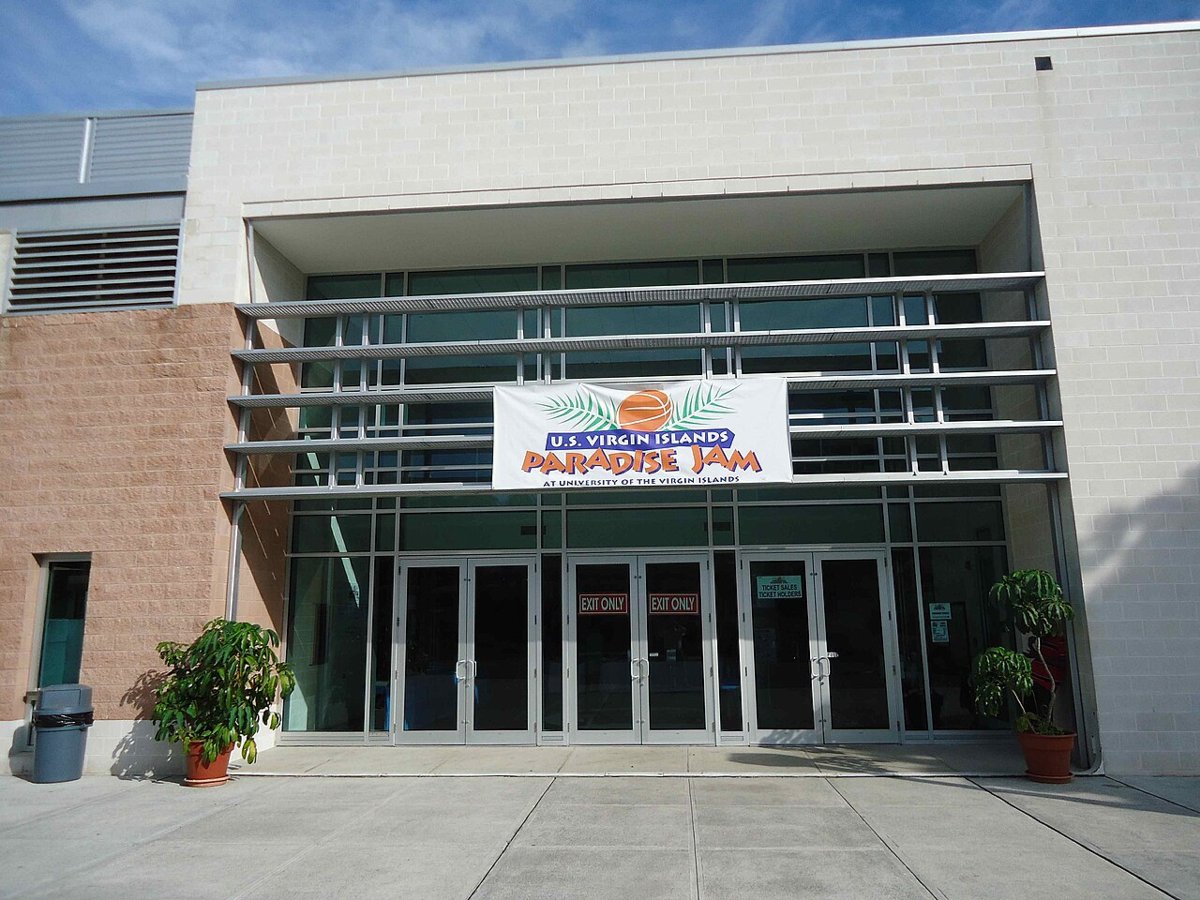
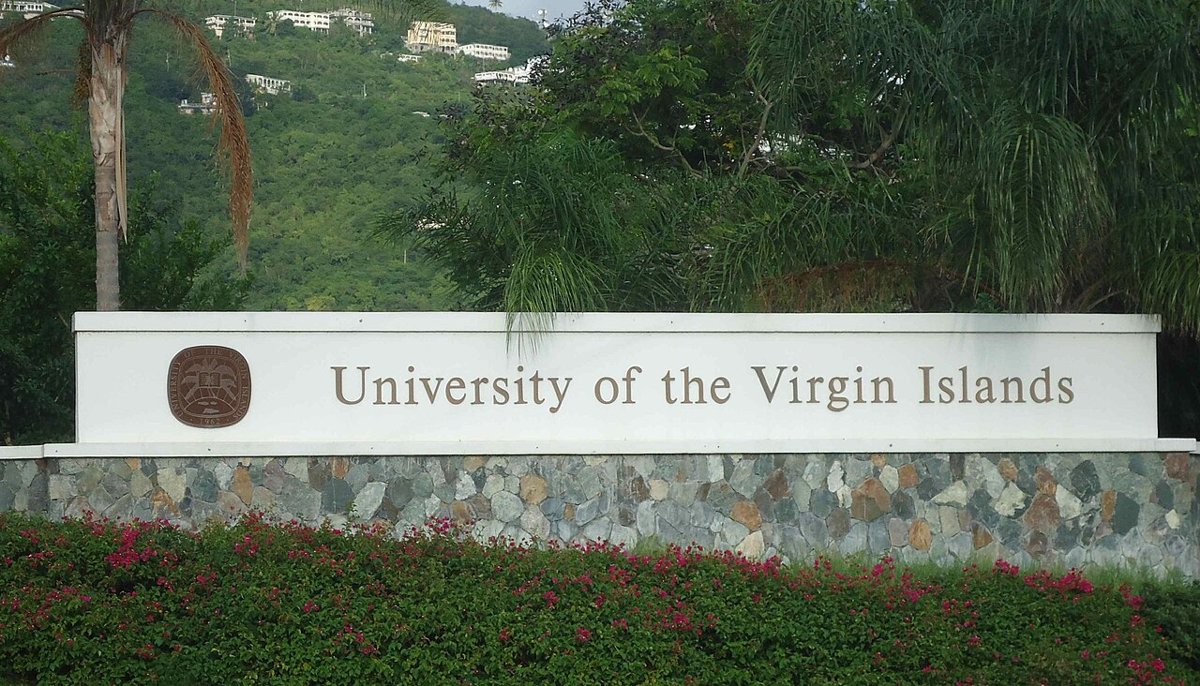
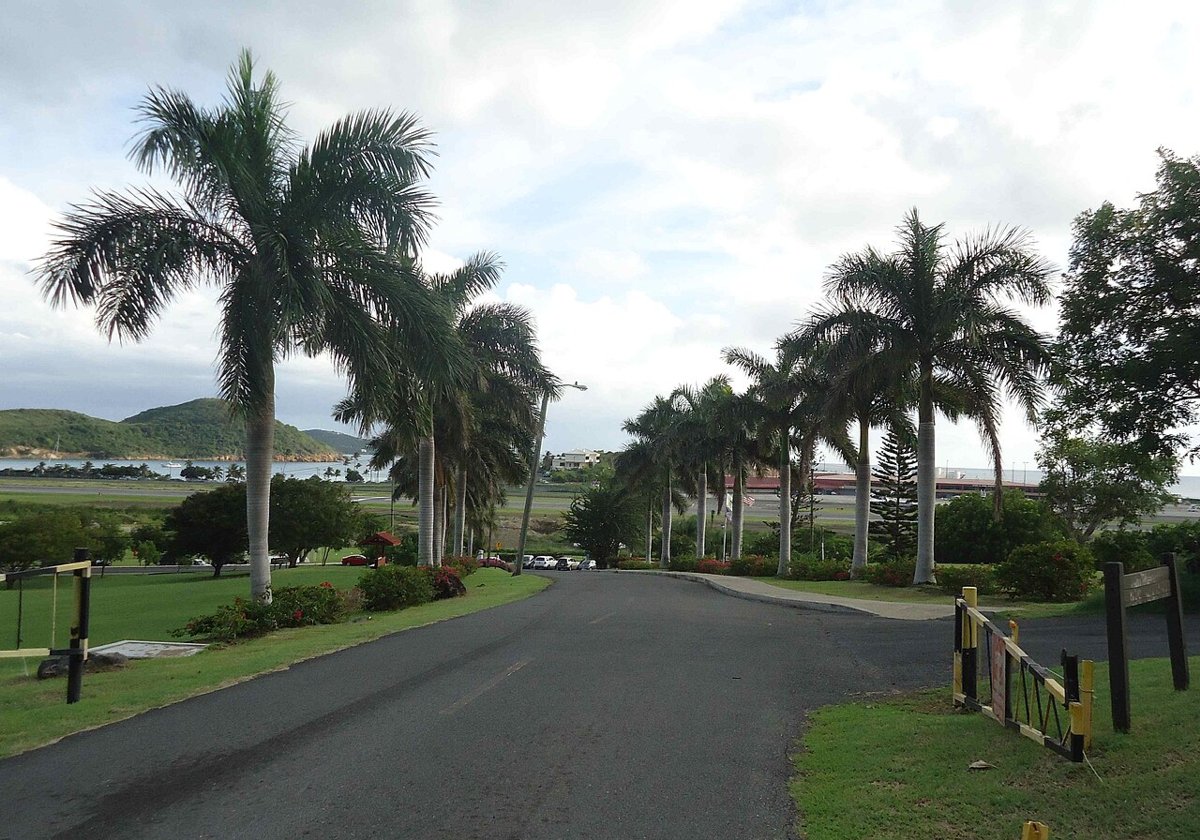
- Charlotte Amalie, U.S. Virgin Islands 00802-9990
After College
Source: College Scorecard / U.S. Department of Education
- Median Earnings (10 years)
- $38,681
- Median Earnings (5 years)
- $49,634
- Mean Earnings (6 years after entry)
- $27,000
- Loan Repayment Rate
- 39.8%
- Monthly Loan Payment
- $178/mo
- Median Debt at Graduation
- $16,800
Frequently Asked Questions
What is the acceptance rate at University of the Virgin Islands?
University of the Virgin Islands accepts 96.90% of applicants, making admission highly accessible to most students. The average SAT score is 895, reflecting the university's mission to serve the local community regardless of test performance. This open access approach aligns with UVI's role as the primary public higher education option for Virgin Islands residents.
How much does University of the Virgin Islands cost after financial aid?
The average net price at University of the Virgin Islands is $7,563 annually, making it one of the more affordable college options in the Caribbean region. In-state tuition is just $5,612, while 46.23% of students receive Pell Grants to help cover costs. Students from families earning under $30,000 pay an average net price of only $6,828.
What is the student-faculty ratio at University of the Virgin Islands?
University of the Virgin Islands maintains a 10:1 student-faculty ratio with total enrollment of 1,431 students. This small class environment allows for personalized attention in a close-knit island community setting. The university operates on a semester calendar system and focuses on serving the educational needs of the U.S. Virgin Islands territory.
What are the graduation rates at University of the Virgin Islands?
University of the Virgin Islands has a 28.60% six-year graduation rate and a 27.90% four-year graduation rate. Graduates earn a median salary of $38,681 ten years after enrollment, with an employment rate of 86.1%. The university serves as an HBCU and the only public university option for Virgin Islands students seeking to stay close to home.
Where do students live at University of the Virgin Islands?
University of the Virgin Islands has housing capacity for 470 students on its Charlotte Amalie campus, which sits in a rural-fringe setting. The student body is 68.62% female and 93.48% in-state residents, creating a tight community feel. Room and board costs $10,650 annually for those who choose to live on campus.
Is University of the Virgin Islands an HBCU?
Yes, University of the Virgin Islands is a historically Black college and university, with 68.83% of students identifying as Black. Founded in 1962, it serves as the primary higher education institution for the U.S. Virgin Islands territory. The university offers six varsity sports through NJCAA competition with 27 total athletes receiving $280,961 in athletic scholarships.
Similar Schools

Black Hills State University
Spearfish, South Dakota

West Virginia State University
Institute, West Virginia

Mississippi University for Women
Columbus, Mississippi

Montana Technological University
Butte, Montana

Massachusetts Maritime Academy
Buzzards Bay, Massachusetts

University of Maine at Presque Isle
Presque Isle, Maine