
About University of Tulsa
Students pay an average net price of $23,678, less than the sticker price of $48,602. Graduates earn a median of $61,408 ten years after leaving school, making the typical monthly loan payment of $228 manageable for most. With median debt of just $21,500, TU students graduate with relatively light financial burdens compared to many private universities.
The Golden Hurricane competes in NCAA Division I athletics with 17 varsity sports supported by over $16 million in athletic scholarships. A 9:1 student-faculty ratio ensures personal attention from professors. The 73% six-year graduation rate reflects the school's focus on student success, while 85% of freshmen return for sophomore year.
Academics & Faculty
Source: College Scorecard / U.S. Department of Education
- Student-to-Faculty Ratio
- 9:1
- Full-Time Faculty
- 75.8%
- Graduation Rate (4-year)
- 72.8%
- Graduation Rate (6-year)
- 73.3%
- Retention Rate
- 85.1%
- Median Earnings (10 years)
- $61,408
- Carnegie Classification
- Doctoral University (R2)
Popular Programs by Earnings
| Program | Level | Median Earnings |
|---|---|---|
| Energy Systems Technologies/Technicians. | Master | $124,271 |
| Petroleum Engineering. | Bachelor | $80,022 |
| Business Administration, Management and Operations. | Master | $69,338 |
| Energy Systems Technologies/Technicians. | Bachelor | $69,338 |
| Mechanical Engineering. | Bachelor | $67,812 |
| Chemical Engineering. | Bachelor | $67,660 |
| Computer Science. | Bachelor | $66,171 |
| Accounting and Related Services. | Master | $64,493 |
| Registered Nursing, Nursing Administration, Nursing Research and Clinical Nursing. | Bachelor | $61,020 |
| Law. | Doctoral | $57,318 |
Campus Life
Oklahoma's continental climate brings hot summers requiring plenty of sunscreen and cold winters where you'll need that coat, though snow rarely sticks around long. The 9:1 student-faculty ratio creates an intimate academic environment where professors know your name. Weekends often revolve around Golden Hurricane athletics, particularly football games at H.A. Chapman Stadium. Students frequent Brookside and Cherry Street for dining and nightlife, while the nearby Gathering Place riverfront park offers kayaking and concerts. Greek life provides social structure, though with just 2,447 students, the entire campus feels like a close-knit community where academic excellence meets Southern hospitality.
- Setting
- City-Large
- Housing Capacity
- 2,430 beds
- Calendar System
- Semester
- Study Abroad
- Available
- Founded
- 1894
Campus Safety (2023)
66 total reported incidents. Source: Clery Act / U.S. Department of Education
| Offense | On Campus | Residential | Noncampus | Public Property |
|---|---|---|---|---|
| Rape | 12 | 10 | 0 | 0 |
| Burglary | 8 | 4 | 1 | 0 |
| Motor Vehicle Theft | 10 | 0 | 1 | 0 |
| Dating Violence | 3 | 3 | 0 | 0 |
| Stalking | 4 | 2 | 0 | 0 |
| Aggravated Assault | 2 | 2 | 0 | 0 |
| Domestic Violence | 2 | 1 | 0 | 0 |
| Fondling | 1 | 0 | 0 | 0 |
Climate & Weather
- January Avg
- 28°–48°F
- July Avg
- 73°–93°F
- Annual Precipitation
- 41.0"
- Annual Snowfall
- 8.7"
Student Demographics
- Men
- 49.3%
- Women
- 50.7%
- White
- 48.9%
- Black
- 7.8%
- Hispanic
- 12.9%
- Asian
- 7.9%
- In-State Students
- 55.8%
- Pell Grant Recipients
- 26.1%
Location
- Address
- Tulsa, Oklahoma 74104-3189
After College
Source: College Scorecard / U.S. Department of Education
- Median Earnings (10 years)
- $61,408
- Median Earnings (5 years)
- $75,031
- Mean Earnings (6 years after entry)
- $50,400
- Loan Repayment Rate
- 79.2%
- Monthly Loan Payment
- $228/mo
- Median Debt at Graduation
- $21,500
Frequently Asked Questions
What is the acceptance rate at University of Tulsa?
University of Tulsa accepts 69% of applicants, making it moderately selective. The middle 50% of admitted students score between 1078-1350 on the SAT, reflecting the school's reputation for attracting solid students to its engineering and business programs.
How much does University of Tulsa cost after financial aid?
Despite a sticker price of $59,794, the average net price is $23,678 after aid. The university is known for generous institutional grants averaging $35,824 for recipients, helping make this strong private education more accessible.
What is the student-faculty ratio at University of Tulsa?
University of Tulsa maintains a 9:1 student-faculty ratio with only 2,447 total students. This intimate environment allows the research university to provide personalized attention while maintaining strong programs in engineering, business, and liberal arts.
What do University of Tulsa graduates earn after college?
Graduates earn a median of $61,408 ten years after enrollment with a strong 95.9% employment rate. The school's reputation in engineering and business, plus its connections in Oklahoma's energy sector, help create solid career outcomes for its alumni.
Where is University of Tulsa located and what is campus life like?
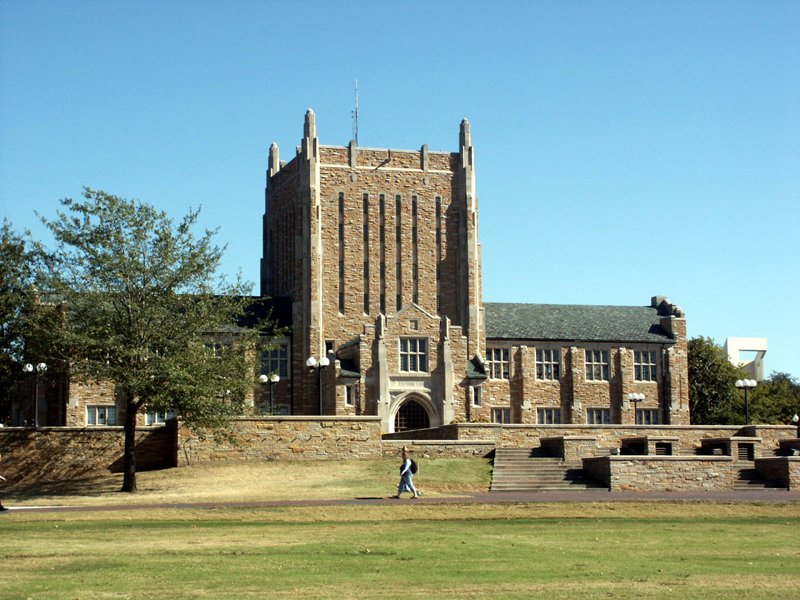
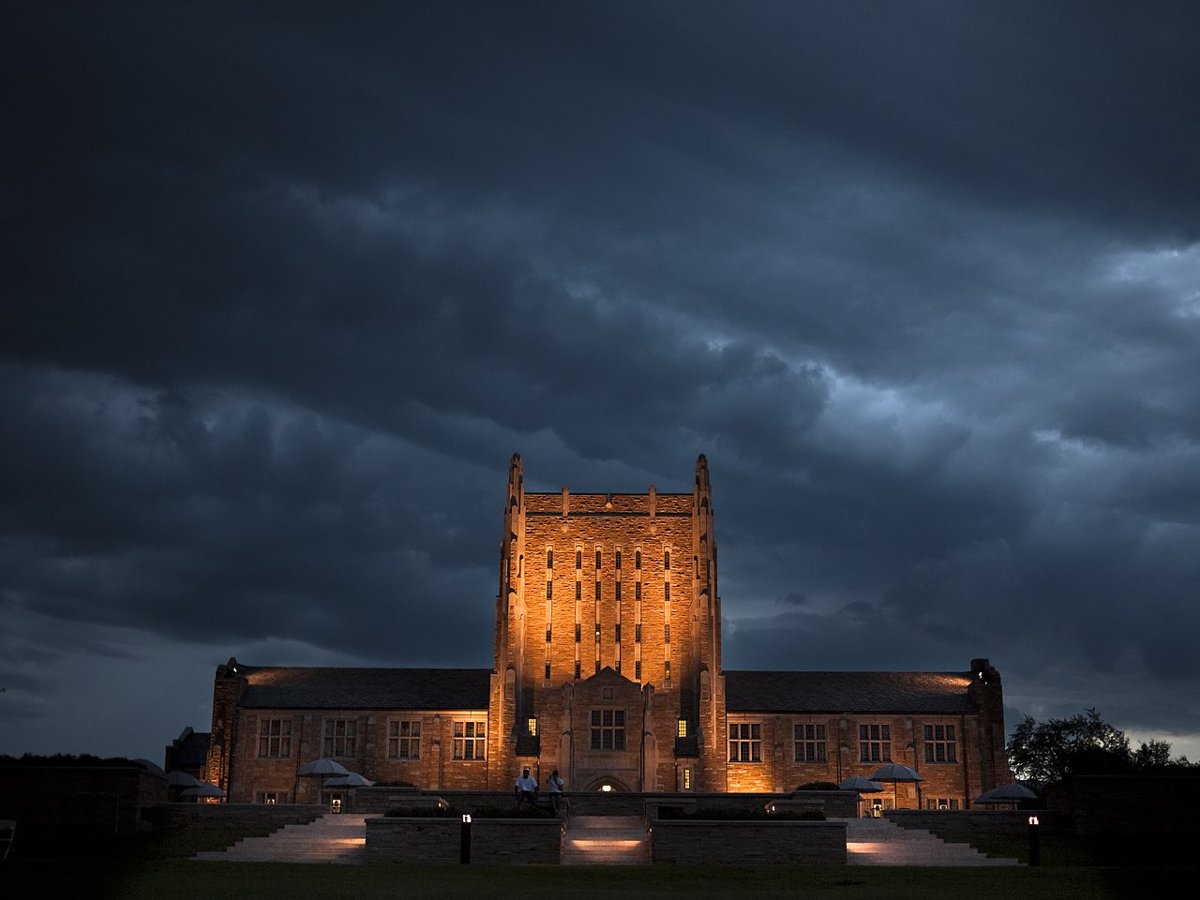
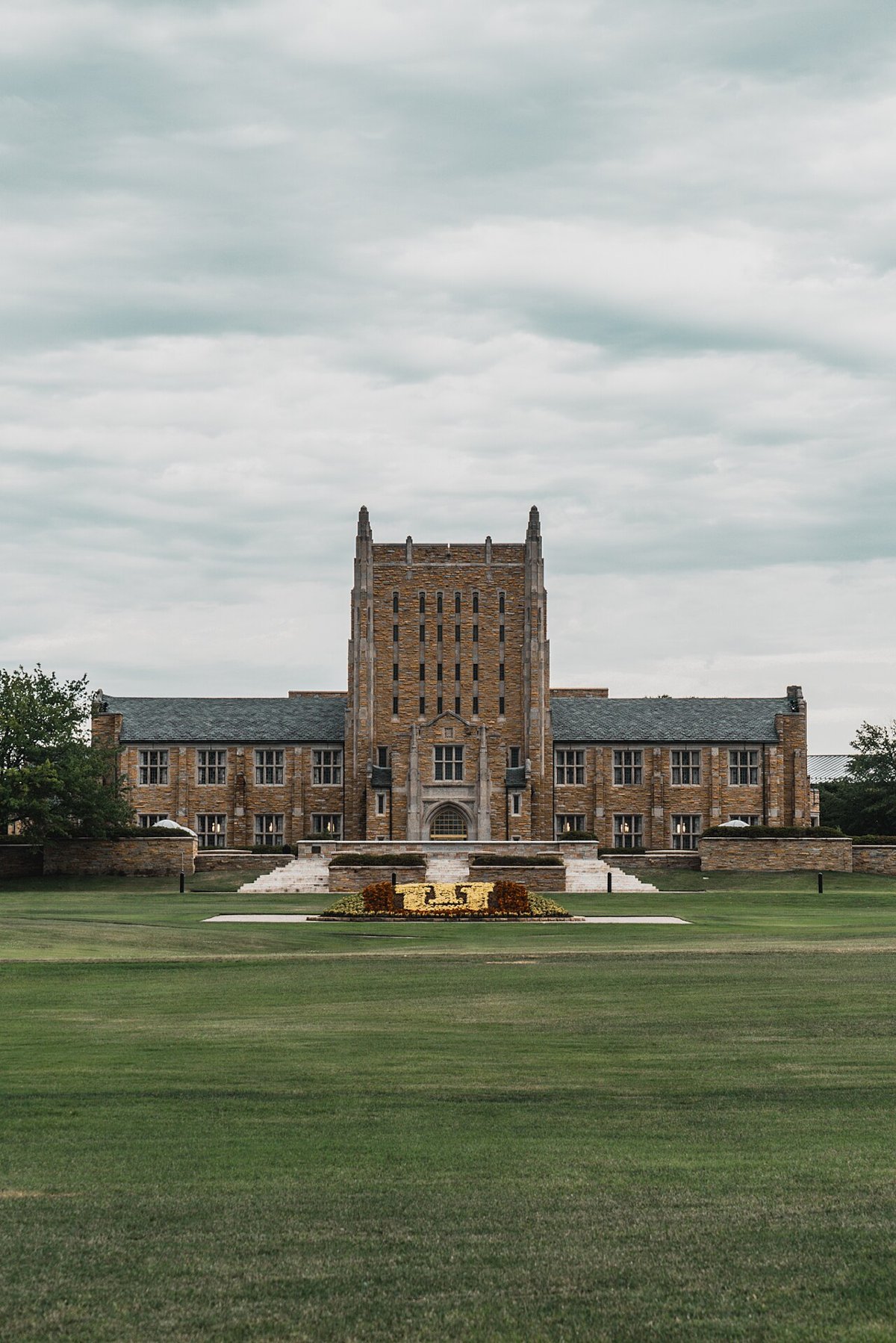
The university sits in Tulsa, Oklahoma on one of America's most beautiful collegiate Gothic campuses. With housing capacity for 2,430 students and 17 varsity sports competing as the Golden Hurricane in Division I, campus life centers around this architecturally stunning setting.
Is University of Tulsa known for any famous alumni?
The university has produced notable graduates including NFL Hall of Famers Roger Staubach and Steve Largent, plus author S.E. Hinton who wrote The Outsiders. Founded in 1894 with Presbyterian roots, TU has built a reputation for producing successful leaders across diverse fields from sports to literature.