
About University of Vermont
The financial picture tells a reasonable story for most families. Students pay an average net price of $20,860 after aid, well below the sticker price. Graduates earn a median $62,472 ten years after graduation, making the typical debt load of $20,951 manageable with monthly payments of $222. Out-of-state families face steeper costs, but the investment often pays off given UVM's strong employment outcomes.
The student body skews heavily female at 63.65% women and draws most students from beyond Vermont's borders. The 78.60% six-year graduation rate reflects solid student support, though the 17:1 student-faculty ratio means larger classes than at smaller colleges. Catamounts compete in NCAA Division I athletics across 14 varsity sports.
Academics & Faculty
Source: College Scorecard / U.S. Department of Education
- Student-to-Faculty Ratio
- 17:1
- Full-Time Faculty
- 78.0%
- Graduation Rate (4-year)
- 77.2%
- Graduation Rate (6-year)
- 78.6%
- Retention Rate
- 88.2%
- Median Earnings (10 years)
- $62,472
- Carnegie Classification
- Doctoral University (R2)
Popular Programs by Earnings
| Program | Level | Median Earnings |
|---|---|---|
| Registered Nursing, Nursing Administration, Nursing Research and Clinical Nursing. | Master | $83,546 |
| Electrical, Electronics and Communications Engineering. | Bachelor | $72,325 |
| Rehabilitation and Therapeutic Professions. | Doctoral | $67,287 |
| Accounting and Related Services. | Master | $63,005 |
| Registered Nursing, Nursing Administration, Nursing Research and Clinical Nursing. | Bachelor | $61,875 |
| Medicine. | Doctoral | $59,177 |
| Clinical/Medical Laboratory Science/Research and Allied Professions. | Bachelor | $57,770 |
| Computer Science. | Bachelor | $56,641 |
| Mechanical Engineering. | Bachelor | $55,770 |
| Communication Disorders Sciences and Services. | Master | $54,361 |
Campus Life
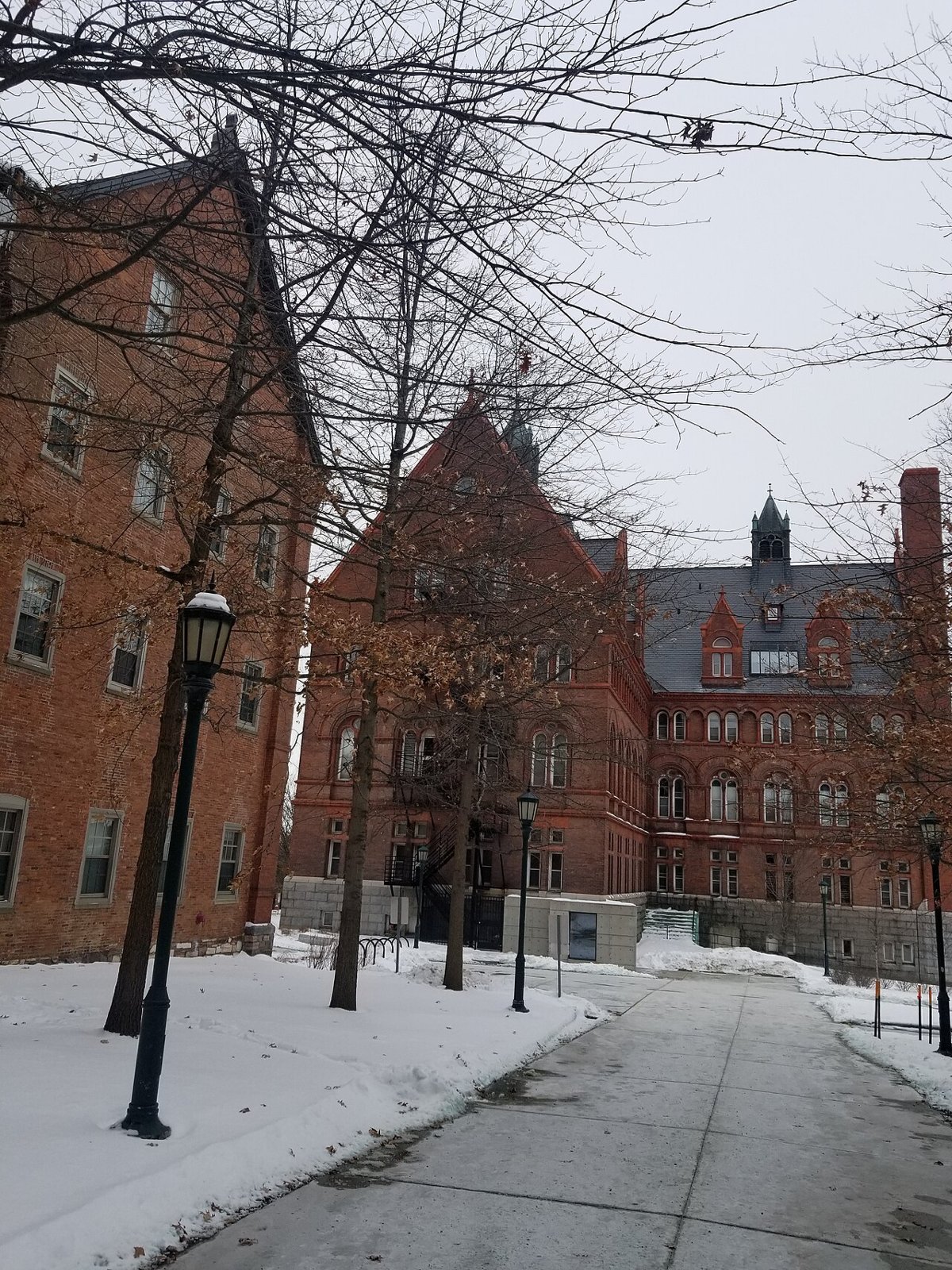
The Adirondack Mountains rise to the west while ski slopes at Stowe and Smugglers' Notch draw students an hour away. UVM's campus earned national recognition for sustainability initiatives that match Vermont's environmental culture. Students embrace the outdoors year-round, from hiking and kayaking in fall to snowboarding and ice hockey in winter. The 63.65% female student body creates a balanced social scene. With 88.16% of freshmen returning for sophomore year, most students adapt well to the mountain lifestyle. Burlington offers big-city amenities three hours from Boston, but students often find everything they need within walking distance of campus.
- Setting
- City-Small
- Housing Capacity
- 6,734 beds
- Calendar System
- Semester
- Study Abroad
- Available
- Founded
- 1791
Campus Safety (2023)
91 total reported incidents. Source: Clery Act / U.S. Department of Education
| Offense | On Campus | Residential | Noncampus | Public Property |
|---|---|---|---|---|
| Rape | 14 | 11 | 1 | 0 |
| Stalking | 17 | 5 | 0 | 0 |
| Motor Vehicle Theft | 11 | 0 | 0 | 1 |
| Burglary | 6 | 4 | 0 | 0 |
| Domestic Violence | 5 | 3 | 0 | 0 |
| Aggravated Assault | 3 | 1 | 1 | 2 |
| Fondling | 3 | 2 | 0 | 0 |
| Arson | 1 | 0 | 0 | 0 |
Climate & Weather
- January Avg
- 12°–28°F
- July Avg
- 62°–82°F
- Annual Precipitation
- 37.5"
- Annual Snowfall
- 87.5"
Student Demographics
- Men
- 36.4%
- Women
- 63.7%
- White
- 83.5%
- Black
- 0.8%
- Hispanic
- 5.4%
- Asian
- 2.7%
- In-State Students
- 23.2%
- Pell Grant Recipients
- 12.8%
Location
- Address
- Burlington, Vermont 05405-0160
After College
Source: College Scorecard / U.S. Department of Education
- Median Earnings (10 years)
- $62,472
- Median Earnings (5 years)
- $60,834
- Mean Earnings (6 years after entry)
- $40,400
- Loan Repayment Rate
- 80.6%
- Monthly Loan Payment
- $222/mo
- Median Debt at Graduation
- $20,951
Frequently Asked Questions
What is the acceptance rate at University of Vermont?
University of Vermont accepts 59.79% of applicants with an average SAT score of 1345. The school draws students from across the nation, with 76.76% coming from out of state to experience Vermont's outdoor culture and environmental focus.
How much does University of Vermont cost after financial aid?
The average net price at University of Vermont is $20,860, though costs vary by income level. Students from families earning under $30,000 pay just $11,958 on average, while the school's strong financial aid helps keep median debt at $20,951.
What is University of Vermont known for academically?
University of Vermont is well-known for its environmental programs and sustainable campus practices. With a 17:1 student-faculty ratio across its programs, the school has built a reputation as a leader in sustainability education and research.
How much do University of Vermont graduates earn?
University of Vermont graduates earn a median salary of $62,472 ten years after graduation. The school maintains a strong 96.8% employment rate, reflecting Vermont's emphasis on practical education and the value employers place on UVM's environmental and liberal arts programs.
Where is University of Vermont located and what's campus life like?
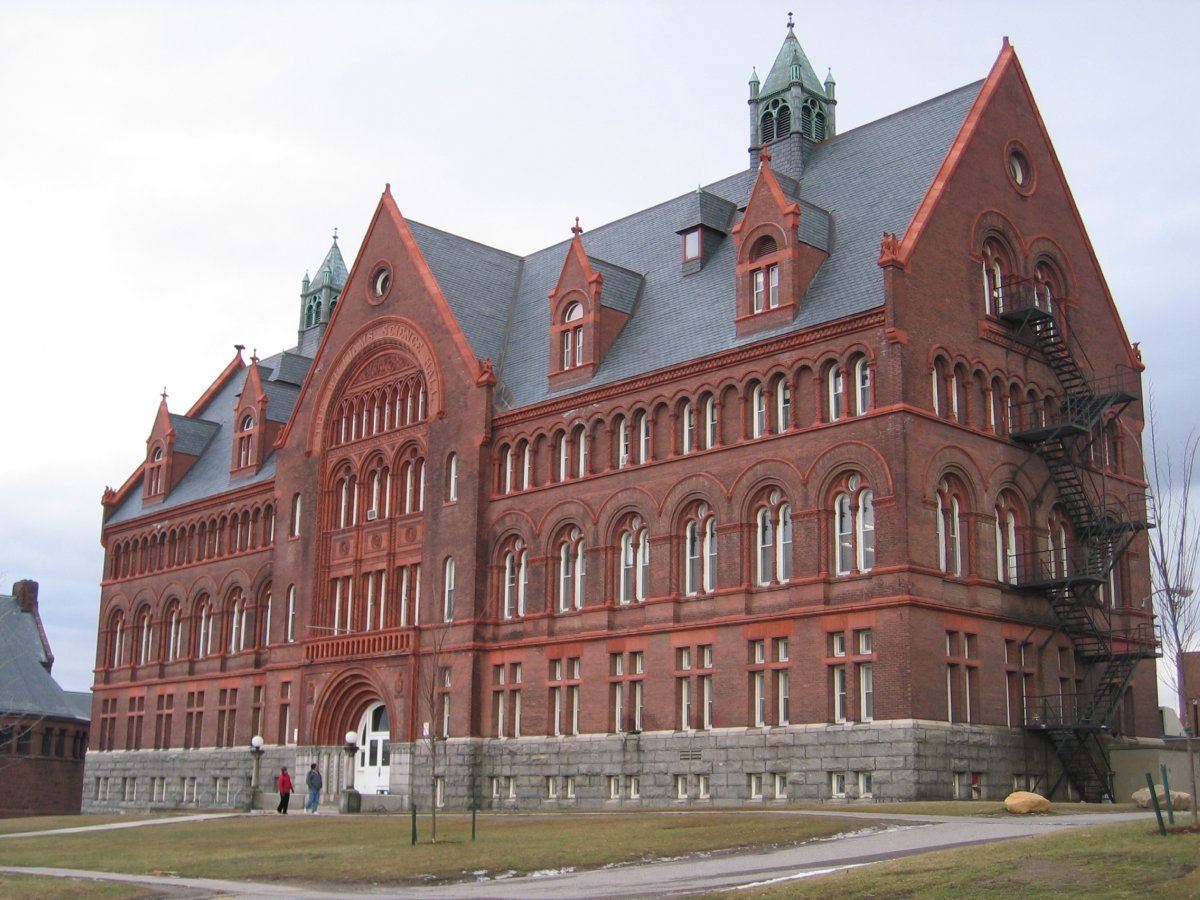
University of Vermont sits in Burlington, a small city setting that perfectly captures Vermont's blend of academic and outdoor culture. With 11,614 students and housing for 6,734 on campus, the community maintains the close-knit feel that defines Vermont living.
Does University of Vermont have strong athletic programs?
University of Vermont competes in NCAA Division I with 14 varsity sports and 455 total athletes. The Catamounts compete in the America East Conference, bringing Division I athletics to Vermont's environmentally conscious campus culture.
Similar Schools
Louisiana Tech University
Ruston, Louisiana
North Carolina A & T State University
Greensboro, North Carolina

University of South Alabama
Mobile, Alabama

CUNY City College
New York, New York
University of Puerto Rico-Rio Piedras
San Juan, Puerto Rico
University of North Carolina Wilmington
Wilmington, North Carolina