
About University of West Florida
Students pay an average net price of $8,155 after financial aid, making this one of Florida's more affordable public options. Graduates earn a median of $49,137 ten years after graduation, while typical student loan debt sits at just $16,624. The math works in students' favor with monthly loan payments around $176 and a strong employment rate of 94.4 percent. Low-income families pay only $3,367 net price, demonstrating the university's commitment to access.
The Argonauts compete in NCAA Division II with 15 varsity sports and $2.98 million in athletic scholarships spread among 366 student-athletes. Nearly 89 percent of students come from Florida, creating a tight-knit community feel. The 22:1 student-faculty ratio means larger classes than top schools, but the 87.6 percent retention rate suggests students find what they need to stay and succeed.
Academics & Faculty
Source: College Scorecard / U.S. Department of Education
- Student-to-Faculty Ratio
- 22:1
- Full-Time Faculty
- 100.0%
- Graduation Rate (4-year)
- 57.0%
- Graduation Rate (6-year)
- 61.8%
- Retention Rate
- 87.6%
- Median Earnings (10 years)
- $49,137
- Carnegie Classification
- Master's University (Large)
Popular Programs by Earnings
| Program | Level | Median Earnings |
|---|---|---|
| Public Health. | Master | $94,408 |
| Computer and Information Sciences, General. | Master | $74,576 |
| Curriculum and Instruction. | Doctoral | $71,854 |
| Computer Engineering. | Bachelor | $63,005 |
| Electrical, Electronics and Communications Engineering. | Bachelor | $61,172 |
| Registered Nursing, Nursing Administration, Nursing Research and Clinical Nursing. | Bachelor | $58,454 |
| Accounting and Related Services. | Master | $54,322 |
| Clinical/Medical Laboratory Science/Research and Allied Professions. | Bachelor | $52,941 |
| Educational Administration and Supervision. | Master | $52,895 |
| Computer and Information Sciences, General. | Bachelor | $50,773 |
Campus Life
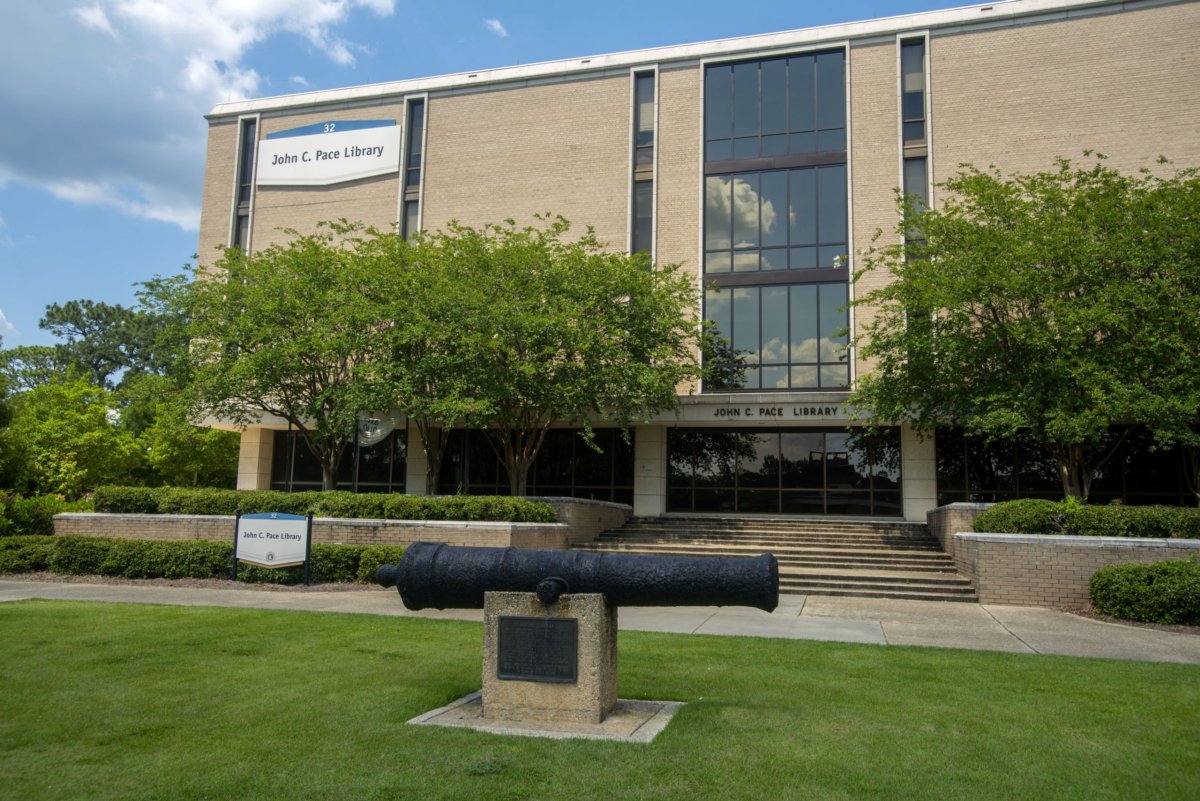
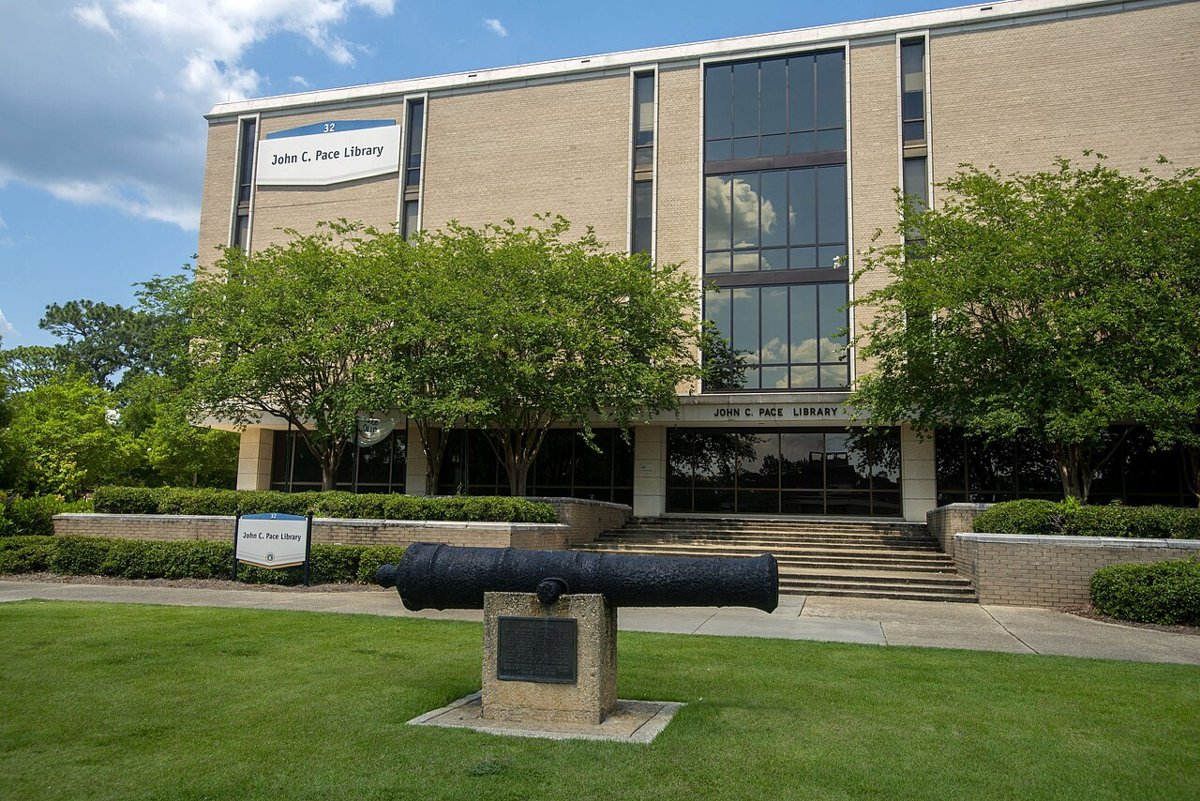
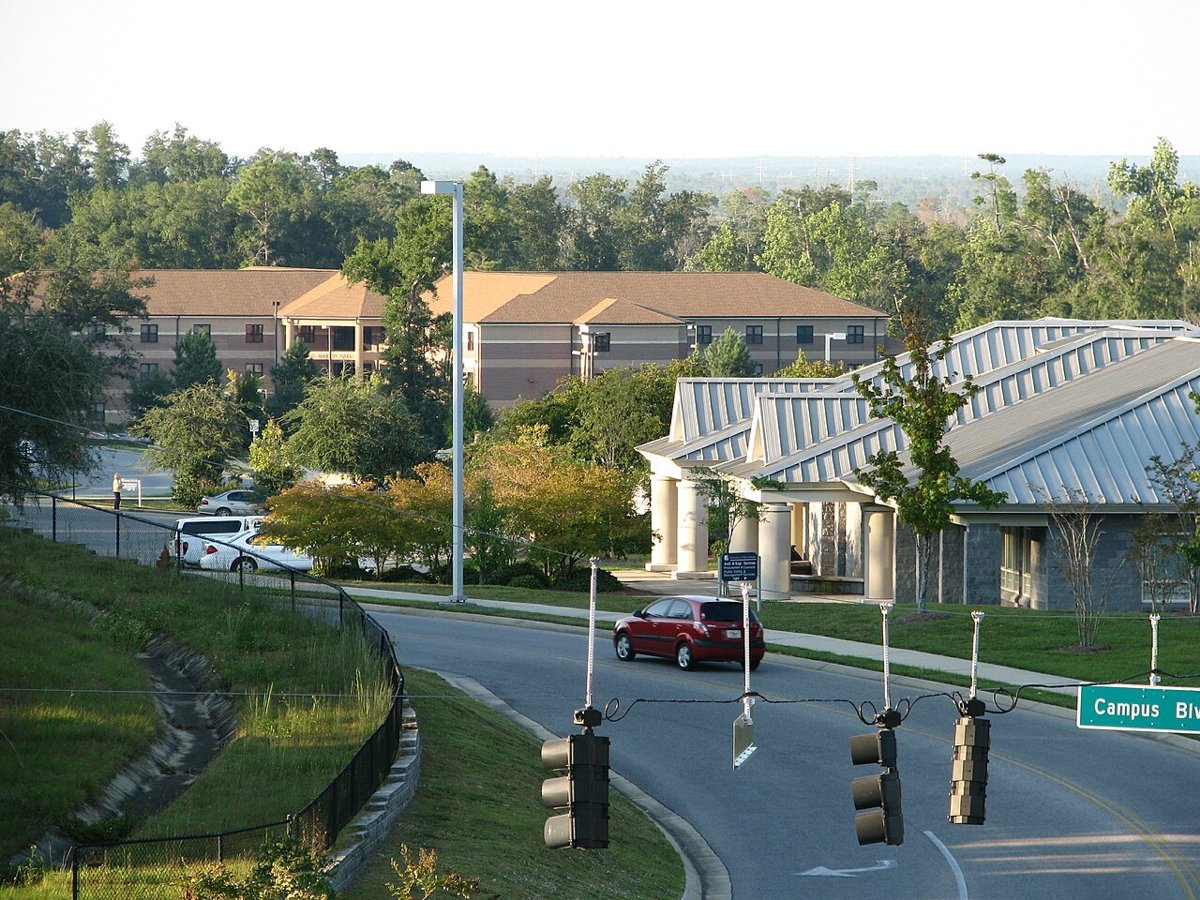
Students gravitate toward the bustling student union and outdoor recreation areas when classes end. The 22:1 student-faculty ratio creates a close-knit academic environment where professors know your name. Weekends often involve beach volleyball, fishing trips, or exploring Pensacola's historic downtown district. The Argonauts compete in 15 Division II sports with 366 total athletes, creating a spirited but not overwhelming athletic presence on campus. Many students work part-time jobs given the 94.4% employment rate, balancing academics with real-world experience in this growing Gulf Coast region.
- Setting
- Rural-Fringe
- Housing Capacity
- 1,534 beds
- Calendar System
- Semester
- Study Abroad
- Available
- Founded
- 1963
Campus Safety (2023)
20 total reported incidents. Source: Clery Act / U.S. Department of Education
| Offense | On Campus | Residential | Noncampus | Public Property |
|---|---|---|---|---|
| Rape | 3 | 2 | 1 | 0 |
| Stalking | 3 | 3 | 0 | 0 |
| Dating Violence | 3 | 1 | 0 | 0 |
| Motor Vehicle Theft | 2 | 0 | 0 | 0 |
| Burglary | 1 | 0 | 0 | 0 |
| Domestic Violence | 1 | 0 | 0 | 0 |
Climate & Weather
- January Avg
- 42°–60°F
- July Avg
- 74°–91°F
- Annual Precipitation
- 67.8"
- Annual Snowfall
- 0.0"
Student Demographics
- Men
- 42.6%
- Women
- 57.4%
- White
- 61.7%
- Black
- 10.2%
- Hispanic
- 11.3%
- Asian
- 3.3%
- In-State Students
- 89.0%
- Pell Grant Recipients
- 32.6%
Location
- Address
- Pensacola, Florida 32514-5750
After College
Source: College Scorecard / U.S. Department of Education
- Median Earnings (10 years)
- $49,137
- Median Earnings (5 years)
- $52,238
- Mean Earnings (6 years after entry)
- $33,600
- Loan Repayment Rate
- 53.5%
- Monthly Loan Payment
- $176/mo
- Median Debt at Graduation
- $16,624
Frequently Asked Questions
What is the acceptance rate at University of West Florida?
University of West Florida accepts 48% of applicants, making it moderately selective. Students typically need SAT scores between 1050-1230 to be competitive. The school draws heavily from Florida, with nearly 89% of students coming from in-state.
How much does University of West Florida cost after financial aid?
The average net price is $8,155 annually for students receiving aid. In-state tuition runs $6,360 while out-of-state students pay $19,241. Students from families earning under $30,000 pay just $3,367 on average after aid.
What academic programs is University of West Florida known for?
The university has built a strong reputation in business, education, and marine sciences programs. With a 22:1 student-faculty ratio, the school emphasizes undergraduate teaching over research. The campus setting near the Gulf Coast supports hands-on learning in marine and environmental sciences.
What are the graduation and employment outcomes at University of West Florida?
About 58% of students graduate within four years, while 62% finish within six years. Graduates earn a median salary of $49,137 ten years after enrollment. The employment rate reaches 94.4%, and typical monthly loan payments are $176.
Where is University of West Florida located and what is campus life like?
The campus sits in Pensacola on Florida's rural fringe, home to 9,042 students. Housing capacity serves 1,534 students, creating a close-knit community feel. The Argonauts compete in NCAA Division II with 15 varsity sports and 366 total athletes.
Does University of West Florida have any famous alumni?
The school's most notable graduate is NFL Hall of Fame running back Emmitt Smith. Founded in 1963, the relatively young university has built its reputation on strong undergraduate programs. The institution continues to grow its alumni network across business, education, and other professional fields.