
About Valley City State University
Students pay an average net price of $13,613, making this one of the more affordable four-year options in the region. Graduates earn a median of $52,725 ten years after leaving school. With typical debt loads of $20,369, most students face monthly loan payments around $216. The employment rate hits 97.7%, though the four-year graduation rate sits at just 47.8%. Many students take longer to finish or transfer elsewhere.
The Vikings compete in NJCAA athletics with 282 student-athletes across 10 sports. Campus housing accommodates 462 students, creating a tight-knit residential experience. The 12:1 student-faculty ratio ensures personal attention from professors. However, the 66% retention rate suggests some students struggle with the rural isolation or find better fits elsewhere. Students who thrive here appreciate the small-town community and hands-on learning approach.
Academics & Faculty
Source: College Scorecard / U.S. Department of Education
- Student-to-Faculty Ratio
- 12:1
- Full-Time Faculty
- 47.2%
- Graduation Rate (4-year)
- 47.8%
- Graduation Rate (6-year)
- 48.1%
- Retention Rate
- 66.0%
- Median Earnings (10 years)
- $52,725
- Carnegie Classification
- Baccalaureate College
Popular Programs by Earnings
| Program | Level | Median Earnings |
|---|---|---|
| Teacher Education and Professional Development, Specific Subject Areas. | Master | $53,775 |
| Teacher Education and Professional Development, Specific Subject Areas. | Bachelor | $43,000 |
| Wildlife and Wildlands Science and Management. | Bachelor | $38,289 |
| Human Services, General. | Bachelor | $38,289 |
| Business Administration, Management and Operations. | Bachelor | $38,289 |
| Teacher Education and Professional Development, Specific Levels and Methods. | Bachelor | $37,537 |
Campus Life
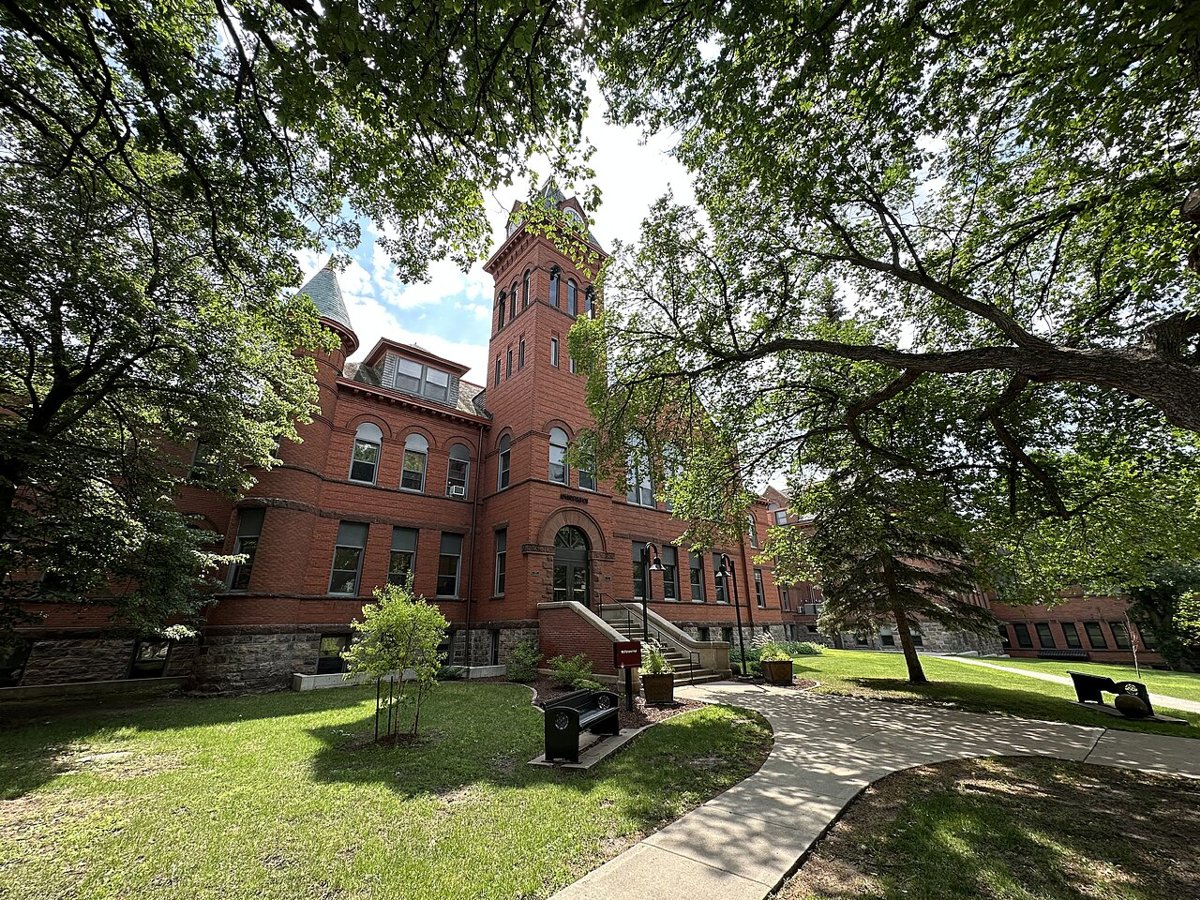
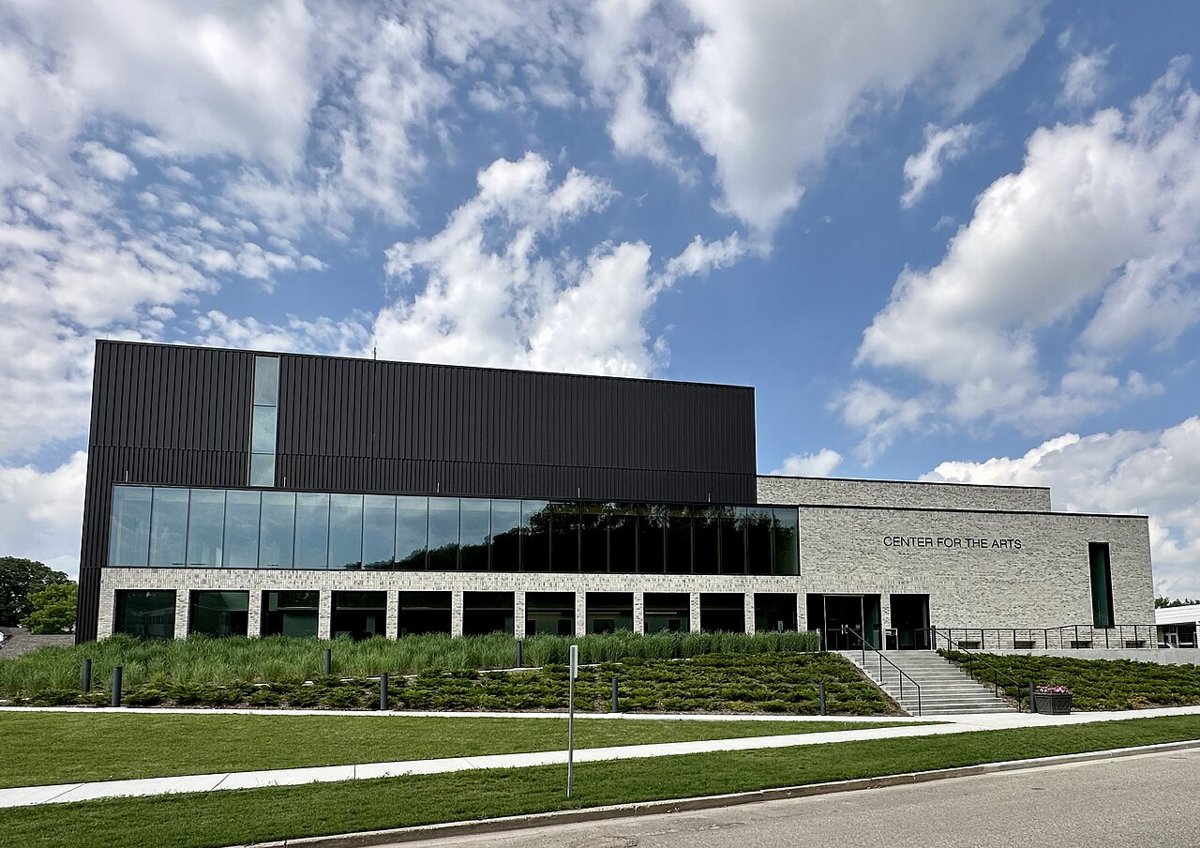
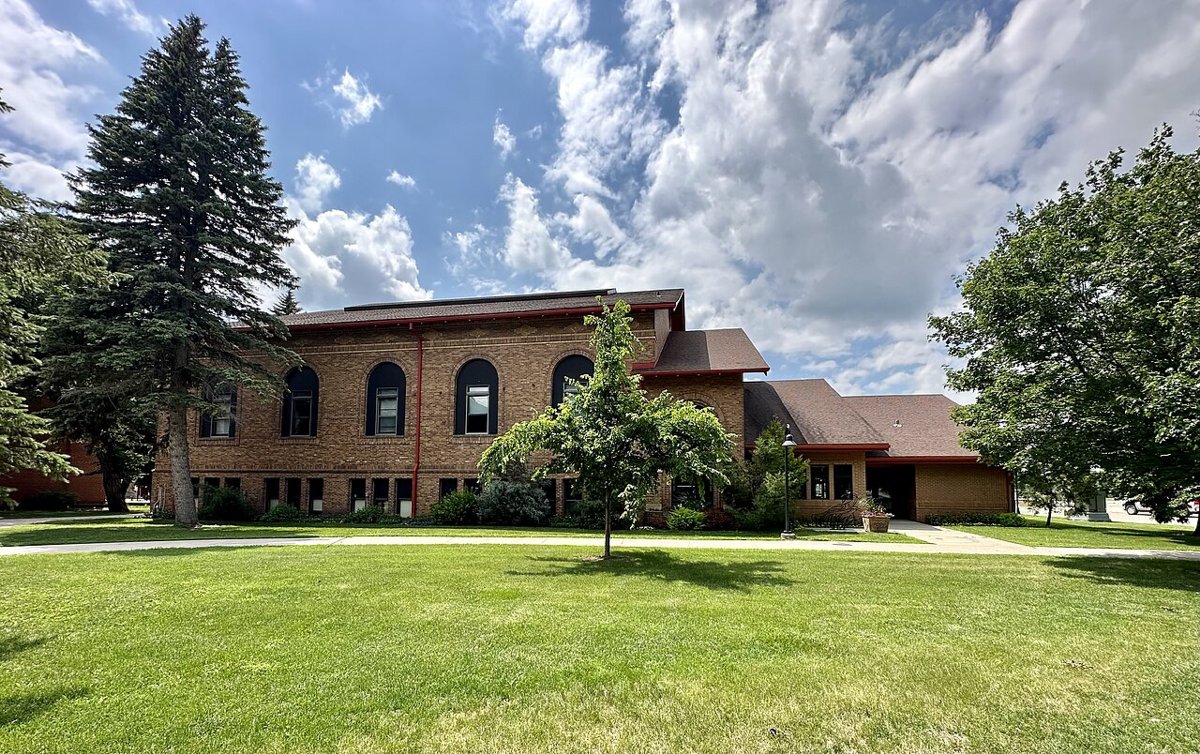
With a 12:1 student-faculty ratio, professors know students by name and daily interactions feel personal rather than institutional. The Vikings compete in 10 NJCAA sports with 282 total athletes, creating a strong athletic presence for such a small campus. Students often gather in residence halls or the student center, especially during North Dakota's long winters. The technology education programs draw many future teachers who appreciate hands-on learning in small classes. Valley City's remote location means students form tight-knit communities, though the isolation can feel limiting for those seeking big-city amenities or diverse cultural experiences.
- Setting
- Town-Remote
- Housing Capacity
- 462 beds
- Calendar System
- Semester
- Study Abroad
- Available
- Founded
- 1889
Campus Safety (2023)
No reported Clery Act crimes in 2023.
Climate & Weather
- January Avg
- -2°–19°F
- July Avg
- 56°–81°F
- Annual Precipitation
- 20.6"
- Annual Snowfall
- -742.3"
Student Demographics
- Men
- 46.0%
- Women
- 54.0%
- White
- 79.9%
- Black
- 3.3%
- Hispanic
- 5.9%
- Asian
- 0.7%
- In-State Students
- 68.7%
- Pell Grant Recipients
- 17.3%
Location
- Address
- Valley City, North Dakota 58072
After College
Source: College Scorecard / U.S. Department of Education
- Median Earnings (10 years)
- $52,725
- Median Earnings (5 years)
- $50,949
- Mean Earnings (6 years after entry)
- $37,500
- Loan Repayment Rate
- 69.5%
- Monthly Loan Payment
- $216/mo
- Median Debt at Graduation
- $20,369
Frequently Asked Questions
What is the acceptance rate at Valley City State University?
Valley City State University accepts 83.45% of applicants, making it accessible to most students who apply. The middle 50% of admitted students score between 1030-1110 on the SAT, reflecting the university's focus on providing opportunities for students with varying academic backgrounds.
How much does Valley City State University cost after financial aid?
The average net price at Valley City State University is $13,613 per year. Students from families earning under $30,000 pay just $9,030 after aid, making this rural North Dakota university particularly affordable for low-income students.
What is the student-faculty ratio at Valley City State University?
Valley City State University maintains a 12:1 student-faculty ratio with only 918 total students. This small size allows the university to focus intensively on teacher education and technology programs, which are its academic strengths.
What are the graduation rates at Valley City State University?
Valley City State University has a 48.10% six-year graduation rate and 47.80% four-year graduation rate. Despite these modest completion rates, graduates earn a median salary of $52,725 ten years after graduation, and 97.7% find employment after completing their degrees.
Where is Valley City State University located and what is campus life like?
Valley City State University sits in the remote town of Valley City, North Dakota, with on-campus housing for 462 students. The Vikings compete in 10 varsity sports through the NJCAA, with 282 total student-athletes receiving $631,164 in athletic scholarships.
Does Valley City State University have strong teacher preparation programs?
Valley City State University has built its reputation primarily around teacher education since its founding in 1889. The university combines this traditional strength with modern technology programs, serving 68.72% in-state students who often stay in North Dakota's education system after graduation.
Similar Schools

Dickinson State University
Dickinson, North Dakota
Mayville State University
Mayville, North Dakota

The University of Tennessee Southern
Pulaski, Tennessee
Kentucky State University
Frankfort, Kentucky

University of Pittsburgh-Bradford
Bradford, Pennsylvania

University of Akron Wayne College
Orrville, Ohio