
About Virginia Polytechnic Institute and State University
Students pay an average net price of $23,790, with in-state residents getting significant savings at $15,478 tuition. Graduates earn a median salary of $81,698 within ten years, making the typical debt load of $21,500 manageable. The monthly loan payment of $228 represents a solid return on investment given Virginia Tech's strong employment outcomes. Low-income families pay just $13,536 net price, though only 15% of students receive Pell Grants.
The Hokies compete in 18 Division I sports within the ACC, maintaining their fierce rivalry with UVA. With a 92% retention rate and 86% graduation rate, students clearly find their fit in this engineering-focused environment. The 17:1 student-faculty ratio supports academic success while preserving the close-knit community feel despite the large enrollment.
Academics & Faculty
Source: College Scorecard / U.S. Department of Education
- Student-to-Faculty Ratio
- 17:1
- Full-Time Faculty
- 98.7%
- Graduation Rate (4-year)
- 86.3%
- Graduation Rate (6-year)
- 86.3%
- Retention Rate
- 91.8%
- Median Earnings (10 years)
- $81,698
- Carnegie Classification
- Doctoral University (R1)
Popular Programs by Earnings
| Program | Level | Median Earnings |
|---|---|---|
| Business Administration, Management and Operations. | Master | $113,246 |
| Electrical, Electronics and Communications Engineering. | Master | $100,317 |
| Mechanical Engineering. | Doctoral | $97,959 |
| Computer and Information Sciences and Support Services, Other. | Master | $96,691 |
| Educational Administration and Supervision. | Doctoral | $91,211 |
| Computer and Information Sciences, General. | Bachelor | $88,678 |
| Aerospace, Aeronautical and Astronautical Engineering. | Master | $84,653 |
| Computer Engineering. | Bachelor | $78,488 |
| Veterinary Medicine. | Doctoral | $77,184 |
| Public Administration. | Master | $75,518 |
Campus Life
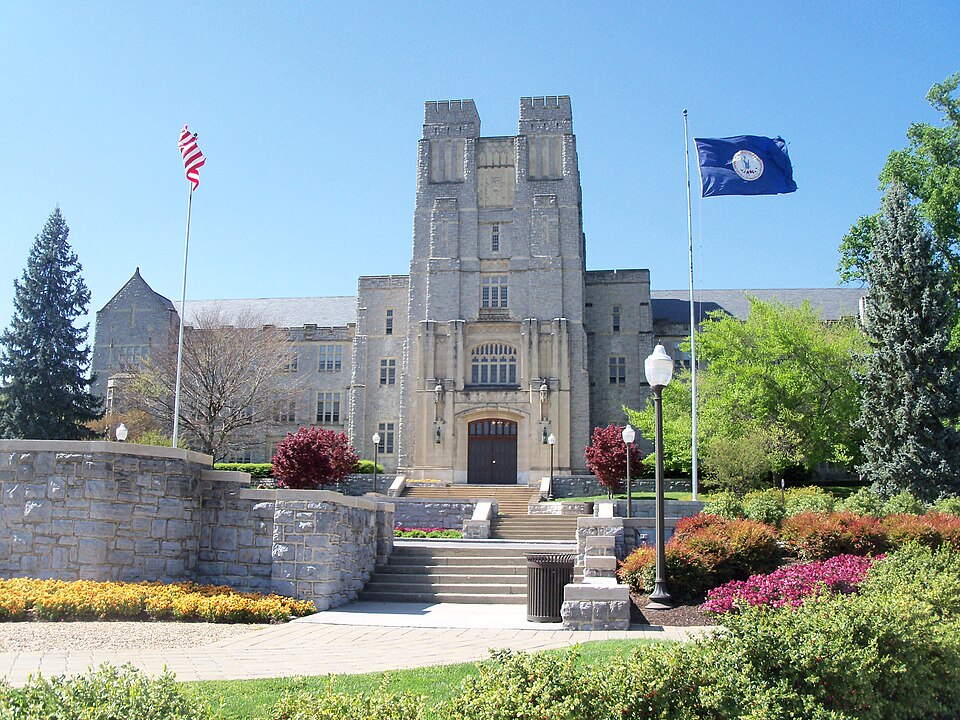
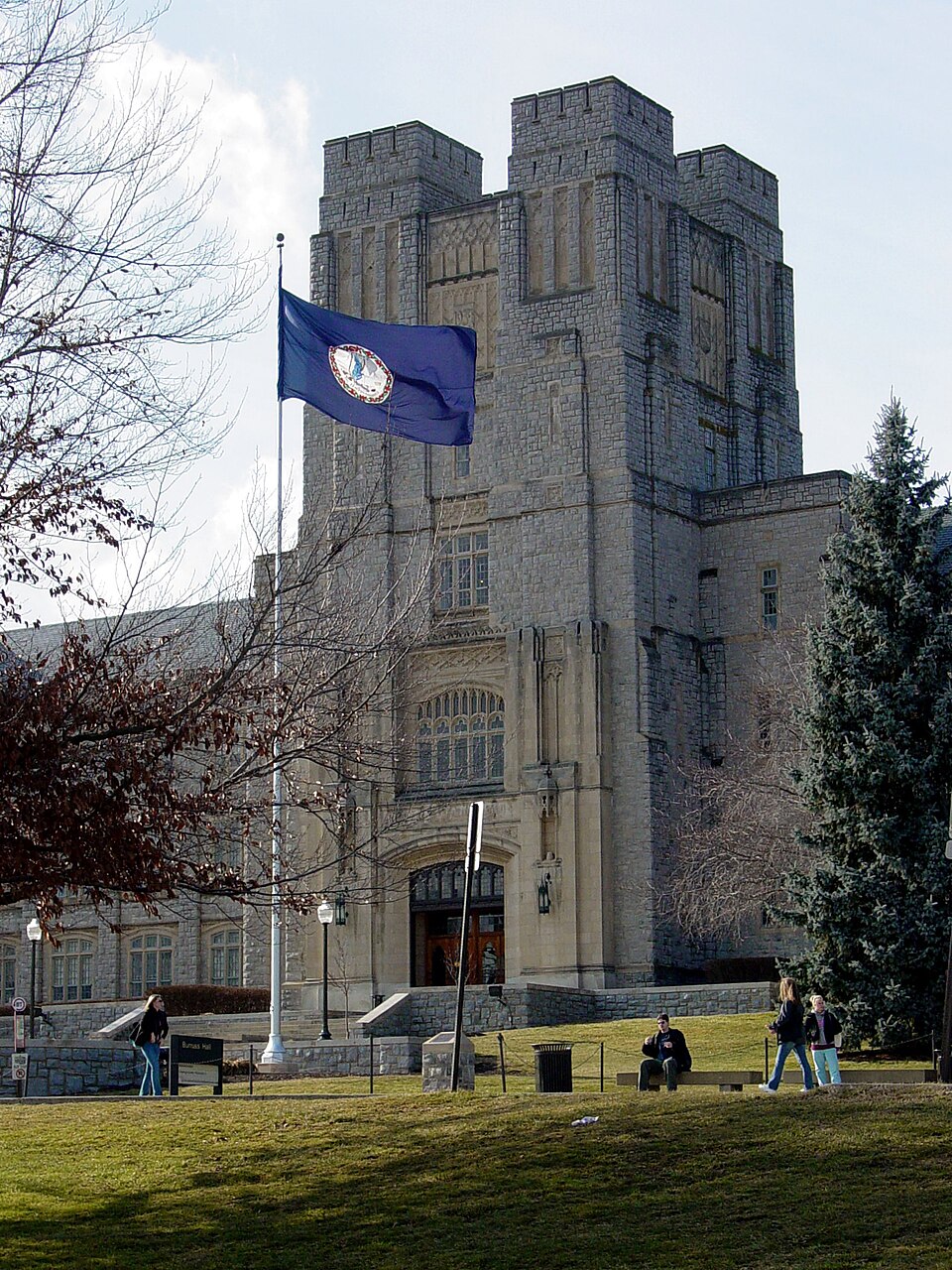
Weekends revolve around Hokie football traditions at Lane Stadium, where the entire town turns maroon and orange. The 17:1 student-faculty ratio means professors actually know your name, especially in upper-level engineering courses. Students gather at the Drillfield for pickup games and study sessions under the shadow of Burruss Hall. Downtown Blacksburg offers college-town staples like Sharkey's and TOTS, but many students prefer hiking the nearby Appalachian Trail. The 91.79% retention rate reflects how students embrace the "Hokie Nation" identity, from jumping to "Enter Sandman" at football games to the gobbling turkey call tradition.
- Setting
- City-Small
- Housing Capacity
- 10,213 beds
- Calendar System
- Semester
- Study Abroad
- Available
Campus Safety (2023)
105 total reported incidents. Source: Clery Act / U.S. Department of Education
| Offense | On Campus | Residential | Noncampus | Public Property |
|---|---|---|---|---|
| Rape | 18 | 14 | 1 | 0 |
| Burglary | 13 | 4 | 1 | 0 |
| Fondling | 9 | 4 | 1 | 0 |
| Motor Vehicle Theft | 9 | 0 | 3 | 0 |
| Stalking | 4 | 4 | 0 | 0 |
| Aggravated Assault | 4 | 2 | 0 | 0 |
| Arson | 3 | 3 | 0 | 0 |
| Dating Violence | 2 | 2 | 0 | 0 |
| Domestic Violence | 2 | 1 | 1 | 0 |
Climate & Weather
- January Avg
- 22°–41°F
- July Avg
- 61°–82°F
- Annual Precipitation
- 42.6"
- Annual Snowfall
- 24.7"
Student Demographics
- Men
- 57.2%
- Women
- 42.8%
- White
- 58.2%
- Black
- 6.2%
- Hispanic
- 10.3%
- Asian
- 12.8%
- In-State Students
- 73.2%
- Pell Grant Recipients
- 15.0%
Location
- Address
- Blacksburg, Virginia 24061-0131
After College
Source: College Scorecard / U.S. Department of Education
- Median Earnings (10 years)
- $81,698
- Median Earnings (5 years)
- $80,730
- Mean Earnings (6 years after entry)
- $50,400
- Loan Repayment Rate
- 80.5%
- Monthly Loan Payment
- $228/mo
- Median Debt at Graduation
- $21,500
Frequently Asked Questions
What is the acceptance rate at Virginia Polytechnic Institute and State University?
Virginia Tech accepts 56.98% of applicants, making it moderately selective. The middle 50% of admitted students score between 1240 and 1430 on the SAT. This engineering powerhouse attracts strong students who embrace the Hokie spirit.
How much does Virginia Polytechnic Institute and State University cost after financial aid?
The average net price is $23,790, though costs vary by family income. Students from families earning under $30,000 pay just $13,536 on average. Graduates leave with a median debt of $21,500 and monthly loan payments of $228.
What academic programs is Virginia Polytechnic Institute and State University known for?
Virginia Tech built its reputation on strong engineering programs that prepare students for high-paying careers. With 30,435 students and a 17:1 student-faculty ratio, the university offers rigorous academics. The 86.34% four-year graduation rate reflects the quality of education and student support.
How much do Virginia Polytechnic Institute and State University graduates earn?
Virginia Tech graduates earn a median of $81,698 ten years after graduation, well above national averages. The 95.7% employment rate shows strong job market outcomes. These impressive earnings reflect the university's focus on STEM fields and practical career preparation.
Where do students live at Virginia Polytechnic Institute and State University?
The Blacksburg campus houses 10,213 students in residence halls, creating a active college town atmosphere. Room and board costs $14,888 annually for on-campus living. The 91.79% retention rate suggests students love the mountain setting and tight-knit Hokie community.
Does Virginia Polytechnic Institute and State University have strong athletic traditions?
The Hokies compete in 18 NCAA Division I sports within the strong Atlantic Coast Conference. The university awards $17,964,368 in athletic scholarships to 610 student-athletes. Virginia Tech's football program and rivalry with the University of Virginia define much of campus culture.