About Virginia University of Lynchburg
The financial picture requires careful consideration. Students pay an average net price of $18,184 after aid, with 79% receiving some form of financial assistance. However, graduates earn a median of just $28,396 ten years after graduation, while carrying typical debt of $24,250. The monthly loan payment of $257 represents a significant portion of the $37,460 median salary earned five years post-graduation. Only 11% of borrowers successfully repay their loans on schedule.
The Dragons compete in four varsity sports through the USCAA, with 126 total athletes receiving $170,251 in athletic scholarships. While 93% of graduates find employment, the 26% six-year graduation rate signals that many students struggle to complete their degrees. The 75% retention rate shows that three-quarters of freshmen return for sophomore year, but finishing remains a challenge at this small Baptist institution.
Academics & Faculty
Source: College Scorecard / U.S. Department of Education
- Student-to-Faculty Ratio
- 12:1
- Full-Time Faculty
- 22.7%
- Graduation Rate (4-year)
- 58.5%
- Graduation Rate (6-year)
- 26.1%
- Retention Rate
- 75.0%
- Median Earnings (10 years)
- $28,396
- Carnegie Classification
- Baccalaureate/Associate College
Popular Programs by Earnings
| Program | Level | Median Earnings |
|---|---|---|
| Business, Management, Marketing, and Related Support Services, Other. | Bachelor | $21,964 |
Campus Life
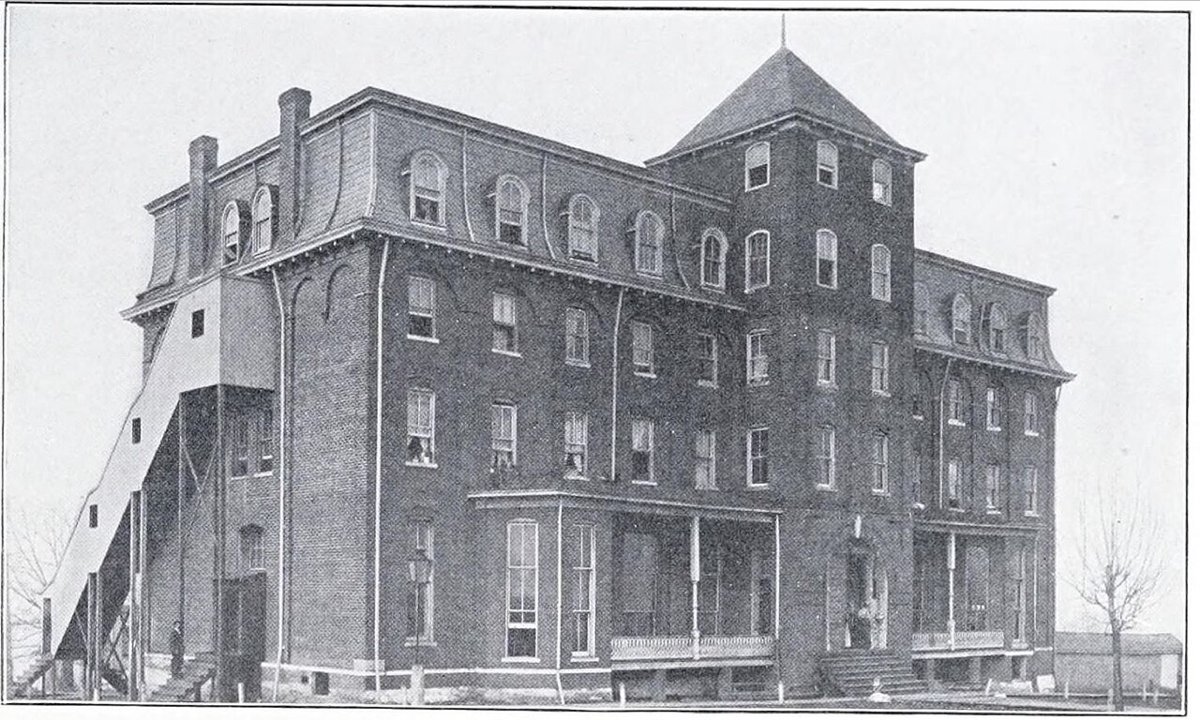
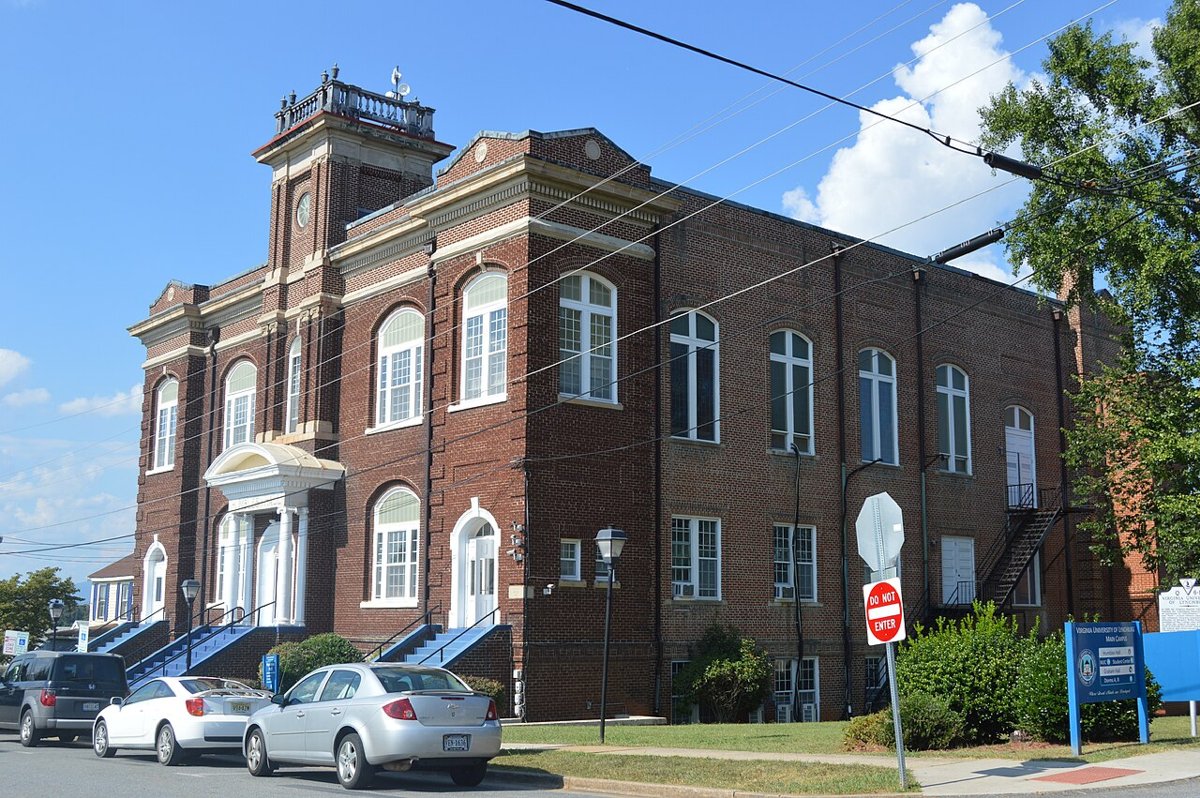
As a historically black university founded in 1886, VUL maintains strong Baptist roots and traditions that shape campus life. With 90% of students being male and 91% being Black, this creates a unique brotherhood atmosphere. Weekend activities center around the four varsity sports teams (126 total athletes means nearly three-quarters of students play a sport), church activities, and community service projects in Lynchburg. The Dragons compete in USCAA athletics, and games become major social events when most of the student body shows up to cheer. Students often describe the campus as feeling like an extended family where everyone looks out for each other.
- Setting
- City-Small
- Housing Capacity
- 170 beds
- Calendar System
- Semester
- Founded
- 1886
Campus Safety (2023)
No reported Clery Act crimes in 2023.
Climate & Weather
- January Avg
- 24°–46°F
- July Avg
- 64°–85°F
- Annual Precipitation
- 43.6"
- Annual Snowfall
- 12.4"
Student Demographics
- Men
- 90.0%
- Women
- 10.0%
- White
- 0.6%
- Black
- 90.6%
- Hispanic
- 0.6%
- Asian
- 0.0%
- In-State Students
- 40.7%
- Pell Grant Recipients
- 78.5%
Location
- Address
- Lynchburg, Virginia 24501
After College
Source: College Scorecard / U.S. Department of Education
- Median Earnings (10 years)
- $28,396
- Median Earnings (5 years)
- $37,460
- Mean Earnings (6 years after entry)
- $19,200
- Loan Repayment Rate
- 10.6%
- Monthly Loan Payment
- $257/mo
- Median Debt at Graduation
- $24,250
Frequently Asked Questions
What is the student body composition at Virginia University of Lynchburg?
The university enrolls just 170 students with a heavily male population at 90% men and 10% women. As a historically black university founded in 1886, the student body is 90.59% Black with a strong Baptist tradition shaping campus culture.
How much does Virginia University of Lynchburg cost after financial aid?
Students pay an average net price of $18,184 annually with 78.53% receiving financial aid. The low sticker price of $9,248 for tuition makes this HBCU accessible, though graduates carry a median debt of $24,250.
What are the class sizes like at Virginia University of Lynchburg?
The student-faculty ratio is 12:1, ensuring small classes and personal attention in this intimate academic environment. With only 170 total students, the Dragons compete in USCAA athletics with 126 student-athletes participating across 4 varsity sports.
What do graduates earn after attending Virginia University of Lynchburg?
Alumni earn a median salary of $28,396 ten years after graduation with a 93.2% employment rate. The 26.10% six-year graduation rate reflects challenges, but those who complete their degrees find steady work in their communities.
Where do students live at Virginia University of Lynchburg?
The campus housing capacity matches total enrollment at 170 students, creating a tight-knit residential community in small-city Lynchburg. Room and board costs $9,400 annually, contributing to the total attendance cost of $19,448.
Is Virginia University of Lynchburg focused on athletics?
The Dragons dedicate significant resources to sports with $170,251 in athletic scholarships supporting 126 student-athletes. With 74% of the student body participating in athletics across 4 varsity sports, this small HBCU punches above its weight in competitive sports.