About Wake Forest University
Students pay an average net price of $28,746 after financial aid, though this varies dramatically by family income. Families earning under $30,000 pay just $11,554, while those making over $110,000 face $54,447 annually. Graduates typically earn $78,158 ten years after graduation, making the median debt load of $21,500 manageable with monthly payments of $228. The 95.2% employment rate suggests strong career prospects.
Wake Forest's Demon Deacons compete in the ACC with 430 student-athletes across 14 sports. The school awards over $21 million in athletic scholarships annually. Students come primarily from out-of-state, with only 16.53% from North Carolina. The 94.67% retention rate reflects student satisfaction, while the 90.90% six-year graduation rate demonstrates academic rigor paired with strong support systems.
Academics & Faculty
Source: College Scorecard / U.S. Department of Education
- Student-to-Faculty Ratio
- 9:1
- Full-Time Faculty
- 75.6%
- Graduation Rate (4-year)
- 90.3%
- Graduation Rate (6-year)
- 90.9%
- Retention Rate
- 94.7%
- Median Earnings (10 years)
- $78,158
- Carnegie Classification
- Doctoral University (R2)
Popular Programs by Earnings
| Program | Level | Median Earnings |
|---|---|---|
| Allied Health Diagnostic, Intervention, and Treatment Professions. | Master | $96,587 |
| Finance and Financial Management Services. | Bachelor | $80,510 |
| Business Administration, Management and Operations. | Master | $76,836 |
| Computer Science. | Bachelor | $71,015 |
| Mathematics. | Bachelor | $70,456 |
| Business/Commerce, General. | Bachelor | $66,653 |
| Accounting and Related Services. | Master | $65,145 |
| Management Sciences and Quantitative Methods. | Bachelor | $63,005 |
| Law. | Doctoral | $60,811 |
| Medicine. | Doctoral | $57,411 |
Campus Life
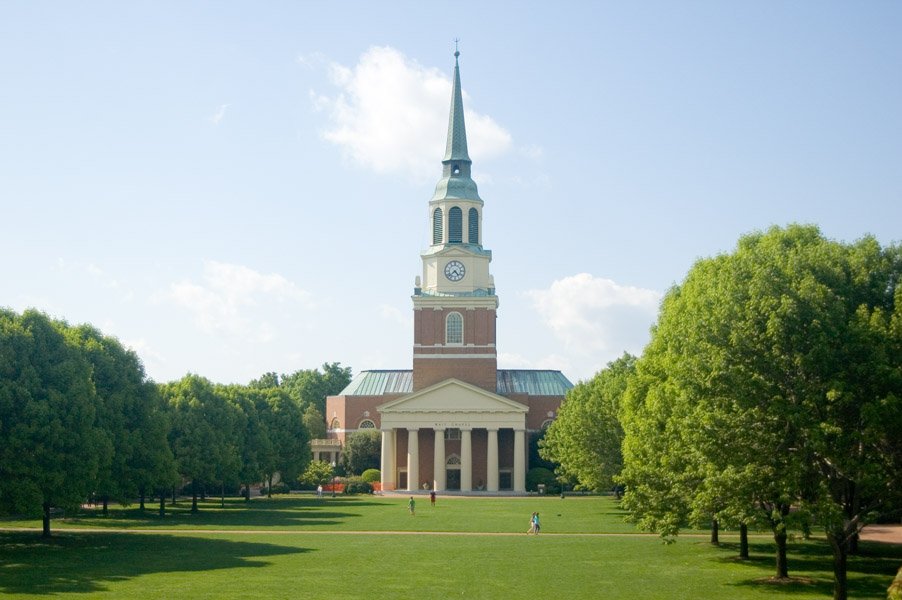
The Demon Deacons take their "Work Forest" nickname seriously during the week, but weekends revolve around ACC athletics and the famous Screamin' Demons student section. Students gather on the Quad for everything from impromptu frisbee games to formal events tied to the school's "Pro Humanitate" motto. Greek life influences the social scene , though the small size means everyone mingles across different groups. Winston-Salem offers internships at companies like Reynolds American and Krispy Kreme, while Charlotte sits 90 minutes away for bigger city experiences. The 94.67% retention rate reflects how students bond with this close-knit academic community.
- Setting
- City-Large
- Housing Capacity
- 4,104 beds
- Calendar System
- Semester
- Study Abroad
- Available
- Founded
- 1834
Campus Safety (2023)
219 total reported incidents. Source: Clery Act / U.S. Department of Education
| Offense | On Campus | Residential | Noncampus | Public Property |
|---|---|---|---|---|
| Domestic Violence | 2 | 0 | 52 | 0 |
| Stalking | 16 | 9 | 18 | 0 |
| Motor Vehicle Theft | 28 | 1 | 6 | 0 |
| Burglary | 8 | 3 | 11 | 0 |
| Aggravated Assault | 2 | 1 | 11 | 6 |
| Rape | 6 | 5 | 5 | 0 |
| Dating Violence | 6 | 6 | 1 | 0 |
| Fondling | 0 | 0 | 9 | 0 |
| Robbery | 2 | 0 | 4 | 1 |
Climate & Weather
- January Avg
- 30°–48°F
- July Avg
- 69°–88°F
- Annual Precipitation
- 43.2"
- Annual Snowfall
- 6.2"
Student Demographics
- Men
- 44.6%
- Women
- 55.4%
- White
- 64.3%
- Black
- 6.6%
- Hispanic
- 9.6%
- Asian
- 5.3%
- In-State Students
- 16.5%
- Pell Grant Recipients
- 9.5%
Location
- Address
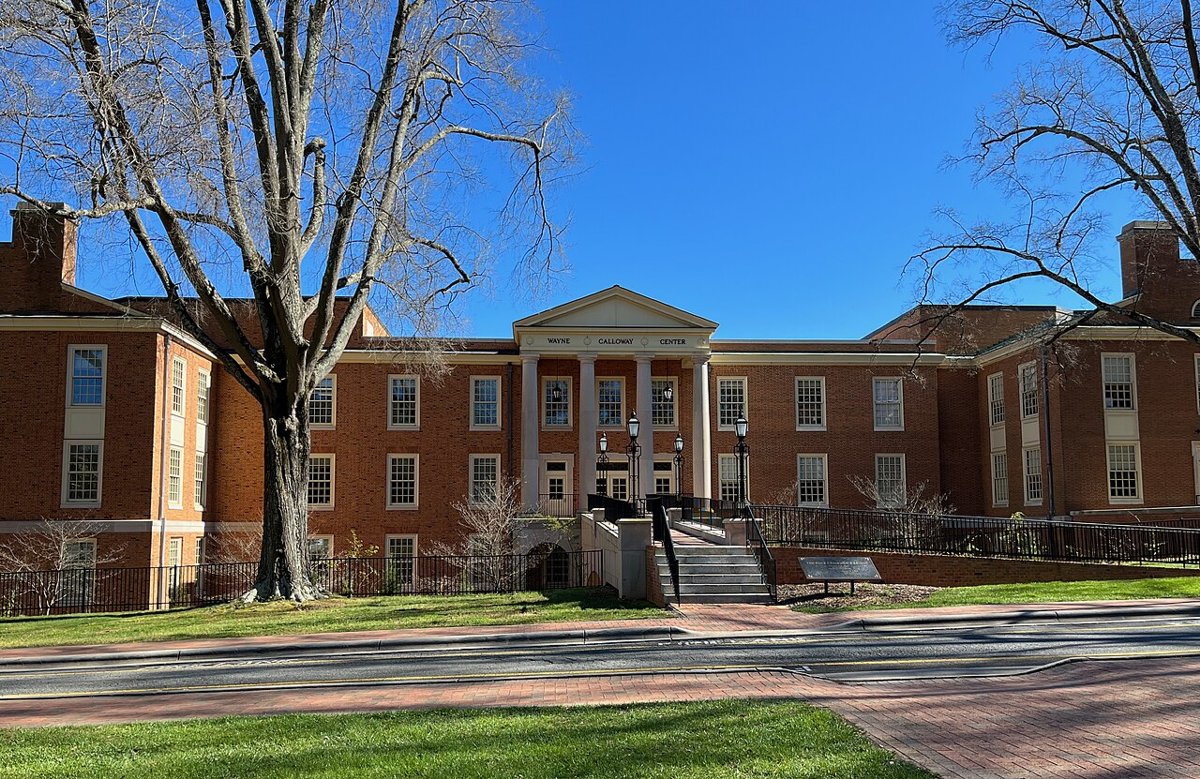
- Winston-Salem, North Carolina 27106
After College
Source: College Scorecard / U.S. Department of Education
- Median Earnings (10 years)
- $78,158
- Median Earnings (5 years)
- $86,157
- Mean Earnings (6 years after entry)
- $62,900
- Loan Repayment Rate
- 88.2%
- Monthly Loan Payment
- $228/mo
- Median Debt at Graduation
- $21,500
Frequently Asked Questions
What is the acceptance rate at Wake Forest University?
Wake Forest accepts 21.37% of applicants, making it highly selective among private research universities. The school attracts top students who appreciate its Pro Humanitate motto and strong emphasis on character development alongside academic excellence.
How much does Wake Forest University cost after financial aid?
The average net price is $28,746, though this varies dramatically by family income with the lowest earners paying just $6,043. Wake Forest meets demonstrated need for most students, though only 9.49% receive Pell Grants, reflecting its wealthy student body.
What is the student-faculty ratio at Wake Forest University?
Wake Forest maintains a 9:1 student-faculty ratio with just 5,471 total students. This intimate setting allows professors to know students personally and creates the close-knit community the school is famous for.
What are job prospects like for Wake Forest University graduates?
Graduates earn a median salary of $78,158 ten years after graduation with a 95.2% employment rate. The powerful Demon Deacon alumni network, including NBA stars Tim Duncan and Chris Paul, opens doors across business and professional fields.
Where do most Wake Forest University students come from?
Only 16.53% of students are from North Carolina, with the majority coming from out of state. The student body is 64.27% white and heavily draws from affluent families who can afford the $84,236 total cost of attendance.
How successful are Wake Forest University's athletic programs?
The Demon Deacons compete in the ACC with 14 varsity sports and award over $21 million in athletic scholarships. Wake Forest has produced legendary athletes like Arnold Palmer and maintains a fierce rivalry with nearby Duke University.