
About West Virginia University
The financial picture works in students' favor with an average net price of $12,997 after aid. Graduates earn a median of $55,939 ten years out, making the typical debt load of $22,500 manageable for most careers. Students from families earning under $30,000 pay just $9,217 net price, while those from higher-income households still get solid value compared to peer institutions.
The Mountaineers compete in the Big 12 Conference across 17 varsity sports with nearly $11.5 million in athletic scholarships. With an 88% acceptance rate and average SAT of 1110, WVU welcomes motivated students ready to embrace both academic challenge and the tight-knit community that defines mountain state culture.
Academics & Faculty
Source: College Scorecard / U.S. Department of Education
- Student-to-Faculty Ratio
- 17:1
- Full-Time Faculty
- 76.7%
- Graduation Rate (4-year)
- 61.7%
- Graduation Rate (6-year)
- 61.2%
- Retention Rate
- 81.5%
- Median Earnings (10 years)
- $55,939
- Carnegie Classification
- Doctoral University (R1)
Popular Programs by Earnings
| Program | Level | Median Earnings |
|---|---|---|
| Dentistry. | Doctoral | $125,015 |
| Pharmacy, Pharmaceutical Sciences, and Administration. | Doctoral | $118,155 |
| Registered Nursing, Nursing Administration, Nursing Research and Clinical Nursing. | Master | $94,763 |
| Allied Health and Medical Assisting Services. | Master | $88,195 |
| Business/Commerce, General. | Master | $81,997 |
| Human Resources Management and Services. | Master | $81,333 |
| Psychology, General. | Doctoral | $72,796 |
| Rehabilitation and Therapeutic Professions. | Doctoral | $69,757 |
| Industrial Engineering. | Bachelor | $68,047 |
| Electrical, Electronics and Communications Engineering. | Bachelor | $67,995 |
Campus Life
Students gather downtown on High Street for restaurants and bars within walking distance of campus. The student-faculty ratio of 17:1 means larger lecture halls are common, especially for introductory courses. Greek life attracts a solid portion of students who want structured social activities. Outdoor enthusiasts take advantage of nearby hiking trails and the Monongahela River for recreation. Basketball games at the WVU Coliseum draw passionate crowds during Big 12 conference play. The retention rate of 81.45% suggests most students adapt well to the mix of academic rigor and mountain town social life that defines the Mountaineer experience.
- Setting
- City-Small
- Housing Capacity
- 5,458 beds
- Calendar System
- Semester
- Study Abroad
- Available
- Founded
- 1867
Campus Safety (2023)
163 total reported incidents. Source: Clery Act / U.S. Department of Education
| Offense | On Campus | Residential | Noncampus | Public Property |
|---|---|---|---|---|
| Domestic Violence | 27 | 9 | 0 | 0 |
| Stalking | 24 | 10 | 0 | 0 |
| Rape | 18 | 13 | 1 | 0 |
| Fondling | 15 | 5 | 0 | 0 |
| Burglary | 7 | 5 | 3 | 0 |
| Aggravated Assault | 10 | 2 | 2 | 0 |
| Motor Vehicle Theft | 5 | 0 | 0 | 0 |
| Arson | 2 | 1 | 0 | 0 |
| Dating Violence | 1 | 1 | 0 | 0 |
| Robbery | 2 | 0 | 0 | 0 |
Climate & Weather
- January Avg
- 20°–38°F
- July Avg
- 62°–83°F
- Annual Precipitation
- 44.5"
- Annual Snowfall
- 14.4"
Student Demographics
- Men
- 48.4%
- Women
- 51.6%
- White
- 82.2%
- Black
- 2.9%
- Hispanic
- 4.4%
- Asian
- 1.7%
- In-State Students
- 43.9%
- Pell Grant Recipients
- 20.4%
Location
- Address
- Morgantown, West Virginia 26506
After College
Source: College Scorecard / U.S. Department of Education
- Median Earnings (10 years)
- $55,939
- Median Earnings (5 years)
- $62,396
- Mean Earnings (6 years after entry)
- $39,300
- Loan Repayment Rate
- 58.3%
- Monthly Loan Payment
- $239/mo
- Median Debt at Graduation
- $22,500
Frequently Asked Questions
What is the acceptance rate at West Virginia University?
West Virginia University accepts 88.38% of applicants, making it accessible to most students who meet basic requirements. The middle 50% of admitted students score between 1000-1220 on the SAT, reflecting the university's commitment to serving a broad range of West Virginia residents and out-of-state students.
How much does West Virginia University cost after financial aid?
Students pay an average net price of $12,997 after aid, with families earning under $30,000 paying just $9,217. In-state tuition runs $9,648 while out-of-state students pay $27,360, making WVU particularly affordable for West Virginia residents seeking a major research university education.
What academic programs is West Virginia University known for?
WVU operates as a major public research university with a student-faculty ratio of 17:1 across strong engineering, business, and health programs. The university enrolls 17,705 students and maintains an 81.45% retention rate, reflecting solid academic support despite its large size.
What are the job prospects after graduating from West Virginia University?
Graduates achieve a 95.6% employment rate with median earnings of $55,939 ten years after graduation. The university's 61.20% six-year graduation rate and strong alumni network, including figures like Jerry West and Steve Harvey, help students transition into successful careers.
Where is West Virginia University located and what is campus life like?
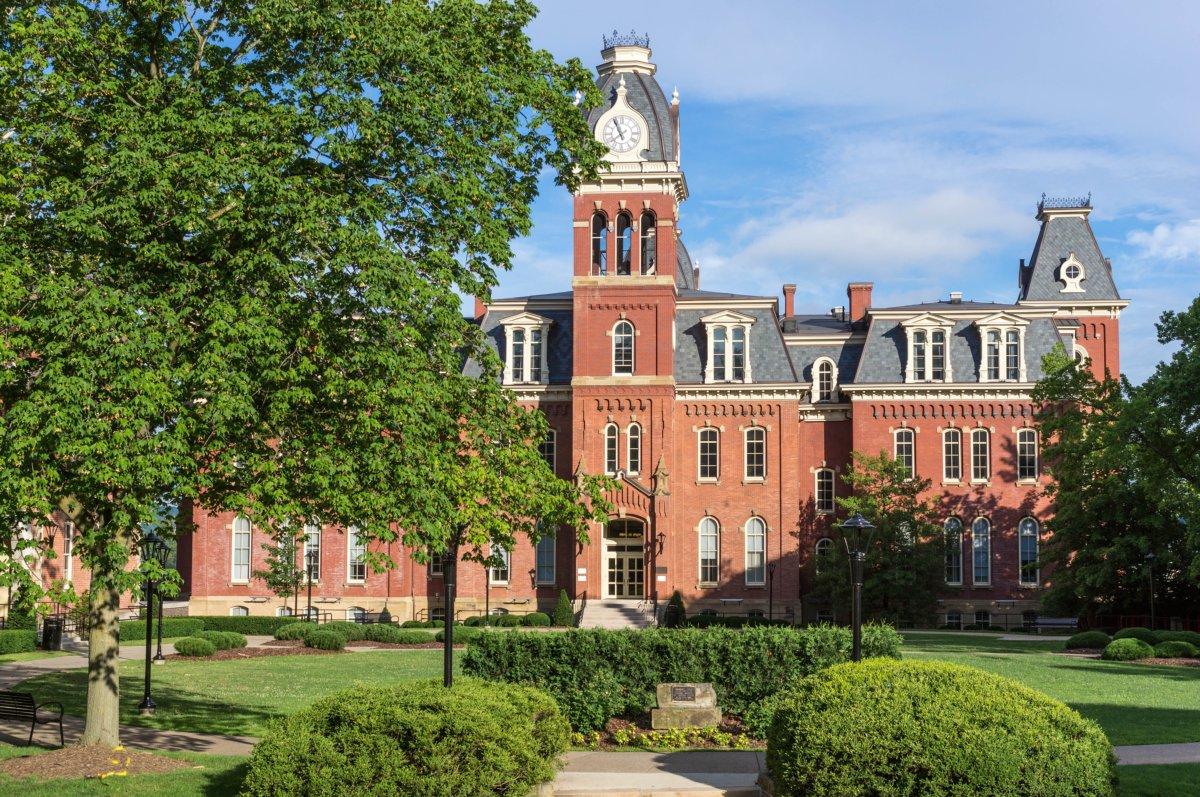
The university sits in Morgantown, a small city that revolves around Mountaineer pride and Big 12 Conference athletics. Campus housing accommodates 5,458 students, creating a tight-knit community atmosphere despite the university's research focus and Division I sports culture.
How competitive are West Virginia University's athletic programs?
WVU fields 17 varsity sports in the Big 12 Conference with 497 total athletes receiving $11.46 million in athletic scholarships. The Mountaineers compete at the highest Division I level and maintain intense rivalries with Virginia Tech and Pittsburgh, making game days central to campus culture.