About Western Wyoming Community College
Students pay an average net price of $8,420 after financial aid, making this an affordable path to career training. Graduates earn a median of $40,939 ten years after starting, with typical debt loads of just $9,000. The low debt burden means monthly loan payments average only $95, making the financial commitment manageable for most students. About 95.1% of graduates find employment, reflecting the college's strong industry connections.
The student body is 84.4% Wyoming residents who stay close to home for practical training. Women make up 59% of enrollment, often pursuing healthcare and business programs. The Mustangs compete in five NJCAA sports with 95 total athletes sharing $554,400 in athletic scholarships. With a 12:1 student-faculty ratio, students get personal attention as they prepare for careers in Wyoming's resource-based economy.
Academics & Faculty
Source: College Scorecard / U.S. Department of Education
- Student-to-Faculty Ratio
- 12:1
- Full-Time Faculty
- 100.0%
- Graduation Rate (4-year)
- 33.6%
- Graduation Rate (6-year)
- 33.3%
- Retention Rate
- 50.0%
- Median Earnings (10 years)
- $40,939
Popular Programs by Earnings
| Program | Level | Median Earnings |
|---|---|---|
| Liberal Arts and Sciences, General Studies and Humanities. | Associate | $28,019 |
Campus Life
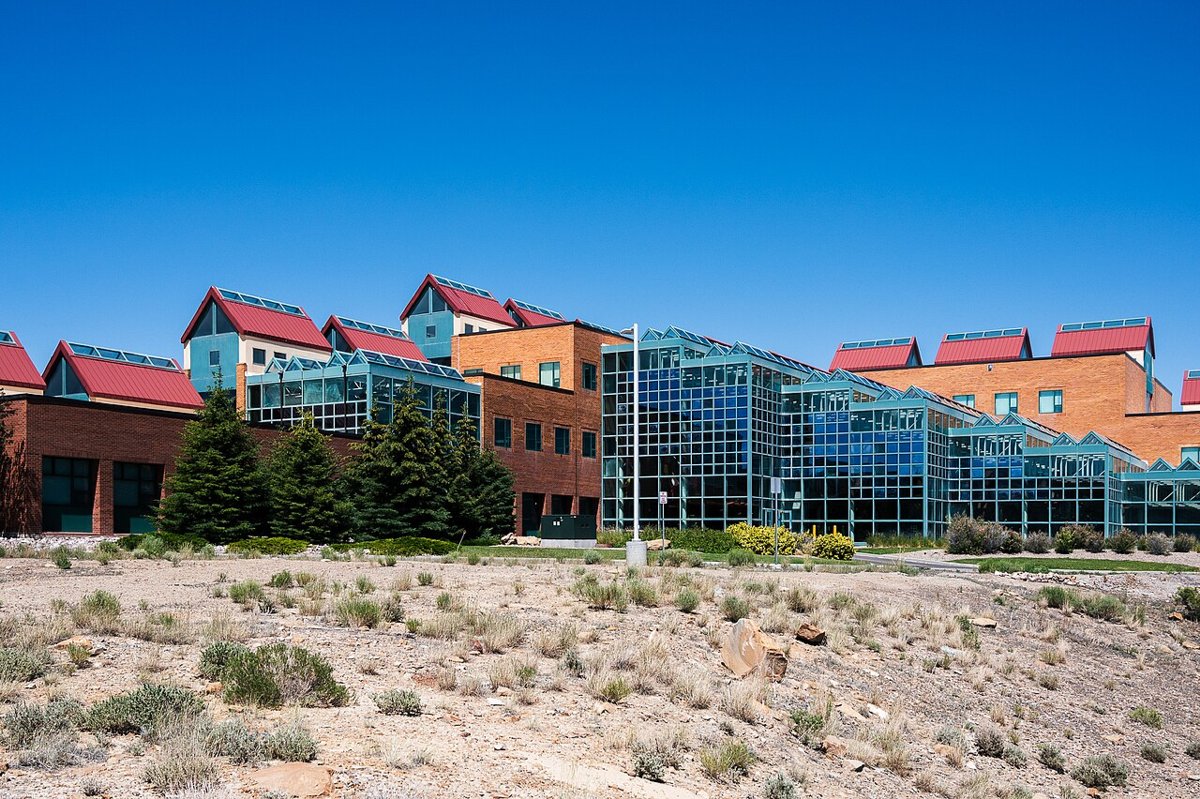
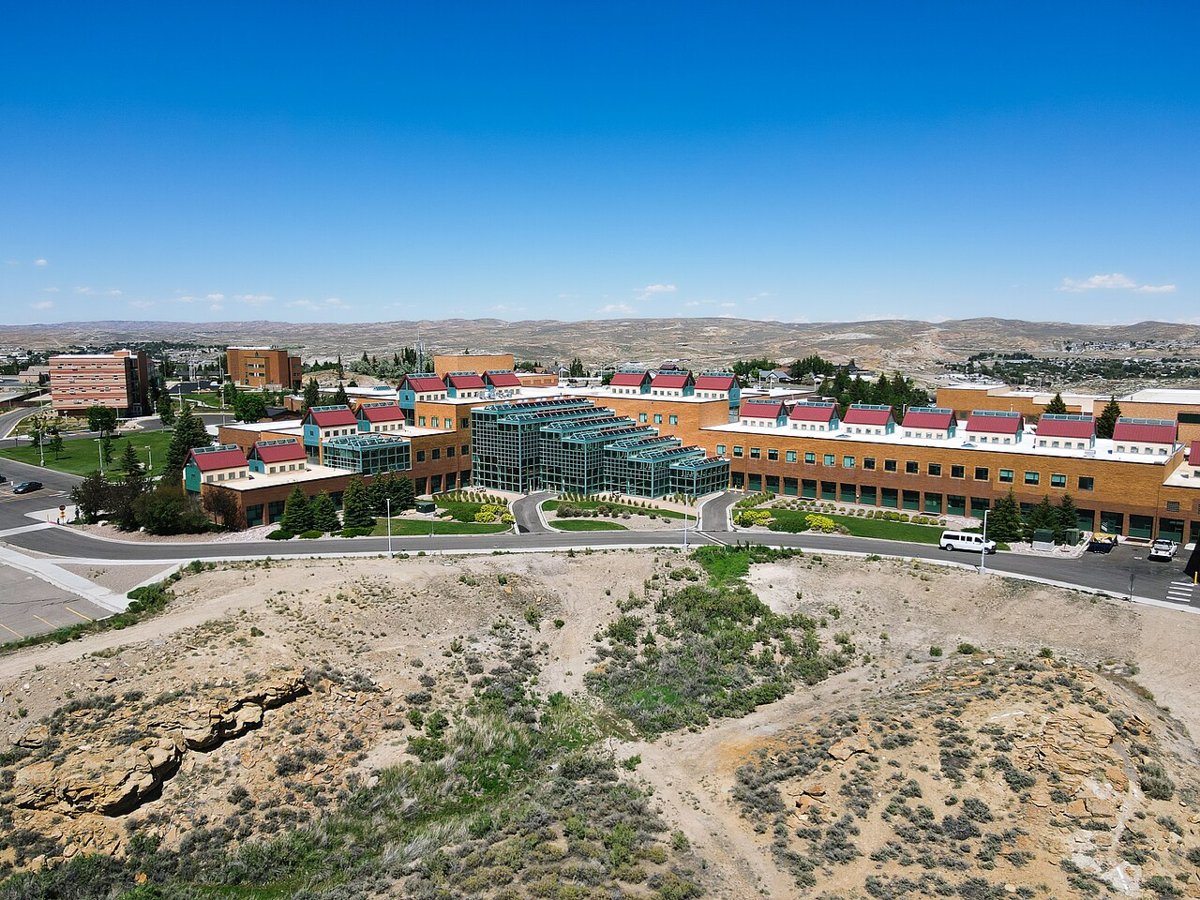
Weekend options depend heavily on outdoor activities since Rock Springs has limited nightlife. Students head to Flaming Gorge Reservoir for fishing and boating or explore the nearby Red Desert. The Mustangs compete in five NJCAA sports with 95 total athletes, creating a tight-knit athletic community. Women make up 59% of the student body, and 84% of students come from in-state. Many students work while attending since the employment rate hits 95.1%. The campus culture revolves around practical career preparation rather than traditional college social scenes, reflecting the community college mission of serving local workforce needs.
- Setting
- Town-Remote
- Housing Capacity
- 422 beds
- Calendar System
- Semester
- Founded
- 1959
Campus Safety (2023)
9 total reported incidents. Source: Clery Act / U.S. Department of Education
| Offense | On Campus | Residential | Noncampus | Public Property |
|---|---|---|---|---|
| Dating Violence | 2 | 2 | 0 | 0 |
| Rape | 2 | 1 | 0 | 0 |
| Stalking | 1 | 1 | 0 | 0 |
Climate & Weather
- January Avg
- 12°–30°F
- July Avg
- 54°–83°F
- Annual Precipitation
- 24.3"
- Annual Snowfall
- 37.9"
Student Demographics
- Men
- 41.0%
- Women
- 59.0%
- White
- 74.2%
- Black
- 0.7%
- Hispanic
- 17.5%
- Asian
- 0.5%
- In-State Students
- 84.4%
- Pell Grant Recipients
- 17.5%
Location
- Address
- Rock Springs, Wyoming 82901
After College
Source: College Scorecard / U.S. Department of Education
- Median Earnings (10 years)
- $40,939
- Median Earnings (5 years)
- $51,940
- Mean Earnings (6 years after entry)
- $35,700
- Loan Repayment Rate
- 52.7%
- Monthly Loan Payment
- $95/mo
- Median Debt at Graduation
- $9,000
Frequently Asked Questions
What is the acceptance rate at Western Wyoming Community College?
As a community college, Western Wyoming maintains an open admissions policy for students with high school diplomas or equivalent. The college enrolls 1,289 students and serves as an accessible entry point to higher education in southwestern Wyoming. About 84% of students come from within Wyoming.
How much does Western Wyoming Community College cost after financial aid?
Students pay an average net price of $8,420 annually after aid is applied. In-state tuition runs $4,250 while out-of-state students pay $10,550. Only 17.5% of students receive federal financial aid, reflecting the college's affordable base pricing.
What is the student-faculty ratio at Western Wyoming Community College?
The college maintains a 12:1 student-to-faculty ratio, providing relatively small class sizes for personalized attention. This ratio supports the college's focus on career preparation and transfer programs. About 50% of students return for their second year.
What are the career outcomes for Western Wyoming Community College graduates?
Graduates earn a median salary of $40,939 ten years after enrollment with a 95.1% employment rate. The college specializes in workforce development programs aligned with Wyoming's energy and mining industries. Most graduates carry manageable debt loads of around $9,000.
Where is Western Wyoming Community College located and what is campus life like?
The college sits in Rock Springs, a remote mining town in southwestern Wyoming's high desert. Campus housing accommodates 422 students in a tight-knit community setting. The Mustangs compete in five NJCAA sports with 95 total athletes receiving $554,400 in athletic scholarships.
Does Western Wyoming Community College offer four-year degrees?
Despite being listed as offering four-year programs, Western Wyoming primarily functions as a traditional two-year community college. The 33% graduation rate reflects both associate degree completion and transfers to four-year institutions. Most students use the college as a stepping stone to complete bachelor's degrees elsewhere or enter the workforce directly.