
About Wichita State University
Students pay an average net price of $13,776 after financial aid, making this one of the more affordable options in Kansas. Graduates earn a median of $51,532 ten years after leaving, while typical student debt sits at $20,500. The monthly loan payment of $217 remains manageable compared to earning potential. About 30% of students receive Pell Grants, and the employment rate reaches 95.6% after graduation.
The Shockers compete in NCAA Division I with 11 varsity sports and $4.2 million in athletic scholarships. Students come mostly from Kansas, with 77.71% being in-state residents. The 20:1 student-faculty ratio means larger classes are common. Campus housing accommodates only 1,396 students, so many live off-campus in Wichita's affordable rental market.
Academics & Faculty
Source: College Scorecard / U.S. Department of Education
- Student-to-Faculty Ratio
- 20:1
- Full-Time Faculty
- 63.1%
- Graduation Rate (4-year)
- 51.5%
- Graduation Rate (6-year)
- 51.4%
- Retention Rate
- 67.6%
- Median Earnings (10 years)
- $51,532
- Carnegie Classification
- Doctoral University (R2)
Popular Programs by Earnings
| Program | Level | Median Earnings |
|---|---|---|
| Registered Nursing, Nursing Administration, Nursing Research and Clinical Nursing. | Master | $110,878 |
| Allied Health Diagnostic, Intervention, and Treatment Professions. | Master | $104,749 |
| Industrial Engineering. | Master | $80,022 |
| Computer Engineering. | Master | $78,114 |
| Clinical, Counseling and Applied Psychology. | Doctoral | $76,460 |
| Electrical, Electronics and Communications Engineering. | Bachelor | $69,338 |
| Rehabilitation and Therapeutic Professions. | Doctoral | $68,422 |
| Communication Disorders Sciences and Services. | Doctoral | $68,219 |
| Mechanical Engineering. | Bachelor | $65,784 |
| Computer Engineering. | Bachelor | $64,990 |
Campus Life
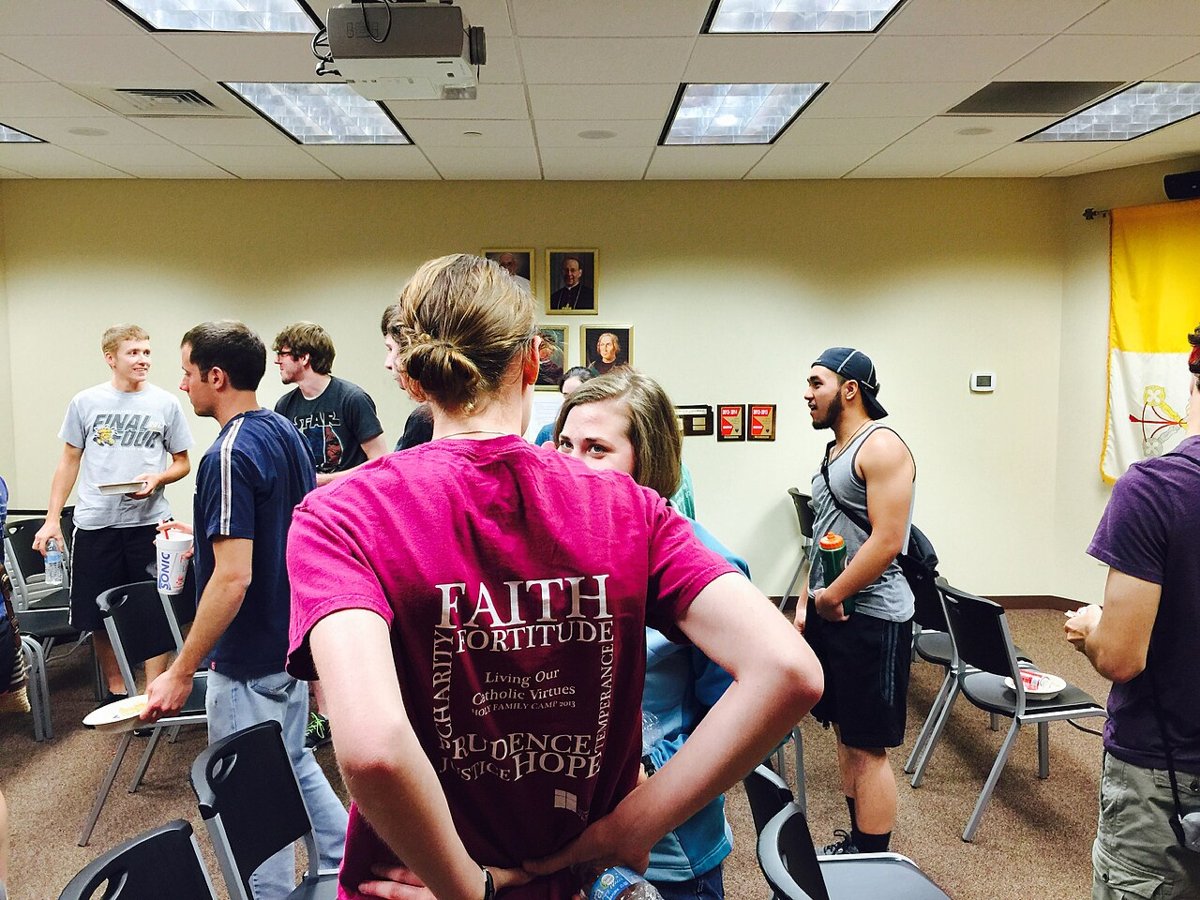
Kansas weather means hot summers reaching 90+ degrees and cold winters dipping below freezing, so pack both shorts and a heavy coat. Students spend weekends at Intrust Bank Arena downtown catching concerts, exploring Old Town's bars and restaurants, or heading to the Arkansas River for outdoor activities. The 20:1 student-faculty ratio means larger lecture classes, typical for a public research university. With 77% of students from Kansas, the atmosphere feels distinctly Midwestern. Engineering students often land internships at local aviation giants, while the broader student body enjoys Division I athletics and the pride that comes with the Shockers nickname.
- Setting
- City-Large
- Housing Capacity
- 1,396 beds
- Calendar System
- Semester
- Study Abroad
- Available
- Founded
- 1886
Campus Safety (2023)
49 total reported incidents. Source: Clery Act / U.S. Department of Education
| Offense | On Campus | Residential | Noncampus | Public Property |
|---|---|---|---|---|
| Dating Violence | 8 | 3 | 0 | 2 |
| Stalking | 12 | 1 | 0 | 0 |
| Burglary | 4 | 0 | 3 | 0 |
| Rape | 3 | 3 | 0 | 0 |
| Fondling | 3 | 1 | 1 | 0 |
| Aggravated Assault | 2 | 0 | 0 | 1 |
| Motor Vehicle Theft | 1 | 0 | 0 | 0 |
| Robbery | 1 | 0 | 0 | 0 |
Climate & Weather
- January Avg
- 22°–43°F
- July Avg
- 69°–91°F
- Annual Precipitation
- 32.6"
- Annual Snowfall
- 12.7"
Student Demographics
- Men
- 44.1%
- Women
- 55.9%
- White
- 56.6%
- Black
- 6.1%
- Hispanic
- 17.0%
- Asian
- 7.7%
- In-State Students
- 77.7%
- Pell Grant Recipients
- 29.7%
Location
- Address
- Wichita, Kansas 67260-0124
After College
Source: College Scorecard / U.S. Department of Education
- Median Earnings (10 years)
- $51,532
- Median Earnings (5 years)
- $54,872
- Mean Earnings (6 years after entry)
- $38,900
- Loan Repayment Rate
- 53.6%
- Monthly Loan Payment
- $217/mo
- Median Debt at Graduation
- $20,500
Frequently Asked Questions
What is the acceptance rate at Wichita State University?
Wichita State accepts 94.85% of applicants, making it highly accessible to students. The university attracts students with an average SAT score of 1107 and ACT score of 23. This open admissions approach reflects WSU's mission as a public research university serving the greater Wichita community.
How much does Wichita State University cost after financial aid?
Students pay an average net price of $13,776 annually after aid is applied. In-state tuition starts at $9,322 while out-of-state students pay $19,240. Nearly 30% of students receive Pell Grants, and graduates typically leave with $20,500 in debt.
What is Wichita State University known for academically?
WSU has built a strong reputation for its engineering programs and serves as a research university with a 20:1 student-faculty ratio. The university enrolls 10,493 students across various programs. Engineering graduates often find opportunities in Kansas's aerospace industry, which has deep ties to the Wichita area.
What are the graduation and employment outcomes at Wichita State University?
The university maintains a 51.4% six-year graduation rate with graduates earning a median salary of $51,532 ten years after graduation. Employment rates reach 95.6% for recent graduates. Graduates typically make monthly loan payments of $217, reflecting the school's relatively affordable education.
Where do students live at Wichita State University?
Campus housing accommodates 1,396 students in residence halls and apartments. With 10,493 total enrollment, most students live off-campus in the surrounding Wichita area. The large city setting provides numerous housing options beyond the traditional dormitory experience.
Does Wichita State University have strong athletics?
The Shockers compete in NCAA Division I as part of the American Conference with 11 varsity sports. The university awards $4,188,105 in athletic scholarships to 256 student-athletes. WSU basketball has gained national recognition, and the Shockers nickname has become synonymous with competitive college athletics in Kansas.