
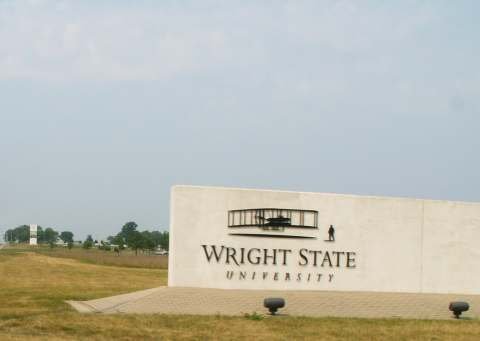
About Wright State University-Main Campus
Students pay an average net price of $15,216 after financial aid, making Wright State relatively affordable for a four-year degree. Graduates earn a median of $49,500 ten years after graduation with typical debt loads of $22,750. The math works reasonably well for most students, though the 46% six-year graduation rate means nearly half of students take longer than expected to finish. Monthly loan payments average $241, which is manageable given typical starting salaries.
The student body is overwhelmingly local, with 95% coming from Ohio. Wright State competes in NCAA Division I athletics as the Raiders, offering 10 varsity sports with 240 student-athletes. The 15:1 student-faculty ratio provides decent access to professors, while the semester calendar system follows a traditional academic schedule that most Ohio students expect.
Academics & Faculty
Source: College Scorecard / U.S. Department of Education
- Student-to-Faculty Ratio
- 15:1
- Full-Time Faculty
- 56.3%
- Graduation Rate (4-year)
- 44.8%
- Graduation Rate (6-year)
- 45.9%
- Retention Rate
- 62.6%
- Median Earnings (10 years)
- $49,500
- Carnegie Classification
- Doctoral University (R2)
Popular Programs by Earnings
| Program | Level | Median Earnings |
|---|---|---|
| Registered Nursing, Nursing Administration, Nursing Research and Clinical Nursing. | Master | $96,090 |
| Electrical, Electronics and Communications Engineering. | Master | $79,284 |
| Mechanical Engineering. | Master | $77,213 |
| Business/Commerce, General. | Master | $73,070 |
| Engineering Science. | Master | $72,022 |
| Clinical, Counseling and Applied Psychology. | Doctoral | $71,643 |
| Business Administration, Management and Operations. | Master | $69,338 |
| Economics. | Master | $65,238 |
| Mechanical Engineering. | Bachelor | $64,307 |
| Electrical, Electronics and Communications Engineering. | Bachelor | $62,260 |
Campus Life
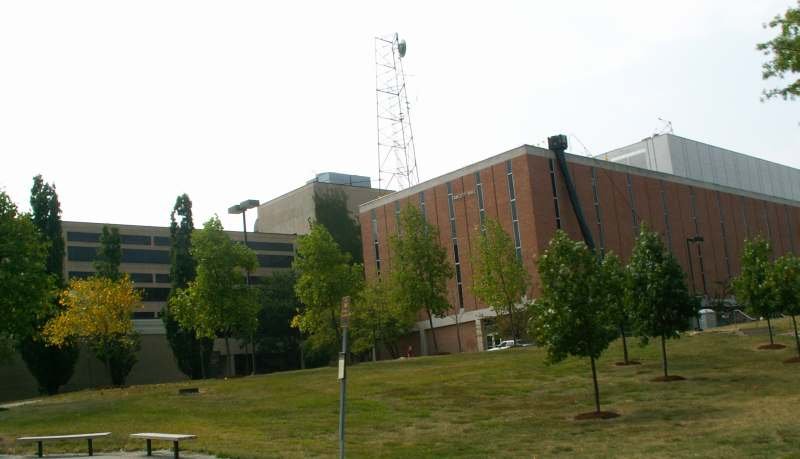
The campus centers around the Nutter Center, home to Raiders basketball games that draw decent crowds despite recent struggles in the Horizon League. Students gravitate toward the Student Union for studying and socializing between classes. With 95% of students from Ohio, the weekend scene stays fairly local. Many head to nearby Yellow Springs for coffee shops and hiking, or catch a Dayton Dragons baseball game downtown. The campus empties on weekends as commuter students head home. Wright State's reputation as one of America's most accessible campuses shows in its wide pathways and barrier-free design, creating an inclusive environment where students with disabilities thrive alongside their peers.
- Setting
- Suburb-Large
- Housing Capacity
- 2,599 beds
- Calendar System
- Semester
- Study Abroad
- Available
Campus Safety (2023)
37 total reported incidents. Source: Clery Act / U.S. Department of Education
| Offense | On Campus | Residential | Noncampus | Public Property |
|---|---|---|---|---|
| Motor Vehicle Theft | 4 | 0 | 8 | 0 |
| Burglary | 4 | 2 | 2 | 0 |
| Fondling | 3 | 2 | 0 | 0 |
| Rape | 2 | 2 | 1 | 0 |
| Dating Violence | 2 | 2 | 0 | 0 |
| Aggravated Assault | 0 | 0 | 1 | 0 |
| Domestic Violence | 0 | 0 | 1 | 0 |
| Stalking | 1 | 0 | 0 | 0 |
Climate & Weather
- January Avg
- 20°–36°F
- July Avg
- 65°–86°F
- Annual Precipitation
- 41.7"
- Annual Snowfall
- 12.3"
Student Demographics
- Men
- 45.7%
- Women
- 54.3%
- White
- 70.8%
- Black
- 11.8%
- Hispanic
- 4.2%
- Asian
- 3.0%
- In-State Students
- 95.0%
- Pell Grant Recipients
- 32.8%
Location
- Address
- Dayton, Ohio 45435-0001

After College
Source: College Scorecard / U.S. Department of Education
- Median Earnings (10 years)
- $49,500
- Median Earnings (5 years)
- $57,485
- Mean Earnings (6 years after entry)
- $34,500
- Loan Repayment Rate
- 53.4%
- Monthly Loan Payment
- $241/mo
- Median Debt at Graduation
- $22,750
Frequently Asked Questions
What is the acceptance rate at Wright State University-Main Campus?
Wright State accepts 95.22% of applicants, making admission very accessible for most students. The average SAT score is 1041, indicating the university welcomes students with a broad range of academic backgrounds.
How much does Wright State University-Main Campus cost after financial aid?
The average net price is $15,216 annually, with significant aid available for lower-income families. Students from families earning under $30,000 pay just $10,987 net price, while in-state tuition starts at $11,188.
What is Wright State University-Main Campus known for academically?
Wright State operates a respected medical school and strong engineering programs with a 15:1 student-faculty ratio. The university has built a reputation as one of the most disability-friendly campuses in the country, emphasizing accessibility in all its programs.
What are the graduation outcomes at Wright State University-Main Campus?
The six-year graduation rate is 45.90%, while graduates earn a median salary of $49,500 ten years after graduation. With 95.2% employment rate and median debt of $22,750, graduates generally find work despite the moderate completion rates.
Where is Wright State University-Main Campus located and what is campus life like?
The campus sits in suburban Dayton, Ohio, serving 6,330 students with 95% coming from in-state. Housing capacity reaches 2,599 students, and the Raiders compete in NCAA Division I athletics across 10 varsity sports.
How accessible is Wright State University-Main Campus for students with disabilities?
Wright State has earned national recognition as one of America's most disability-friendly universities, with comprehensive accessibility features throughout campus. The 62.64% retention rate reflects the university's commitment to supporting all students, including those with diverse learning and physical needs.