
About Ashland University
Students pay an average net price of $21,994 after financial aid, making this private education more affordable than the sticker price suggests. Graduates earn a median of $52,928 ten years after graduation, creating a reasonable return on investment. With median debt of $25,000 and monthly loan payments of $265, most students avoid crushing debt loads. The 89.4% employment rate shows that Ashland graduates find work after college.
The Eagles compete in NCAA Division II with 20 varsity sports and 736 total athletes. Athletic scholarships total nearly $4.9 million, reflecting the university's commitment to well-rounded students. The 72.22% retention rate suggests students generally find what they're looking for, though the 60.60% six-year graduation rate indicates some struggle to finish.
Academics & Faculty
Source: College Scorecard / U.S. Department of Education
- Student-to-Faculty Ratio
- 15:1
- Full-Time Faculty
- 37.0%
- Graduation Rate (4-year)
- 60.4%
- Graduation Rate (6-year)
- 60.6%
- Retention Rate
- 72.2%
- Median Earnings (10 years)
- $52,928
- Carnegie Classification
- Master's University (Large)
Popular Programs by Earnings
| Program | Level | Median Earnings |
|---|---|---|
| Business Administration, Management and Operations. | Master | $73,035 |
| Theological and Ministerial Studies. | Doctoral | $61,516 |
| History. | Master | $58,221 |
| Educational Administration and Supervision. | Master | $56,776 |
| Registered Nursing, Nursing Administration, Nursing Research and Clinical Nursing. | Bachelor | $56,513 |
| Finance and Financial Management Services. | Bachelor | $51,607 |
| Business Administration, Management and Operations. | Bachelor | $51,482 |
| Teacher Education and Professional Development, Specific Subject Areas. | Master | $51,482 |
| Curriculum and Instruction. | Master | $45,735 |
| Special Education and Teaching. | Master | $44,635 |
Campus Life
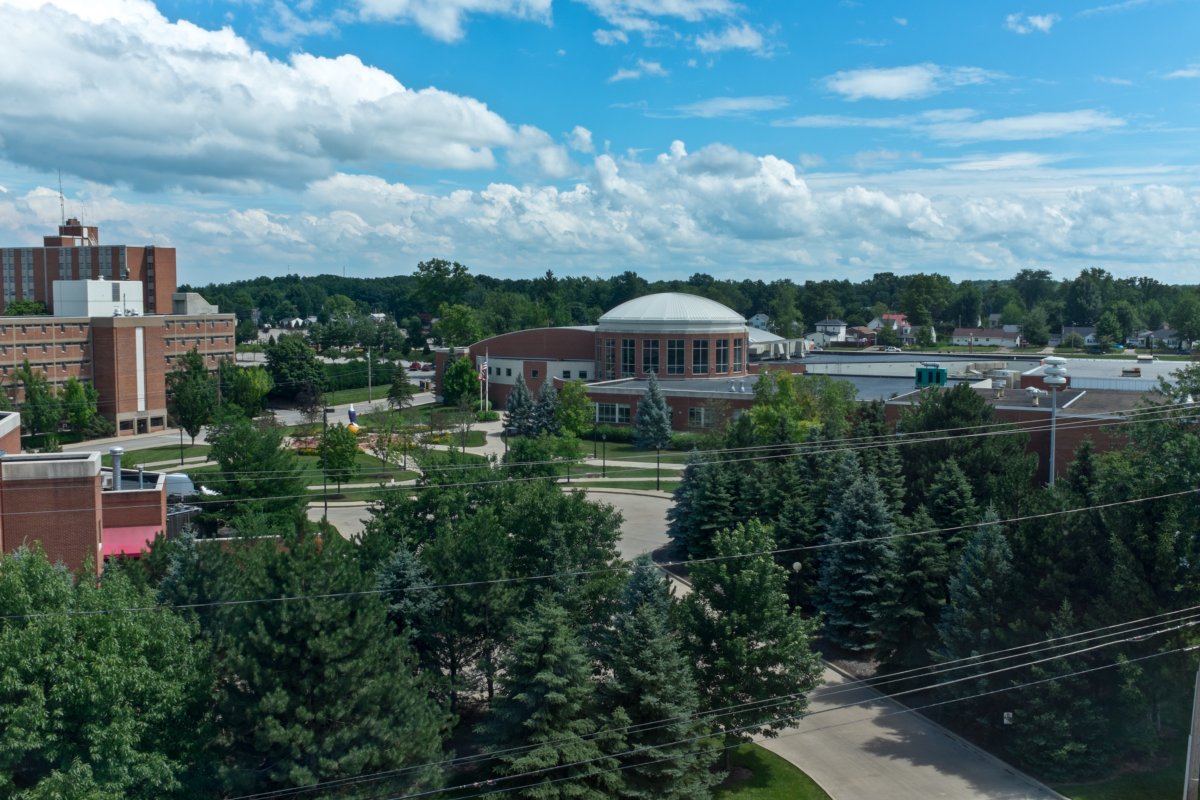
The Eagles compete in 20 Division II sports that draw student crowds, especially during football and basketball seasons. Students pack the 736 total athletic roster, making sports a major part of campus identity. Weekend activities center around athletic events, residence hall programming, and trips to nearby Mansfield for shopping and dining. The 15:1 student-faculty ratio means small seminar discussions replace large lecture halls, creating an intimate academic environment. Greek life and campus organizations provide social outlets, while the Brethren Church affiliation influences campus values without dominating daily life. Students describe the atmosphere as supportive rather than competitive, with professors who remember your career goals long after graduation.
- Setting
- Town-Fringe
- Housing Capacity
- 1,593 beds
- Calendar System
- Semester
- Study Abroad
- Available
- Founded
- 1878
Campus Safety (2023)
12 total reported incidents. Source: Clery Act / U.S. Department of Education
| Offense | On Campus | Residential | Noncampus | Public Property |
|---|---|---|---|---|
| Stalking | 4 | 2 | 2 | 0 |
| Rape | 2 | 0 | 0 | 1 |
| Dating Violence | 1 | 0 | 0 | 0 |
Climate & Weather
- January Avg
- 17°–33°F
- July Avg
- 60°–82°F
- Annual Precipitation
- 39.5"
- Annual Snowfall
- -749.4"
Student Demographics
- Men
- 46.7%
- Women
- 53.3%
- White
- 77.2%
- Black
- 8.8%
- Hispanic
- 3.6%
- Asian
- 1.3%
- In-State Students
- 90.9%
- Pell Grant Recipients
- 27.6%
Location
- Address
- Ashland, Ohio 44805
After College
Source: College Scorecard / U.S. Department of Education
- Median Earnings (10 years)
- $52,928
- Median Earnings (5 years)
- $56,218
- Mean Earnings (6 years after entry)
- $36,000
- Loan Repayment Rate
- 67.6%
- Monthly Loan Payment
- $265/mo
- Median Debt at Graduation
- $25,000
Frequently Asked Questions
What is the acceptance rate at Ashland University?
Ashland University accepts 71.76% of applicants with an average SAT score of 1162. The school's Brethren Church affiliation and comprehensive programs attract students seeking personalized attention in a supportive Christian environment.
How much does Ashland University cost after financial aid?
Students pay an average net price of $21,994 annually, less than the sticker price of $28,910. The university provides substantial institutional grants averaging $16,544 to help make education affordable for families across income levels.
What is the student-faculty ratio at Ashland University?
Ashland maintains a 15:1 student-faculty ratio with 2,250 total students. The university lives up to its motto "Accent on the Individual" by emphasizing small class sizes and close mentorship relationships between professors and students.
What are the career outcomes for Ashland University graduates?
Graduates earn a median salary of $52,928 ten years after graduation with an 89.4% employment rate. Students typically graduate with $25,000 in debt and monthly loan payments of $265, making their education investment relatively manageable.
Where is Ashland University located and what is campus life like?
The campus sits in Ashland, Ohio, a town-fringe setting that offers both small-town charm and access to larger cities. With housing capacity for 1,593 students and a 72.22% retention rate, the residential community creates strong bonds among the predominantly in-state student body.
Does Ashland University have strong athletic programs?
Ashland competes in NCAA Division II with 20 varsity sports and 736 total athletes. The Eagles receive $4.87 million in athletic scholarships annually, reflecting the university's commitment to supporting student-athletes in the Great Midwest Athletic Conference.