About Auguste Escoffier School of Culinary Arts-Boulder
Students pay an average net price of $12,193 after financial aid, with 48.45% receiving Pell Grants for low-income families. Graduates earn a median of $32,001 ten years after completion, which creates a challenging financial picture for many students. The typical monthly loan payment of $102 reflects the relatively modest median debt of $9,653. However, the 62% loan repayment rate suggests some graduates struggle to keep up with payments given the food service industry's wage structure.
The student body is 71.6% women and diverse, with 37.92% Black students and 33.58% White students. Only 4.55% of students come from Colorado, indicating the school's national draw. The 87.4% employment rate shows strong job placement, though the 45.9% six-year graduation rate reveals that finishing the program can be challenging for many students.
Academics & Faculty
Source: College Scorecard / U.S. Department of Education
- Student-to-Faculty Ratio
- 49:1
- Full-Time Faculty
- 89.4%
- Graduation Rate (6-year)
- 45.9%
- Median Earnings (10 years)
- $32,001
Popular Programs by Earnings
| Program | Level | Median Earnings |
|---|---|---|
| Culinary Arts and Related Services. | Certificate | $25,967 |
Campus Life
With 71.6% of students being women, the kitchen labs tend to be more collaborative than competitive. Most students commute since this is a career-focused program drawing from across the country (only 4.55% are Colorado residents). The student-faculty ratio of 49:1 reflects the hands-on nature of culinary education where instructors supervise multiple cooking stations simultaneously.
Weekends often involve exploring Boulder's farm-to-table restaurant scene or hiking the nearby Flatirons. The school emphasizes sustainable cooking practices that align well with Boulder's environmental culture. With an 87.4% employment rate, graduates typically land jobs in Colorado's booming restaurant industry. Students frequently practice at Pearl Street Mall's farmers markets, connecting classroom learning to Boulder's local food movement.
- Setting
- City-Midsize
Campus Safety (2023)
No reported Clery Act crimes in 2023.
Climate & Weather
- January Avg
- 21°–47°F
- July Avg
- 57°–88°F
- Annual Precipitation
- 21.2"
- Annual Snowfall
- 92.8"
Student Demographics
- Men
- 28.4%
- Women
- 71.6%
- White
- 33.6%
- Black
- 37.9%
- Hispanic
- 9.8%
- Asian
- 1.2%
- In-State Students
- 4.6%
- Pell Grant Recipients
- 48.5%
Location
- Address
- Boulder, Colorado 80305
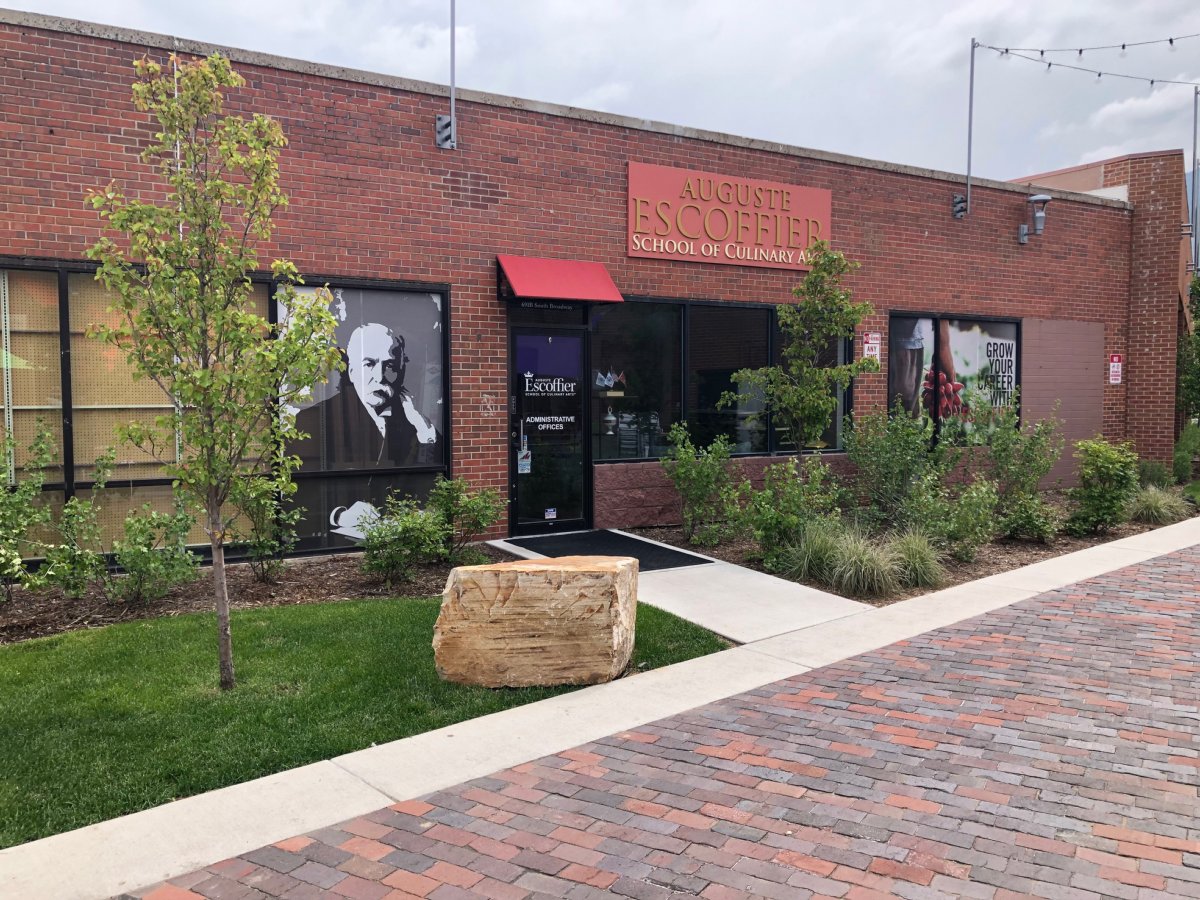
After College
Source: College Scorecard / U.S. Department of Education
- Median Earnings (10 years)
- $32,001
- Median Earnings (5 years)
- $33,458
- Loan Repayment Rate
- 62.0%
- Monthly Loan Payment
- $102/mo
- Median Debt at Graduation
- $9,653
Frequently Asked Questions
How much does Auguste Escoffier School of Culinary Arts-Boulder cost after financial aid?
The average net price is $12,193 per year, with costs ranging from $11,578 for low-income students to $16,195 for high-income families. About 48% of students receive federal Pell Grants, making this culinary education accessible to working-class students pursuing professional chef training.
What is the graduation rate at Auguste Escoffier School of Culinary Arts-Boulder?
The six-year graduation rate is 46%, which reflects the intensive nature of professional culinary training. Students dive into hands-on kitchen experience and farm-to-table education that prepares them for demanding restaurant careers.
How much do Auguste Escoffier School of Culinary Arts-Boulder graduates earn?
Graduates earn a median of $32,001 ten years after enrollment, with an 87% employment rate in the culinary field. The school's focus on professional kitchen skills and farm-to-table techniques helps graduates find work in Boulder's thriving restaurant scene and beyond.
What is the student-faculty ratio at Auguste Escoffier School of Culinary Arts-Boulder?
The student-faculty ratio is 49:1, reflecting the school's large enrollment of 8,571 students. Despite the high ratio, the program emphasizes hands-on learning in professional kitchen environments where students gain real-world culinary experience.
Where do Auguste Escoffier School of Culinary Arts-Boulder students come from?
Only 5% of students are from Colorado, with 95% coming from out of state to study culinary arts in Boulder. The student body is 72% women and diverse, with 38% Black students and 34% white students pursuing professional chef training.
Does Auguste Escoffier School of Culinary Arts-Boulder offer good financial aid?
About 24% of students receive institutional grants averaging $3,365, while 53% take federal loans. With median debt of just $9,653 and monthly payments of $102, the school keeps borrowing manageable for students entering the culinary profession.