

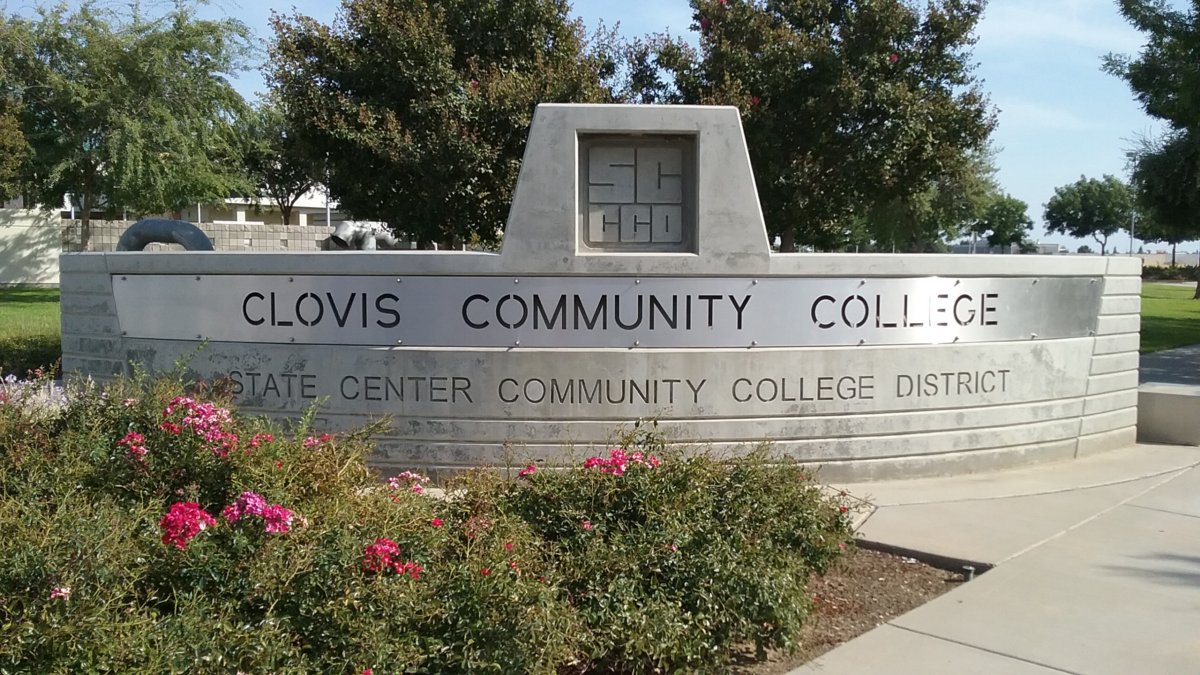
About Clovis Community College
The financial picture favors students from working families. Students from households earning under $30,000 pay a net price of $5,041 after aid, while those from families earning $30,000-$48,000 pay $6,463. In-state tuition starts at just $1,334, though only 7.44% of students receive institutional grants averaging $4,505. The low federal loan rate of 0.09% suggests most students avoid borrowing, relying instead on affordability and family support.
The student body reflects the Central Valley's demographics, with 49.82% Hispanic students and 28.04% white students creating a diverse learning environment. Women make up 56.65% of enrollment. The college fields eight varsity sports with 103 total athletes, though no athletic scholarships are available. The 28:1 student-faculty ratio means larger class sizes, typical for community colleges focused on accessibility over intimacy.
Academics & Faculty
Source: College Scorecard / U.S. Department of Education
- Student-to-Faculty Ratio
- 28:1
- Full-Time Faculty
- 38.6%
- Graduation Rate (6-year)
- 39.6%
Campus Life
Campus life centers around the academic day rather than weekend activities. The 28:1 student-faculty ratio means larger classes, but also lower costs - in-state tuition runs just $1,334 annually. Students often work part-time jobs in agriculture, healthcare, or retail while attending classes. The college fields eight varsity sports with 103 total athletes competing as independents. Most students head home or to work after classes, though some gather in the student center or library. Founded in 2007, the college still feels new compared to other California community colleges that date back decades.
- Setting
- City-Large
- Calendar System
- Semester
- Founded
- 2007
Campus Safety (2023)
6 total reported incidents. Source: Clery Act / U.S. Department of Education
| Offense | On Campus | Residential | Noncampus | Public Property |
|---|---|---|---|---|
| Burglary | 2 | 0 | 0 | 0 |
| Arson | 1 | 0 | 0 | 0 |
| Dating Violence | 1 | 0 | 0 | 0 |
| Rape | 1 | 0 | 0 | 0 |
| Stalking | 1 | 0 | 0 | 0 |
Climate & Weather
- January Avg
- 40°–55°F
- July Avg
- 69°–97°F
- Annual Precipitation
- 11.0"
- Annual Snowfall
- 0.0"
Student Demographics
- Men
- 43.4%
- Women
- 56.7%
- White
- 28.0%
- Black
- 3.5%
- Hispanic
- 49.8%
- Asian
- 12.9%
- In-State Students
- 96.6%
- Pell Grant Recipients
- 20.4%
Location
- Address
- Fresno, California 93730
After College
Source: College Scorecard / U.S. Department of Education
Frequently Asked Questions
What are the admission requirements at Clovis Community College?
Clovis Community College maintains an open admission policy typical of California community colleges. The school enrolls 6,759 students and serves as a gateway for students seeking affordable higher education or transfer preparation. Most students come from the Central Valley region, with 96.58% of enrollment from California residents.
How much does Clovis Community College cost after financial aid?
Students pay an average net price of $7,118 annually at Clovis Community College. In-state tuition costs just $1,334, making it highly accessible for local families. Students from families earning under $30,000 pay only $5,041 net price, reflecting the college's mission to serve working-class communities in the Fresno area.
What is the student-faculty ratio at Clovis Community College?
The student-faculty ratio stands at 28:1, which is typical for large community colleges in California. Classes tend to be larger than at four-year institutions, but the college focuses on practical workforce training and transfer preparation. Faculty emphasize hands-on learning and career readiness for the diverse student body.
What is the graduation rate at Clovis Community College?
The six-year graduation rate reaches 39.60%, which reflects the college's role as both a transfer stepping stone and career training center. Many students attend part-time while working or transfer before completing their associate degrees. The college serves a predominantly Hispanic student population at 49.82%, supporting first-generation college students in the Central Valley.
Where is Clovis Community College located and what is campus life like?
The college operates in Fresno, California's large urban setting in the heart of the Central Valley. With 103 student athletes competing in 8 varsity sports as an independent program, athletic opportunities exist but remain modest. The campus serves a commuter population where 56.65% of students are women, reflecting its focus on practical education over traditional residential college life.
How new is Clovis Community College compared to other schools?
Founded in 2007, Clovis Community College ranks among California's newest community colleges. The college was established to meet growing educational demands in the rapidly expanding Clovis-Fresno area. Only 20.43% of students receive Pell Grants, suggesting the college serves both low-income students seeking affordability and middle-class families wanting local options.
Similar Schools



College Planning Guides
About This Data
Statistics on this page come from the U.S. Department of Education’s College Scorecard and IPEDS (2023–24 data year), with climate normals from NOAA and campus safety figures from Clery Act reports. CampusGuide does not estimate or adjust reported figures. Read our full methodology.