About Columbia University in the City of New York
Despite a sticker price exceeding $87,000, most students pay far less through Columbia's generous aid programs. The average net price drops to $20,148, with families earning under $30,000 paying just $6,342. Graduates earn a median of $102,491 ten years after graduation, making the typical debt load of $21,500 manageable. Monthly loan payments average $228, while the strong alumni network helps achieve a 90.7% employment rate.
The 6:1 student-faculty ratio creates an intimate learning environment unusual for a research university. Nearly 23% of students receive Pell Grants, reflecting Columbia's commitment to economic diversity. The Lions compete in 27 Division I sports, though academics clearly take priority with a 97.18% retention rate and 95% of students graduating within four years.
Academics & Faculty
Source: College Scorecard / U.S. Department of Education
- Student-to-Faculty Ratio
- 6:1
- Full-Time Faculty
- 42.3%
- Graduation Rate (4-year)
- 95.1%
- Graduation Rate (6-year)
- 95.0%
- Retention Rate
- 97.2%
- Median Earnings (10 years)
- $102,491
- Carnegie Classification
- Doctoral University (R1)
Popular Programs by Earnings
| Program | Level | Median Earnings |
|---|---|---|
| Advanced/Graduate Dentistry and Oral Sciences. | Master | $192,188 |
| Law. | Doctoral | $180,752 |
| Business Administration, Management and Operations. | Master | $170,426 |
| Management Information Systems and Services. | Master | $160,605 |
| Advanced/Graduate Dentistry and Oral Sciences. | Certificate | $144,240 |
| Computer Science. | Master | $143,033 |
| Registered Nursing, Nursing Administration, Nursing Research and Clinical Nursing. | Doctoral | $127,993 |
| Operations Research. | Master | $114,503 |
| Construction Management. | Master | $110,878 |
| Registered Nursing, Nursing Administration, Nursing Research and Clinical Nursing. | Master | $109,659 |
Campus Life
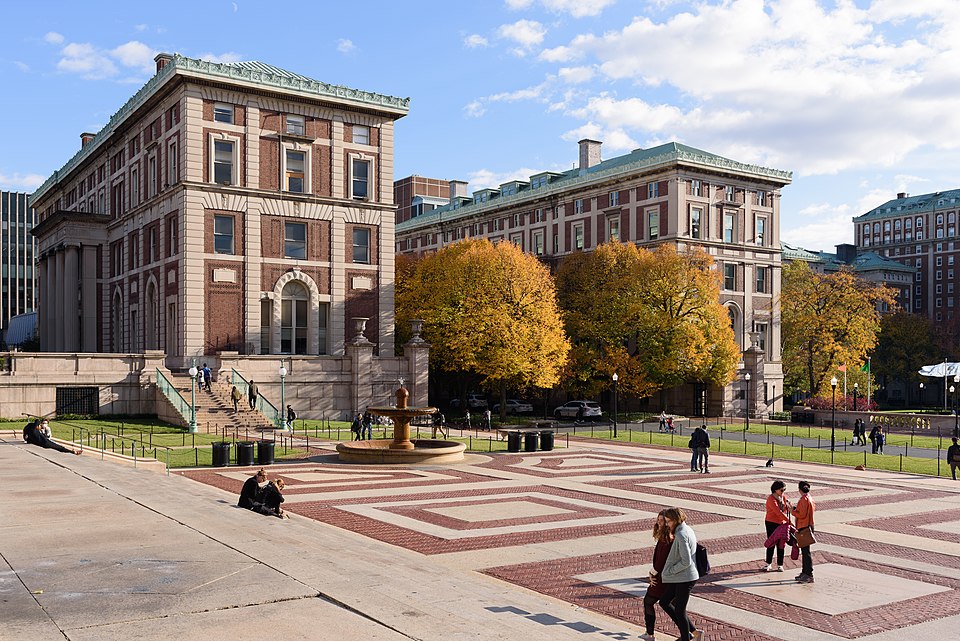
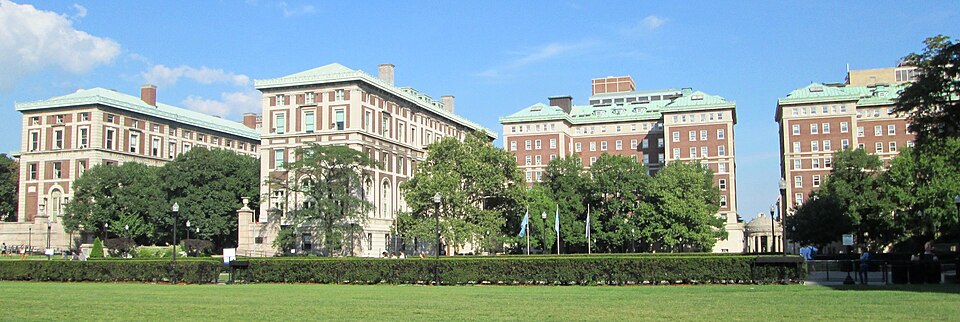
The Core Curriculum means you'll share intellectual experiences with all 8,899 students, from Literature Humanities to Contemporary Civilization. Students often study in the 24-hour Butler Library or grab coffee at nearby cafes on Broadway. Weekend options range from exploring strong museums to Central Park, just a few blocks north. The low 6:1 student-faculty ratio means professors actually know your name, even at this research powerhouse. Greek life exists but doesn't dominate social life like at other Ivies. Many students intern at Wall Street firms, media companies, or UN headquarters during the academic year, taking advantage of Columbia's unmatched urban location.
- Setting
- City-Large
- Housing Capacity
- 13,284 beds
- Calendar System
- Semester
- Study Abroad
- Available
Campus Safety (2023)
253 total reported incidents. Source: Clery Act / U.S. Department of Education
| Offense | On Campus | Residential | Noncampus | Public Property |
|---|---|---|---|---|
| Burglary | 37 | 33 | 0 | 0 |
| Motor Vehicle Theft | 4 | 0 | 0 | 32 |
| Stalking | 20 | 6 | 1 | 0 |
| Dating Violence | 19 | 6 | 0 | 0 |
| Rape | 11 | 11 | 0 | 0 |
| Robbery | 1 | 1 | 0 | 20 |
| Fondling | 10 | 3 | 0 | 8 |
| Domestic Violence | 10 | 5 | 0 | 1 |
| Aggravated Assault | 5 | 1 | 0 | 6 |
| Arson | 1 | 1 | 0 | 0 |
Climate & Weather
- January Avg
- 27°–39°F
- July Avg
- 70°–84°F
- Annual Precipitation
- 49.5"
- Annual Snowfall
- 29.8"
Student Demographics
- Men
- 50.5%
- Women
- 49.5%
- White
- 29.9%
- Black
- 7.8%
- Hispanic
- 16.3%
- Asian
- 18.4%
- In-State Students
- 17.2%
- Pell Grant Recipients
- 22.5%
Location
- Address
- New York, New York 10027
After College
Source: College Scorecard / U.S. Department of Education
- Median Earnings (10 years)
- $102,491
- Median Earnings (5 years)
- $112,647
- Mean Earnings (6 years after entry)
- $77,900
- Loan Repayment Rate
- 76.1%
- Monthly Loan Payment
- $228/mo
- Median Debt at Graduation
- $21,500
Frequently Asked Questions
What is the acceptance rate at Columbia University in the City of New York?
Columbia accepts just 3.95% of applicants, making it one of the most selective universities in the country. The middle 50% of admitted students score between 1490 and 1580 on the SAT, reflecting the intense competition for spots at this Ivy League institution.
How much does Columbia University in the City of New York cost after financial aid?
While Columbia's total cost reaches $87,237 annually, the average net price drops to $20,148 after aid. Students from families earning under $30,000 pay just $6,342 on average, as the university meets full demonstrated need for admitted students.
What makes the academics at Columbia University in the City of New York unique?
Columbia requires all undergraduates to complete its famous Core Curriculum, ensuring every graduate shares a foundation in literature, philosophy, and science. With a 6:1 student-faculty ratio, students get personalized attention while pursuing rigorous studies at this research powerhouse.
What are the career outcomes for Columbia University in the City of New York graduates?
Columbia graduates earn a median salary of $102,491 ten years after graduation, reflecting the value of an Ivy League degree. The school maintains a 95% six-year graduation rate and 90.7% employment rate, with many alumni launching successful careers in finance, media, and public service.
Where do students live at Columbia University in the City of New York?
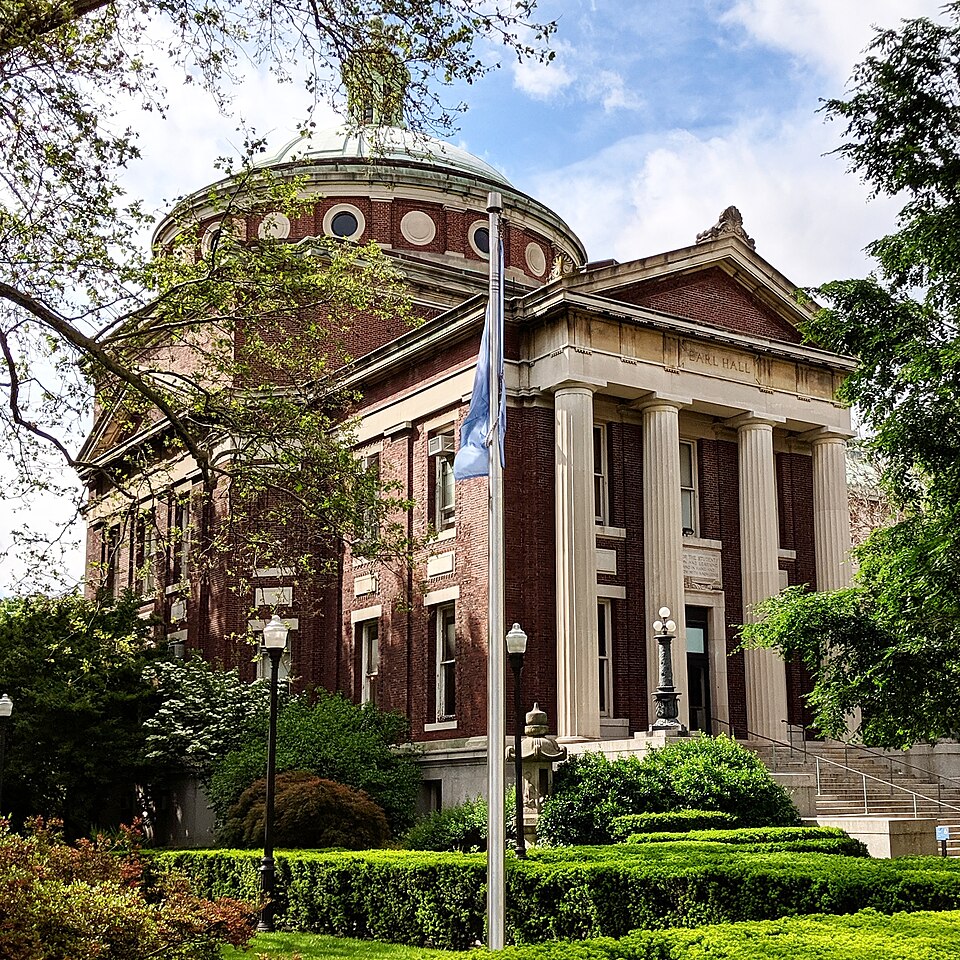
Columbia houses 13,284 students on its Manhattan campus, with most undergraduates living in residence halls. The campus sits in Morningside Heights, giving students access to both collegiate quad life and the cultural resources of New York City.
Does Columbia University in the City of New York have a strong journalism program?
Columbia's Graduate School of Journalism administers the strong Pulitzer Prize and ranks among the top journalism schools globally. The school's location in Manhattan provides unparalleled access to media internships and networking opportunities, with many graduates joining major news organizations.