

About Johnson & Wales University-Online
Academics & Faculty
Source: College Scorecard / U.S. Department of Education
- Student-to-Faculty Ratio
- 11:1
- Full-Time Faculty
- 100.0%
- Retention Rate
- 54.2%
- Median Earnings (10 years)
- $43,418
- Carnegie Classification
- Master's University (Large)
Popular Programs by Earnings
| Program | Level | Median Earnings |
|---|---|---|
| Business Administration, Management and Operations. | Master | $50,677 |
| Criminal Justice and Corrections. | Master | $39,369 |
| Business Administration, Management and Operations. | Bachelor | $37,054 |
| Hospitality Administration/Management. | Bachelor | $36,275 |
| Specialized Sales, Merchandising and Marketing Operations. | Bachelor | $35,849 |
| Parks, Recreation and Leisure Facilities Management. | Bachelor | $34,153 |
| Foods, Nutrition, and Related Services. | Bachelor | $32,707 |
Campus Life
Your daily routine revolves around logging into virtual classrooms and completing hands-on projects designed for business, hospitality, and culinary careers. The 11:1 student-faculty ratio means smaller online class sizes and more personalized attention during video conferences. With a 54% retention rate, about half of your classmates will complete their programs alongside you. Weekends might involve virtual study groups or working on industry simulations that the school emphasizes. The employment rate of 96% reflects the practical, job-ready skills you'll develop through the online curriculum. Expect to engage with classmates through discussion boards and group projects, building professional networks despite the digital format.
- Setting
- City-Midsize
- Calendar System
- Semester
Climate & Weather
- January Avg
- 22°–38°F
- July Avg
- 65°–83°F
- Annual Precipitation
- 47.5"
- Annual Snowfall
- 36.6"
Student Demographics
- Men
- 29.9%
- Women
- 70.1%
- White
- 46.9%
- Black
- 23.0%
- Hispanic
- 18.9%
- Asian
- 2.3%
- In-State Students
- 7.0%
- Pell Grant Recipients
- 35.6%
Location
- Address
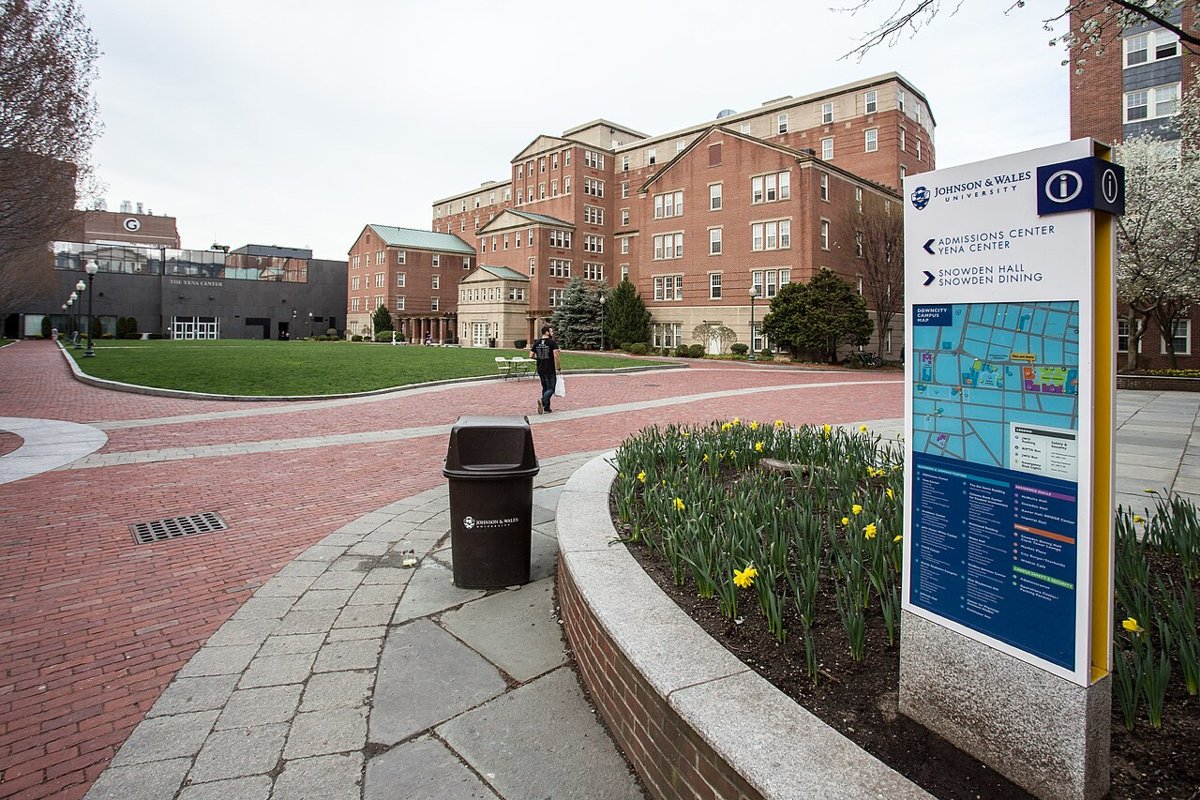
- Providence, Rhode Island 02903
After College
Source: College Scorecard / U.S. Department of Education
- Median Earnings (10 years)
- $43,418
- Median Earnings (5 years)
- $44,296
- Mean Earnings (6 years after entry)
- $33,400
- Loan Repayment Rate
- 68.0%
- Monthly Loan Payment
- $276/mo
- Median Debt at Graduation
- $26,000
Frequently Asked Questions
What is the acceptance rate at Johnson & Wales University-Online?
Johnson & Wales University-Online accepts 67.5% of applicants. The university focuses on career-oriented programs in business, hospitality, culinary arts, and technology rather than being highly selective academically.
How much does Johnson & Wales University-Online cost after financial aid?
Students pay an average net price of $21,611 annually. The school charges the same $13,365 tuition rate regardless of residency status, making it accessible for students nationwide.
What is the student-faculty ratio at Johnson & Wales University-Online?
The student-faculty ratio is 11:1 across 1,980 enrolled students. This allows for personalized attention in the university's specialized career-focused programs.
How much do Johnson & Wales University-Online graduates earn after graduation?
Alumni earn a median salary of $43,418 ten years after graduation with a 96.3% employment rate. Graduates typically carry $26,000 in student debt, resulting in monthly loan payments of $276.
Where do Johnson & Wales University-Online students come from?
Only 6.98% of students are from Rhode Island, reflecting the online format's national reach. The student body is 70.1% women and diverse, with 46.92% White, 22.98% Black, and 18.89% Hispanic students.
Is Johnson & Wales University-Online good at keeping students enrolled?
The retention rate is 54.17%, which is relatively low compared to traditional universities. This reflects challenges common to online programs, though the school's career-focused approach appeals to working adults seeking practical skills.
Similar Schools






Affordable Programs in Rhode Island
College Planning Guides
About This Data
Statistics on this page come from the U.S. Department of Education’s College Scorecard and IPEDS (2023–24 data year), with climate normals from NOAA and campus safety figures from Clery Act reports. CampusGuide does not estimate or adjust reported figures. Read our full methodology.