About Saint Cloud State University
Students pay an average net price of $14,485 after financial aid, making this one of Minnesota's more affordable four-year options. Graduates earn a median salary of $55,813 ten years after graduation, while carrying typical debt of $21,058. The financial return looks solid for students who complete their programs, though the 47% six-year graduation rate suggests many struggle to finish.
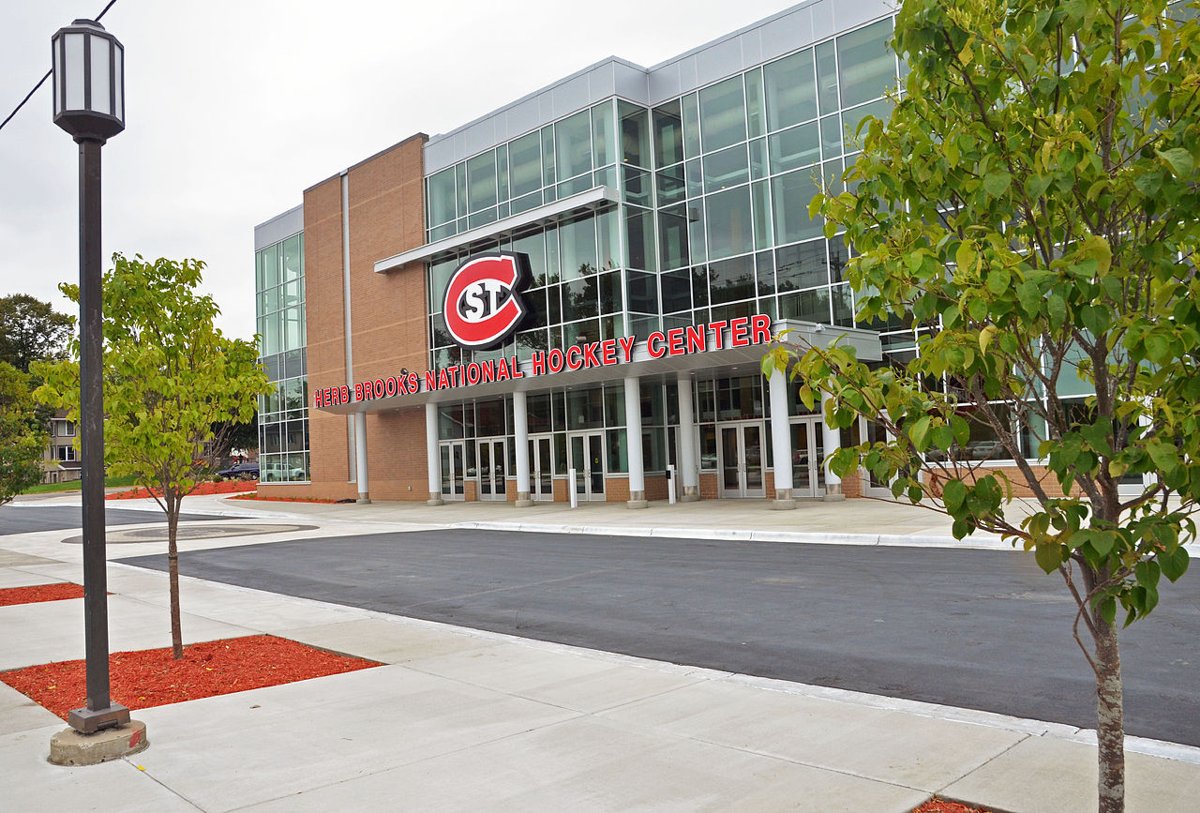
The student body reflects Minnesota's changing demographics, with 61% white students and significant Black and Hispanic populations. About 87% of students come from in-state, creating a strong regional community feel. The Huskies compete in NCAA Division II with 14 varsity sports programs. With 377 total athletes receiving over $2.9 million in athletic scholarships, sports provide meaningful opportunities for student involvement and financial support.
Academics & Faculty
Source: College Scorecard / U.S. Department of Education
- Student-to-Faculty Ratio
- 17:1
- Full-Time Faculty
- 61.9%
- Graduation Rate (4-year)
- 45.5%
- Graduation Rate (6-year)
- 46.9%
- Retention Rate
- 67.9%
- Median Earnings (10 years)
- $55,813
- Carnegie Classification
- Master's University (Large)
Popular Programs by Earnings
| Program | Level | Median Earnings |
|---|---|---|
| Educational Administration and Supervision. | Certificate | $80,556 |
| Business Administration, Management and Operations. | Master | $75,204 |
| Electrical, Electronics and Communications Engineering. | Bachelor | $70,009 |
| Computer Engineering. | Bachelor | $66,821 |
| Registered Nursing, Nursing Administration, Nursing Research and Clinical Nursing. | Bachelor | $66,377 |
| Manufacturing Engineering. | Bachelor | $65,387 |
| Mechanical Engineering. | Bachelor | $63,377 |
| Clinical/Medical Laboratory Science/Research and Allied Professions. | Bachelor | $62,154 |
| Computer Science. | Bachelor | $59,253 |
| Management Information Systems and Services. | Bachelor | $58,522 |
Campus Life
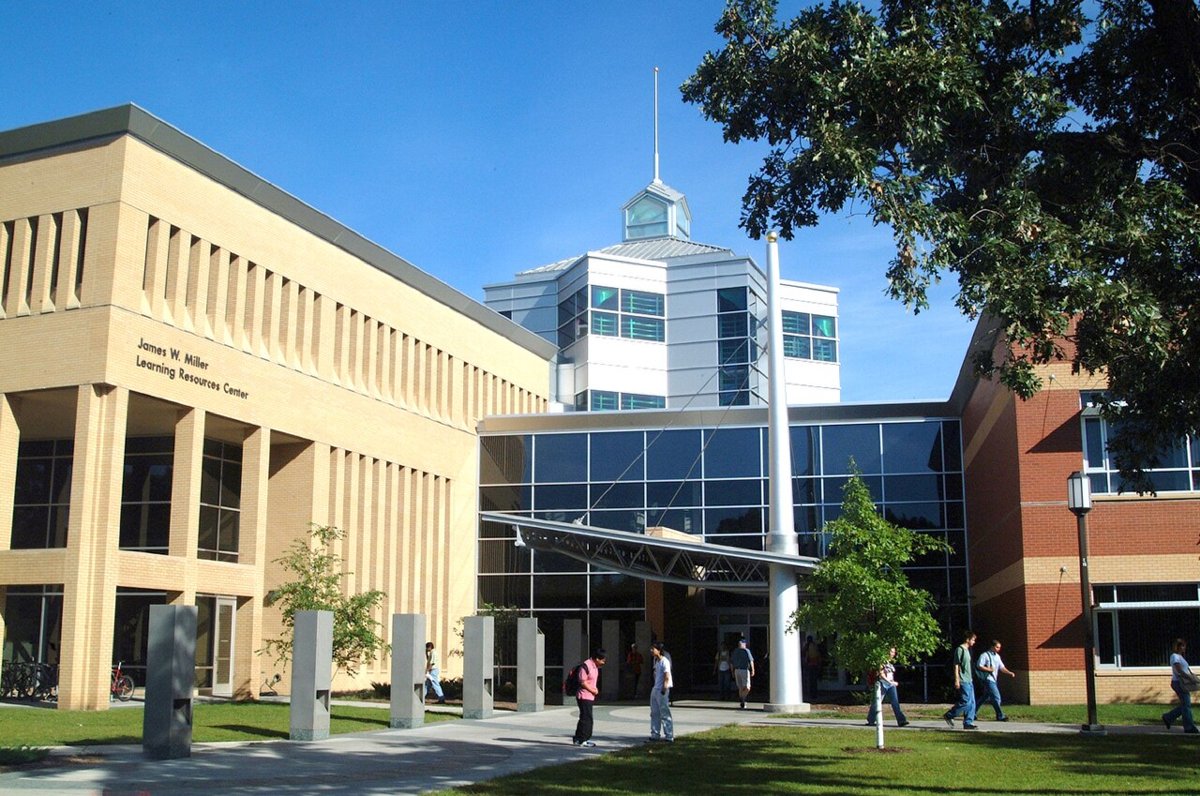
The campus spreads across both sides of the Mississippi, connected by footbridges that become wind tunnels in winter. Students often gather in Atwood Memorial Center to escape the cold and grab coffee between classes. With 86.79% of students coming from in-state, many already know each other from high school or have family connections to the area. The Huskies compete in 14 NCAA Division II sports, with hockey drawing the most passionate crowds during the brutal winter months. Students frequently make the hour drive to Minneapolis for concerts, shopping, and internships. Campus traditions include Mainstreet festivals and outdoor activities along the river when temperatures finally climb above freezing in spring.
- Setting
- City-Small
- Housing Capacity
- 1,116 beds
- Calendar System
- Semester
- Study Abroad
- Available
Campus Safety (2023)
8 total reported incidents. Source: Clery Act / U.S. Department of Education
| Offense | On Campus | Residential | Noncampus | Public Property |
|---|---|---|---|---|
| Stalking | 2 | 2 | 0 | 0 |
| Dating Violence | 1 | 1 | 0 | 0 |
| Rape | 1 | 1 | 0 | 0 |
Climate & Weather
- January Avg
- 1°–21°F
- July Avg
- 58°–82°F
- Annual Precipitation
- 27.7"
- Annual Snowfall
- -1,509.7"
Student Demographics
- Men
- 47.2%
- Women
- 52.8%
- White
- 60.9%
- Black
- 12.7%
- Hispanic
- 5.5%
- Asian
- 4.3%
- In-State Students
- 86.8%
- Pell Grant Recipients
- 20.3%
Location
- Address
- Saint Cloud, Minnesota 56301-4498
After College
Source: College Scorecard / U.S. Department of Education
- Median Earnings (10 years)
- $55,813
- Median Earnings (5 years)
- $58,575
- Mean Earnings (6 years after entry)
- $38,000
- Loan Repayment Rate
- 66.2%
- Monthly Loan Payment
- $223/mo
- Median Debt at Graduation
- $21,058
Frequently Asked Questions
What is the acceptance rate at Saint Cloud State University?
Saint Cloud State University accepts 95.28% of applicants, making it highly accessible to students across Minnesota. The middle 50% of admitted students score between 1027-1200 on the SAT. This open admission approach aligns with the university's mission to serve first-generation college students and provide educational opportunities throughout central Minnesota.
How much does Saint Cloud State University cost after financial aid?
Students pay an average net price of $14,485 annually at Saint Cloud State University. Low-income families earning under $30,000 pay just $9,772 after aid, while those earning $75,000-$110,000 pay $17,908. The university keeps costs reasonable with identical in-state and out-of-state tuition of $10,117.
What academic programs is Saint Cloud State University known for?
Saint Cloud State University built its reputation on teacher education and business programs, serving as a regional comprehensive university. With a 17:1 student-faculty ratio among its 5,181 students, the university focuses on practical career preparation. The school particularly excels at supporting first-generation college students in central Minnesota.
What are the graduation and employment outcomes at Saint Cloud State University?
Saint Cloud State University graduates 46.90% of students within six years, with a strong 97.3% employment rate after graduation. Alumni earn a median salary of $55,813 ten years after graduation with manageable debt of $21,058. Monthly loan payments average just $223, making the investment accessible for working-class families.
Where is Saint Cloud State University located and what is campus life like?
Saint Cloud State University sits in the small city of Saint Cloud, Minnesota, with 86.79% of its students coming from in-state. The campus houses 1,116 students in residence halls, creating a close-knit community atmosphere. The Huskies compete in 14 NCAA Division II sports with 377 total athletes receiving $2.9 million in athletic scholarships.
Does Saint Cloud State University serve a diverse student population?
Saint Cloud State University enrolls a diverse student body for Minnesota, with 60.93% white students and significant Black (12.68%) and Hispanic (5.54%) populations. The university serves as an access point for underrepresented students, with 20.30% receiving Pell Grants. This diversity reflects the school's commitment to educational opportunity regardless of background.